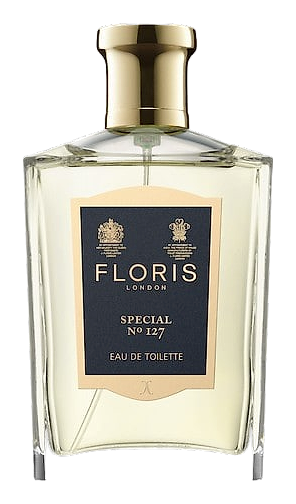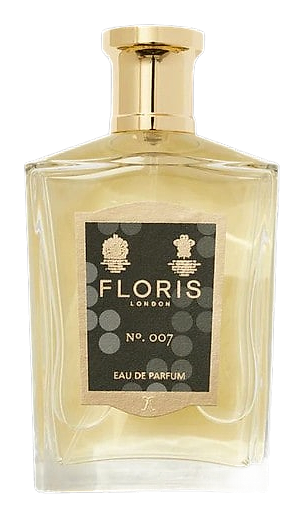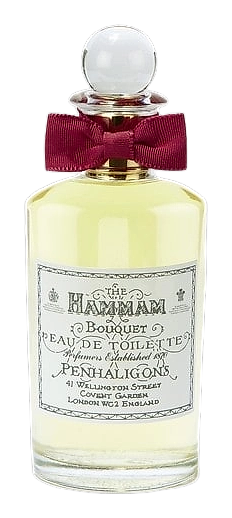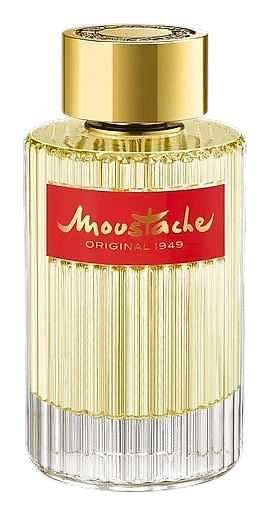
The Story
Why it exists.
The beginning
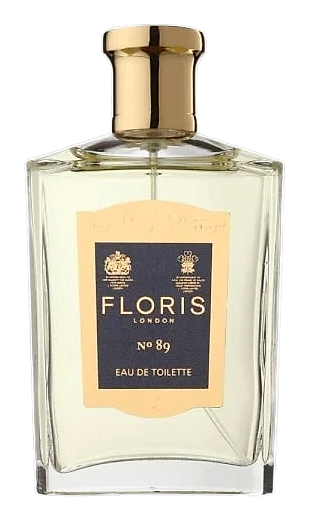
No. 89 takes its name from the address that made Floris. 89 Jermyn Street, London, where the house has operated since 1730, nearly three centuries of continuous perfumery from the same front door. The fragrance arrived in 1951, a classic men's cologne built for a post-war world that still valued discretion and detail. Named for the address, yes, but also for the sensibility it represented: English elegance without performance, refinement without explanation.
The structure is deliberately restrained. Six top notes, lavender leading, citrus brightening, petitgrain grounding, that could easily overwhelm each other. Instead, they take turns. The heart of rose and geranium is where it becomes unmistakably British: powdery, traditional, the olfactory equivalent of a pressed shirt. The woody base doesn't compete. It lingers. Oakmoss, sandalwood, cedar, vetiver, the drydown is essentially expensive soap that doesn't apologize for being soap.
The evolution
The opening hits sharp. Lavender and citrus, bright and almost medicinal for the first few minutes. Then the petitgrain settles it, green, bitter, convincing. The transition to heart is where most people make up their mind: rose and geranium arrive together, powdery and old-fashioned, the kind of floral that reads as gentlemanly rather than feminine. On some skin, this phase lasts longer than expected. The drydown is the destination. Oakmoss, cedar, vetiver, and a whisper of musk create that classic English barbershop character, close to skin, present for hours, gone by morning but not forgotten.
Cultural impact
No. 89 occupies a specific and shrinking category: the classic men's cologne that has never tried to be anything other than what it was in 1951. It's been referenced in Bond novels, worn by diplomats, and chosen by men who want scent to be noticed only if someone gets close enough. The fragrance doesn't speak to trends because it predates them. What it offers instead is continuity, a smell that has meant the same thing for seven decades: quiet confidence, English refinement, the luxury of not needing to perform.