
The Story
Why it exists.
The beginning
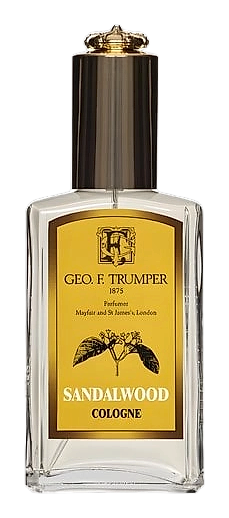
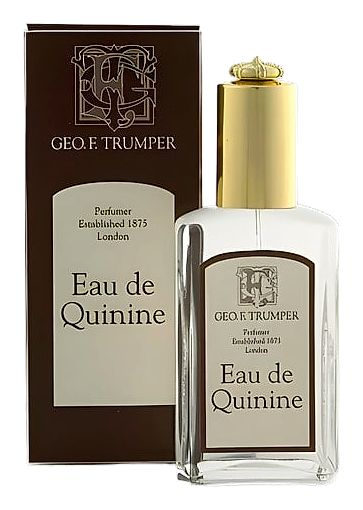
Geo. F. Trumper introduced Eau de Quinine in 1898, a time when a gentleman's fragrance needed to earn its place in the rotation. The house had spent nearly three decades perfecting the art of the unobtrusive scent, something that worked alongside a shave, a suit, a morning walk, not against them. Quinine was the brief and the challenge. It's bitter by nature, medicinal in association. Most perfumers would have softened it into irrelevance. Trumper leaned in. The result is an aromatic fougere built on tension: rosemary's bracing green against bergamot's citrus brightness, with quinine's bitter backbone holding the whole thing together.
What makes the composition interesting is that botanical bitterness. Quinine, the same alkaloid that gives tonic water its signature bite, isn't a traditional perfumery material. It's angular, almost harsh in isolation. But here it's been married to rosemary's herbal clarity and bergamot's measured sweetness. The result is a fragrance that smells green without being aquatic, citrus without being fresh-cut. The powdery undertone in the drydown comes from the green notes settling into something softer, almost talc-like, as the sharper top notes fade. It's restrained by design, no single element dominates, no transition feels forced.
The evolution
The opening hits like crushed rosemary leaves, green, slightly camphoraceous, immediate. Bergamot arrives within minutes, brightening the herbs without sweetening them. The quinine doesn't announce itself loudly; it's the bitter undertone that keeps the citrus honest. By the second hour, the fragrance has settled into its heart: a warm, dry herbal note that smells like the memory of a garden rather than the garden itself. The sillage drops to intimate, present to anyone close, forgotten by the rest of the room. Hours four through six bring the drydown: green herbs and quinine merging into something faintly woody, like old paper or pressed leaves. The next morning, a faint trace clings to skin and fabric, not projection, just a quiet reminder.
Cultural impact
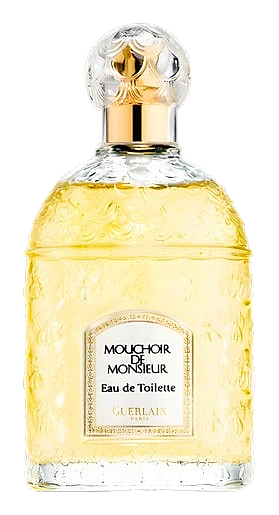
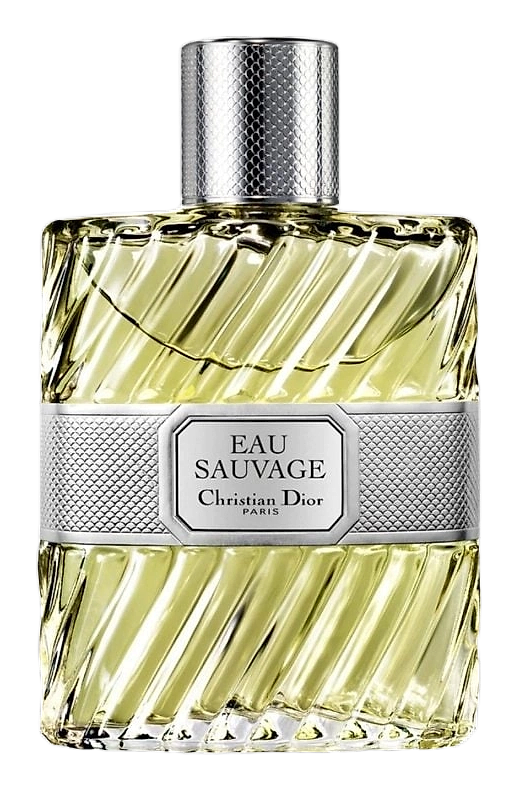
Eau de Quinine sits comfortably in the aromatic fougere tradition, the same family that gave the world Guerlain Mouchoir de Monsieur and Dior Eau Sauvage. It's less polished than either, which is part of its appeal. The quinine gives it an unusual edge within the genre: bitter rather than sweet, herbal rather than citrus-clean. It's the kind of fragrance that attracts men who've already tried the obvious choices and want something with more character. A quiet reference point within its category.