The Story
Why it exists.
The beginning
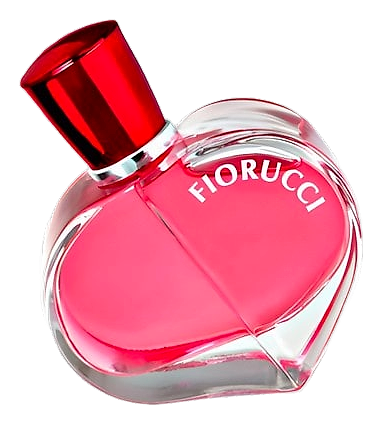
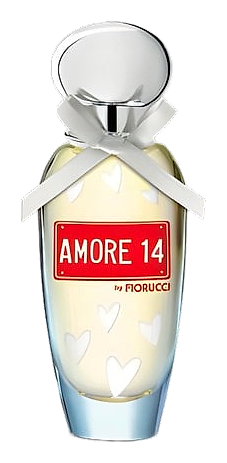
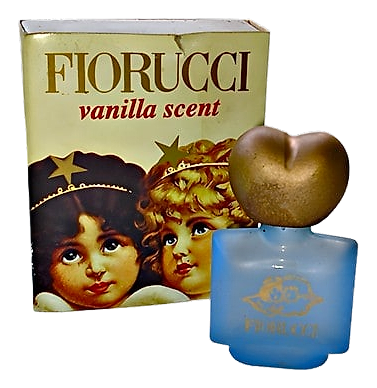
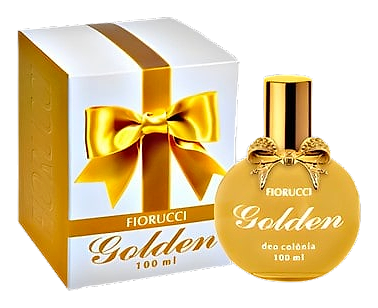
Golden arrived in 2012 as part of Fiorucci's ongoing experiment in making fragrance feel like something you could wear without ceremony. The house had spent over a decade by then treating scent as an extension of its visual language, bright, accessible, meant to be shared rather than analyzed. Golden's brief, if you can call it that, seems to have been simpler than most: build a fruity floral that actually smells like something happens to skin, not a mood board. The result is a composition that leads with brightness but refuses to stay there, letting warmth arrive on its own terms.
The note structure is where it earns attention, or at least where it stops being generic. Bergamot opens clean, but Brazilian rosewood and Ceylonese cinnamon arrive faster than expected, adding a woodsy warmth that keeps the top notes from reading as purely decorative. The heart is generous: jasmine, ylang-ylang, hyacinth, and geranium in the same composition, which could easily collapse into perfume-perfume. Instead, blackcurrant and green apple pull everything toward something slightly tart, slightly green, keeping the florals honest. It's not a daring structure, but it's a composed one, every layer doing exactly what it should.
The evolution
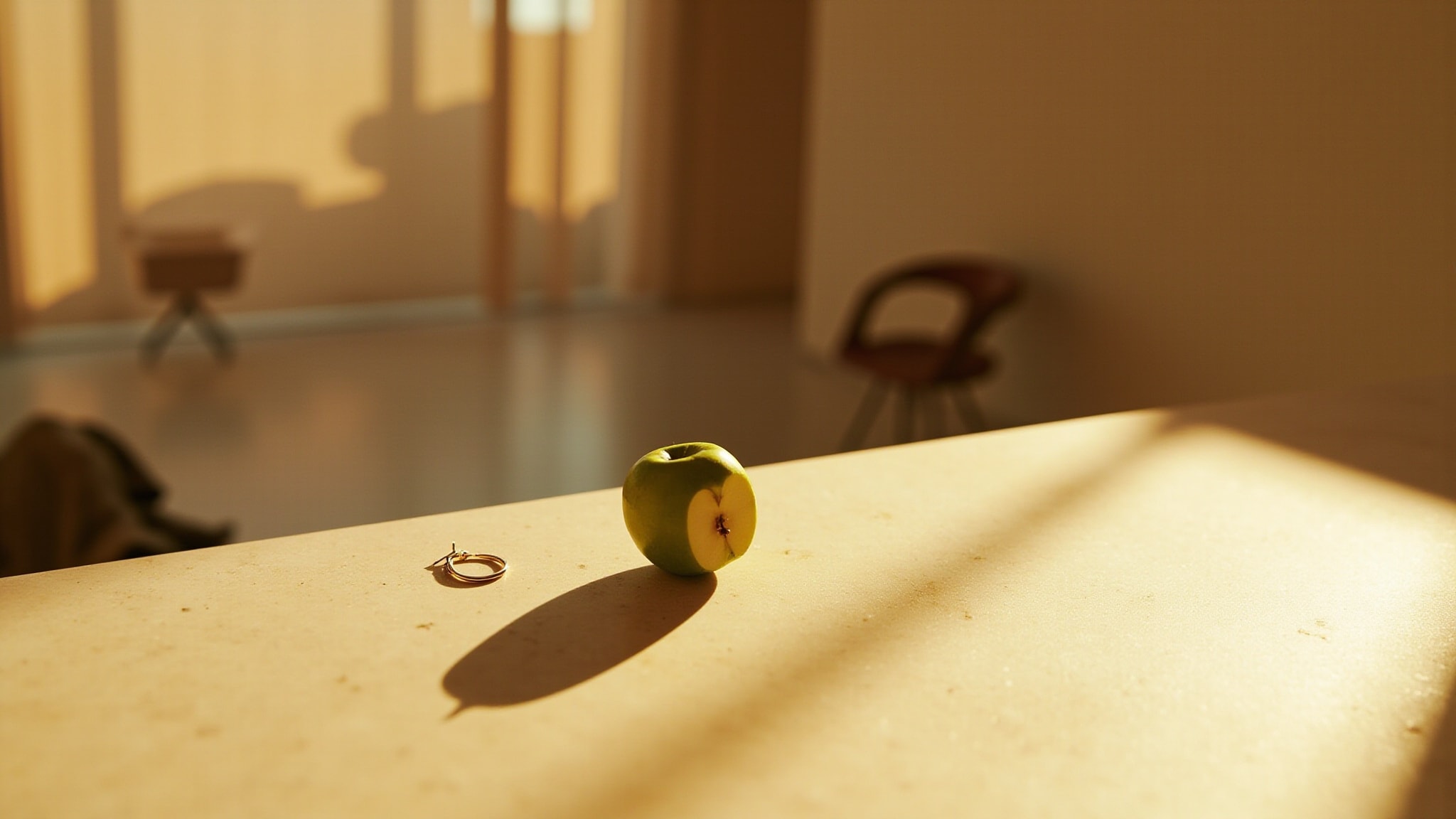
The opening is citrus-bright for maybe twenty minutes. Bergamot does its job, green apple keeps things crisp, and then cardamom-cinnamon start their slow takeover. By the time you hit the first hour, the florals are fully in charge, jasmine and rose sharing space with geranium, the blackcurrant adding a berry shadow that stops it from getting too pretty. The drydown is where the name makes sense. Sandalwood and musk warm the skin like afternoon light. Peach and yellow plum add a softness that doesn't read as sweet, more like the memory of something sweet. On fabric, it lingers past six hours. On skin, closer to five. Either way, it leaves quietly, the way a good afternoon always does.
Cultural impact
Golden sits in the accessible corner of fruity-floral, the kind of fragrance that gets recommended because it works, not because it challenges. The 2012 launch date places it in a moment when the market was saturated with exactly this profile, but Fiorucci's pop-culture positioning gave it a different context. This was fragrance as an accessory, not a statement. Wearers describe it as the kind of scent that shows up, does its job, and leaves without making demands.