The Story
Why it exists.
The beginning
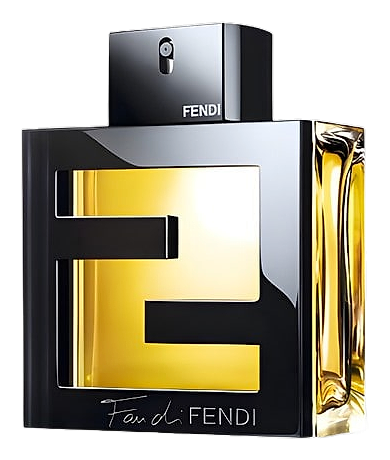
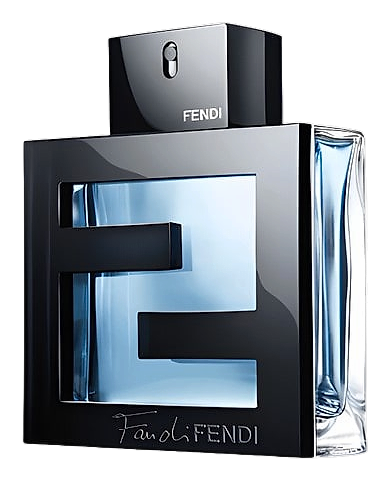
Fan di Fendi pour Homme Acqua arrived in 2013 as a summer companion to the original Fan di Fendi pour Homme, launched the year before. Fendi worked with François Demachy, Delphine Lebeau and Benoist Lapouza to capture something specific: the open-air feeling of the Italian coast, that bluish light between sea and sky, the freedom of Mediterranean seascapes. Where the original aimed for signature presence, this version pursued spontaneity. The brief was Mediterranean freshness with enough substance to last past sunset.
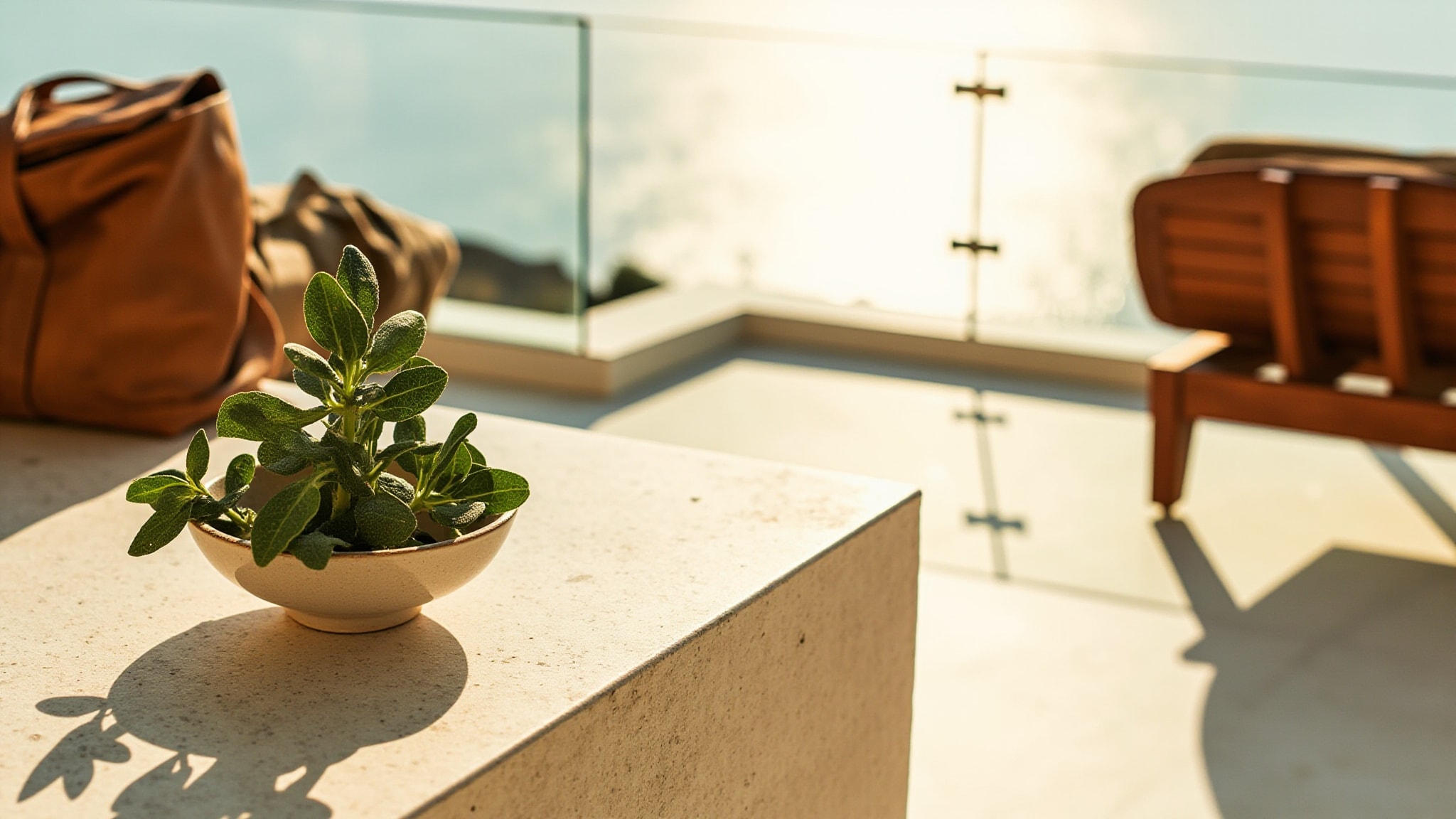
The composition layers sea notes with Italian citrus, bergamot and lemon, with lavender for aromatic depth. Pink pepper from La Réunion, cardamom, basil and sage form an herbal heart that moves beyond typical aquatic territory. The leather, cedar and musk base is what sets this apart. Most aquatics smell good for an hour and vanish. This one builds into something warmer as the day progresses, with leather providing the foundation that the freshness can lean against.
The evolution
The opening hits immediately with sea salt and citrus, bergamot, Italian lemon, a whisper of lavender. It smells like the coast before the crowds arrive. Twenty minutes in, the heart begins its shift. Pink pepper and cardamom add warmth while basil and sage introduce an herbal quality that feels intentional, not decorative. The sea notes recede but don't disappear. By the time you reach the base, leather has taken over. Cedar grounds it. Musk keeps it close to the skin. The drydown is intimate, present without projecting. Six to eight hours later, the leather remains. It's the kind of fragrance that doesn't announce itself but gets noticed anyway.
Cultural impact
The 2013 Fan di Fendi pour Homme Acqua brought Mediterranean character to a masculine fragrance audience at a time when aquatics dominated summer launches. Fendi's approach, treating heritage and provenance as creative material, translated into a scent that felt Italian rather than generic. Mark Ronson fronted the campaign, reinforcing the spontaneous, open-air positioning.