
The Story
Why it exists.
The beginning
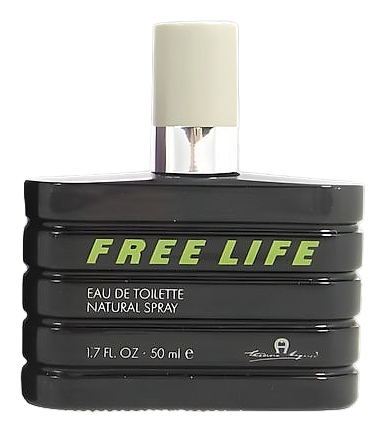
Free Life by Etienne Aigner carries a name that says everything: freedom not as conquest, not as escape, but as the quiet ability to exist without apology. The brief was straightforward enough, to build a fragrance around that idea. The answer sits in the note structure itself. Herbal top notes arrive clean and depart clean. A heart softens without losing its backbone. A base lingers the way a good impression does, present long after the conversation ended, never loud about it. This is a scent built on the idea that freedom isn't about demanding attention; it's about not needing it.
The most interesting thing about Free Life's pyramid isn't any single material, it's how many strong personalities it holds without turning chaotic. Lavender is assertive. Patchouli is polarizing. Rose and jasmine are delicate. Vanilla and tonka lean sweet. On paper, that could collapse into noise. In practice, the fragrance stages its notes in sequence rather than stacking them all at once. The opening is all masculine freshness, lavender and sage cutting sharp, bergamot lifting just enough to keep things bright. By the time the florals arrive, the structure has already been set: this is a fragrance that moves, that changes, that refuses to stay in one place.
The evolution
The opening hits with the herbal clarity of 1987 masculine fragrance: lavender dominant, sage underneath, bergamot adding a brief citrus spark before the Rosewood settles into something warmer. That first 20 minutes is the most assertive the fragrance ever gets. Then the florals take over. Rose opens first, unexpectedly soft for an aromatic opening, and jasmine follows, adding body without sweetness. Lily of the Valley does the quiet work: it bridges the gap between the assertive top and the warm base, making the transition feel inevitable rather than dramatic. By the second hour, sandalwood and vanilla are in control. The drydown is powdery, warm, and long-lasting, 8 to 10 hours on most skin types. The tonka bean smooths the edges of the patchouli that lingers underneath, keeping everything grounded without going earthy. On fabric, the vanilla and sandalwood stay close, almost intimate. This is a fragrance that marks you without announcing it.
Cultural impact
Free Life fits squarely in the tradition of late-1980s masculine aromatic-woody compositions, fragrances that dressed like their wearer: composed, self-assured, built for longevity over spectacle. The scent has outlasted many of its contemporaries, finding an audience among men who want fragrance to behave like a well-made accessory: present, appropriate, and free.