The Story
Why it exists.
The beginning
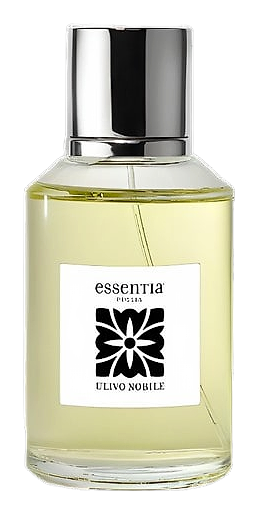
Ulivo Nobile translates, plainly enough, as noble olive, and the name does the heavy lifting before the bottle is even open. The fragrance comes from Essentia Puglia, a house rooted in the heel of Italy, where the entire creative and manufacturing process stays in Puglia. Olive cultivation is the region's backbone. Trees that have stood for centuries shape the landscape, the cuisine, and the air. Essentia Puglia built its identity around that fact. Ulivo Nobile is the expression of a specific territorial devotion, a portrait of one tree rendered in scent. Where other Mediterranean fragrances borrow olive as a note, this one builds the composition from the bark upward and lets everything else arrange itself around the wood.
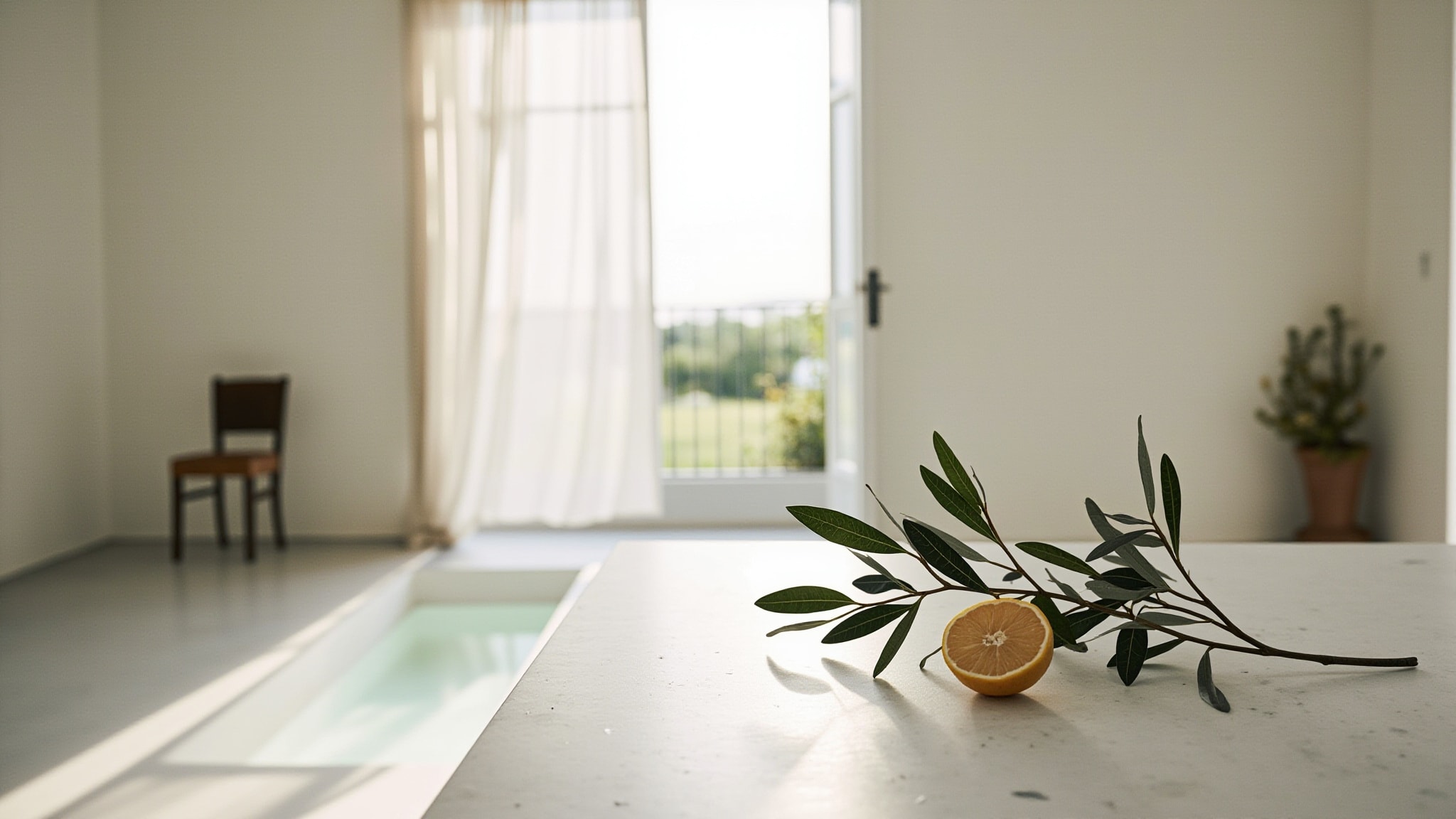
What's unusual here is structural: olive appears in all three layers, not as filler but as architecture. Olive leaf handles the green opening, olive blossom carries the heart, and olive wood anchors the base alongside patchouli and amber. This one threads the same botanical through the entire arc, giving the composition a coherence that reads as deliberate rather than accidental. Mastic adds resinous depth to the heart, a Mediterranean ingredient sharper and drier than many of its resin cousins, with a faintly herbal edge that keeps it from turning church-like.
The evolution
The first fifteen minutes belong to the green. Bergamot lifts the entry, but olive leaf is the spine, herbal and slightly bitter, the smell of just-crushed foliage before the sap dulls. Pink pepper runs underneath, a cool warmth that keeps the opening from going flat. Within thirty minutes, the sharpness recedes and mastic takes the floor, resinous and almost mineral, more structural than sweet. Olive blossom joins it, delicate and slightly creamy, closer to fig leaf than jasmine. The green doesn't vanish; it deepens, wraps around the resin until the two become inseparable. By the second hour, the composition turns woody. Olive wood dominates, dry and warm with a faint smokiness that reads more like sun-warmed bark than ash. Patchouli hums beneath it, barely there, adding depth without darkening. Amber and musk settle in for the long haul, close to the skin, soft and skin-like rather than clean.
Cultural impact
Ulivo Nobile functions less as a statement fragrance and more as a wearable landscape, the kind of green-woody composition that reads as Mediterranean without leaning on the usual coastal imagery. It captures something specific about the heel of Italy, where olive groves have shaped daily life for generations, and translates that sense of rootedness into scent. Wearers tend to describe it as the scent of someone who keeps their own counsel, close to the skin, present without volume.