The Story
Why it exists.
The beginning
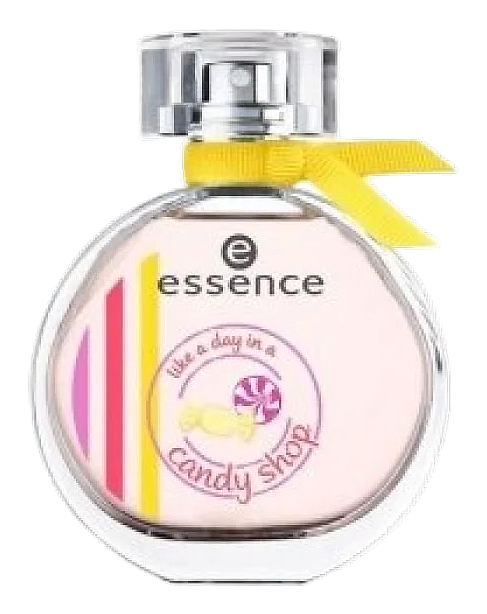
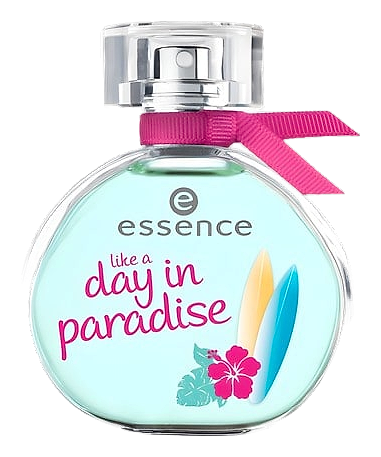
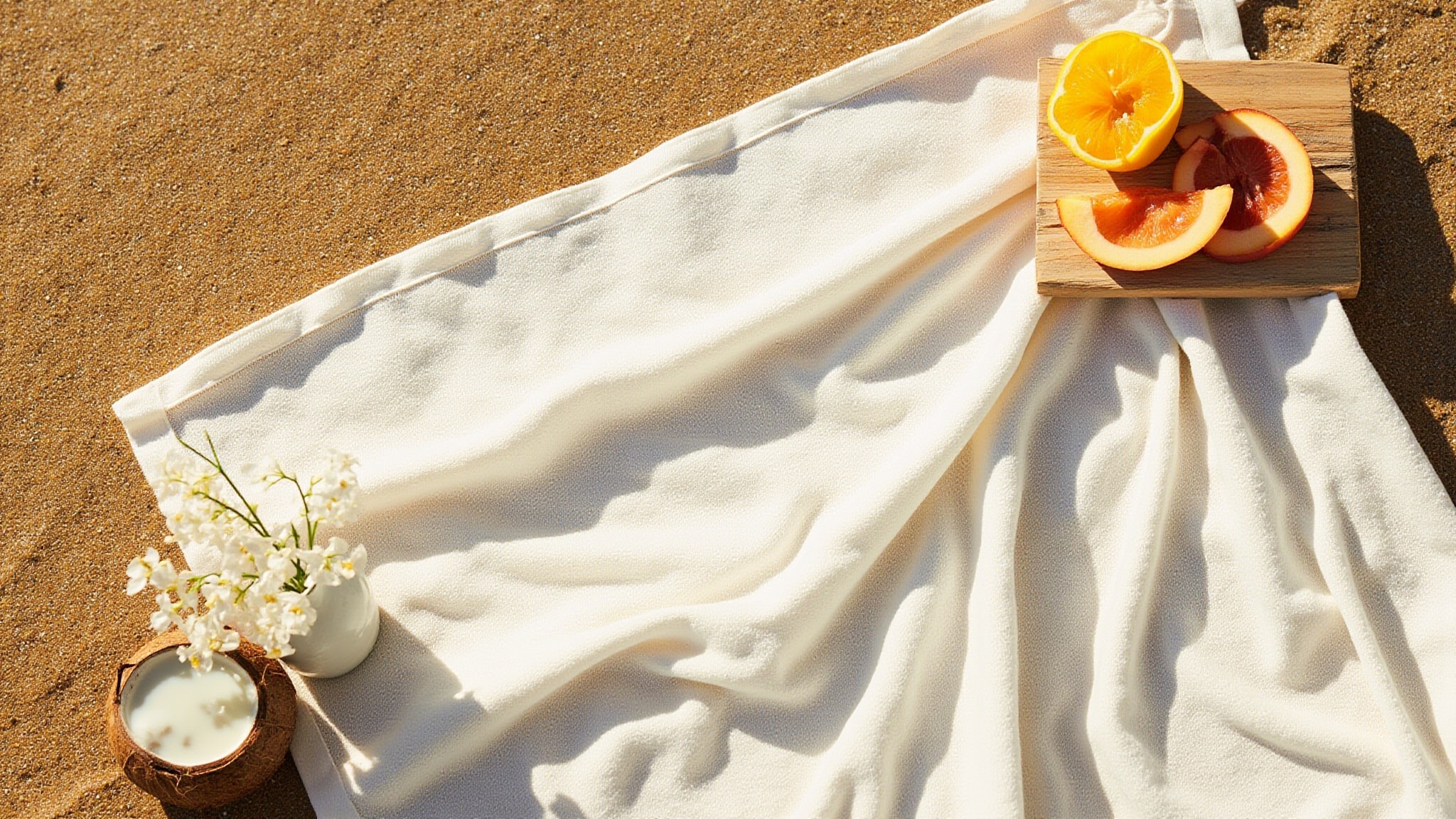
The Like A Day In Paradise story starts with a simple question: what does paradise smell like? For essence, the answer lives in the gap between a citrus morning and a coconut sunset. This fragrance joins a collection built on memory and moment, Like a Day in a Candy Shop, Like a Day at the Beach, each one a single vivid snapshot translated into scent. The 2014 release captures the transition: bright and fruity at first, then warm and creamy as the day goes on. Paradise, essence suggests, isn't a place you find. It's a day you remember.
The structure here is the whole point. A tart, green opening (rhubarb, blackcurrant) that smells like morning air, followed by a heart that softens everything into sweetness. Then the base arrives, coconut milk and vanilla, and suddenly it's afternoon, and you're warm, and you don't want to move. The freesia and magnolia bridge the two halves so seamlessly you barely notice the handoff. This is a well-constructed tropical scent: bright enough to feel fresh, sweet enough to feel like a treat, creamy enough to last.
The evolution
The opening hits fast, lemon and rhubarb arrive within seconds, bright and tart. Peach and blackcurrant follow within minutes, softening the edges. By the 30-minute mark, the florals arrive: freesia and magnolia over apple, a clean sweet transition. Then coconut milk takes over, and everything changes. The base warms, the vanilla kicks in, and you're left with a creamy, powdery tropical skin-scent. On fabric, the coconut milk lingers into the next day. On skin, 3-4 hours before it fades to a soft vanilla whisper.
Cultural impact
Like A Day In Paradise arrived during a period when drugstore fragrances were gaining credibility among fragrance enthusiasts. Essence positioned the Like a Day series as accessible storytelling, where each scent captured a specific memory or feeling rather than chasing luxury positioning. The 2014 launch coincided with the rise of beauty YouTube and budget fragrance blogging, where reviewers began seriously comparing drugstore releases to high-end designers. This fragrance contributed to the democratization of scent, showing that a 10-15 euro fragrance could deliver genuine personality and wearability. The tropical coconut-vanilla trend it embodied also reflected broader cultural nostalgia for vacation-like comfort scents during post-recession austerity years.