
The Story
Why it exists.
The beginning
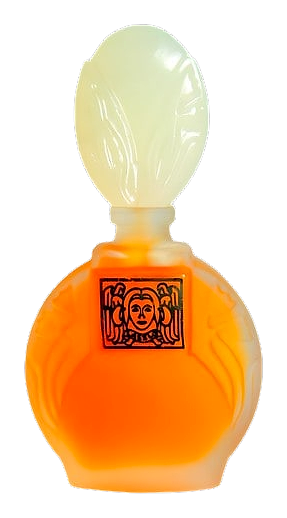
Evere arrived in 1989 as a woody-amber composition that leaned unapologetically into warmth and layering. The scent carries a kind of density that reads as deliberate rather than dated, pulling on spice, amber, and woods to build something with real architectural weight underneath the comfort. There's a richness here that settles close to the skin, the kind of warmth that doesn't announce itself so much as unfold over the course of a wearing, revealing new layers as the hours pass and the composition shifts through its stages.
What's interesting about Evere is how it treats its amber base with such structural discipline. The amber here carries resinous weight rather than any powdered softness, giving the composition a dry, almost architectural edge beneath all that warmth. Spice arrives early and refuses to behave as a background detail, cutting forward with the kind of presence that reshapes everything around it. The fruity and floral layers are shaped rather than cushioned, which keeps the whole composition from sliding into sweetness. It's the difference between amber as blanket and amber as architecture.
The evolution
Evere opens with a burst of lemon over spice and woods that feels almost like catching a whiff of someone else's cologne from across a room. Bright, sharp, and fleeting. As the citrus recedes, the composition tilts fully into its heart: amber and woody notes rising into something balsamic and floral, with a dried-fruit sweetness that never quite tips into candy. The animalic note starts breathing through after the opening fades, not dirty, not screechy, just a low, fur-lined hum beneath the amber that makes the fragrance feel closer to skin than to bottle. Eventually you arrive at something warmer and quieter, a creamy woody-amber close with a trace of spice still flickering underneath.
Cultural impact
Evere holds a particular place in the memory of those who encountered it during its initial run, an amber-leaning composition that earned attention for its dry, architectural treatment of warmth rather than its advertising presence. The fragrance reads closer to a vintage cashmere coat than to a seasonal release, carrying weight and presence without leaning on trend cycles. Its composition feels drier and more structural than many of its peers, giving it a quiet individuality that has translated into a devoted following among collectors who gravitate toward discontinued women's scents.