
The Story
Why it exists.
The beginning
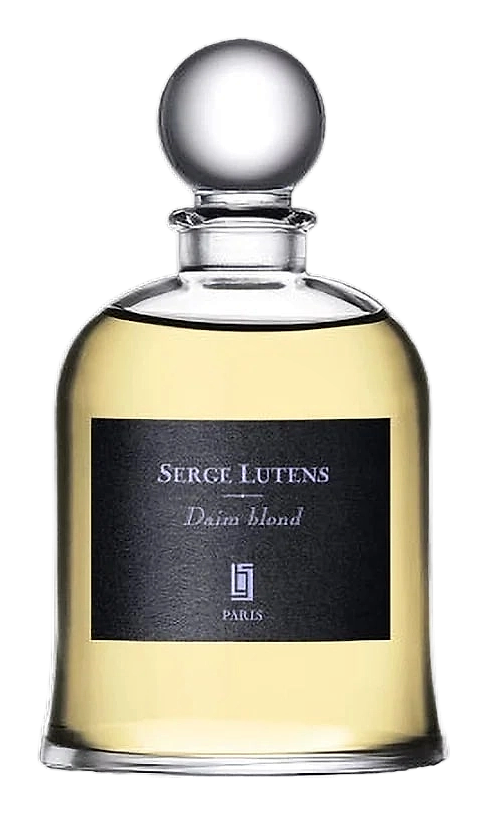
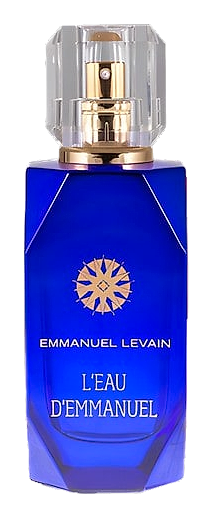
L'Eau d'Emmanuel bears a name that's hard to separate from its maker, carrying the kind of personal weight that only a self-titled composition can hold. The fragrance opens with peach and bergamot, a pairing that catches light immediately and folds inward faster than you'd expect, giving way to a layered heart of suede, osmanthus, iris, neroli, and ambergris. Each of these materials stakes a claim on the skin rather than sharing the space politely; osmanthus brings its apricot-skin softness, iris contributes a powdery coolness that steadies the fruit before it tips into preserve territory, and ambergris adds the saline warmth that makes everything around it feel lived-in. The base is where the composition settles into its real posture.
The bergamot and neroli in L'Eau d'Emmanuel earn their brightness by having real weight around them. This isn't a composition that mistakes clarity for thinness; the citrus notes have to push through suede and ambergris to reach the surface, and that struggle gives them a kind of conviction. Ambergris lends the middle a saline, skin-warm quality that keeps the composition grounded in something that reads as organic rather than constructed. Iris shows up in a register that's powdery and almost cool, steadying the fruit before it tips into jam.
The evolution
The opening of L'Eau d'Emmanuel is bright, almost cheeky. Bergamot snaps against the fuzz of ripe peach, and there's a fizzy quality that suggests a citrus eau de cologne before you've even registered the suede waiting underneath. This is the fragrance presenting one face while keeping another turned away. As the first phase settles, the fruit begins to lose its raw sweetness and the iris powder rises to meet it, a chalky coolness that steadies the composition before it can tip into preserve. The leather shows up quietly, then unmistakably. It's suede in the softest sense, the kind that carries a memory of hands and warmth rather than structure or stiffness. From there the composition lives in its middle register for a long stretch, ambergris warming the leather from below while osmanthus lends a peach-skin apricot undertone that keeps the fruit alive without sweetness.
Cultural impact
L'Eau d'Emmanuel occupies a particular corner of the leather genre, one defined by texture and skin-reading warmth rather than projection or occasion-driven wear. Wearers tend to describe it in terms of how it sits on the body: cozy, velvety, the kind of scent that announces itself to the wearer before it announces itself to anyone else. The fragrance has found an audience among collectors interested in suede compositions that handle fruit without losing their leather backbone, and it tends to surface in conversations about materials-first niche work rather than trend-driven launches.