
The Story
Why it exists.
The beginning
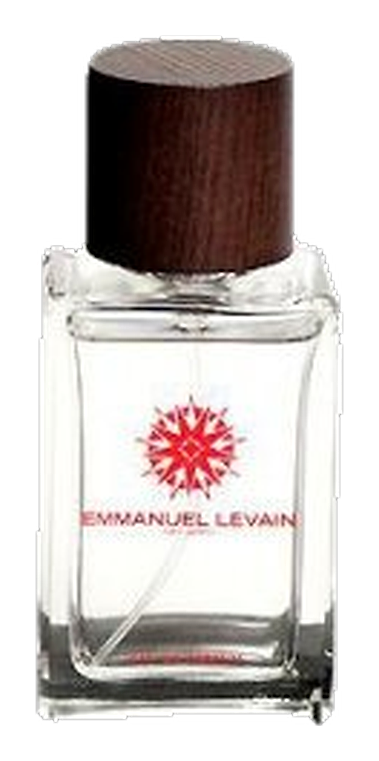
After founding Emmanuel Levain in Geneva in 2012, the former financial journalist began seeking a composition that would honor his collector's fascination with rare botanicals. Rouge emerged from this search, built on the premise that lily of the valley's green-floral purity could anchor a warmer heart without losing its refined character. The brand's minimalist philosophy meant the bottle would stay sparse, letting the scent speak directly to the wearer.
The note choices in Rouge reflect a philosophy of contrast and balance. Lily of the valley provides an initially cool, green impression that could stand alone as a soliflore, but Levain pushes further by introducing amber, jasmine, and vanilla to create warmth and depth. The tonka bean and white musk drydown ensure the fragrance settles close to the skin, rewarding the wearer with a personal sillage that develops over hours rather than minutes.
The evolution
The journey of Rouge begins with lily of the valley's crystalline freshness, a nod to the flower's historical place in perfumery as a symbol of purity. As the opening fades, amber introduces the warmth that defines the heart, followed by jasmine's opulent floral depth and vanilla's sweet, comforting presence. The progression feels deliberate, each note taking its turn before the final act: tonka bean's creamy coumarin notes and white musks seamless softness arrive to extend the experience into something lingering and intimate.
Cultural impact
Rouge arrived at a time when niche perfumery was gaining momentum, reflecting a shift toward personalized scent narratives that prioritize authenticity over mass appeal. Its focus on Lily of the Valley resonated with a generation seeking fresh, green floral expressions, while the amber‑vanilla heart provided comforting familiarity. By blending modern minimalism with classic oriental‑floral structure, Rouge contributed to the broader conversation about sustainable luxury, encouraging smaller houses to experiment with high‑quality ingredients without relying on overt marketing.