The Story
Why it exists.
The beginning
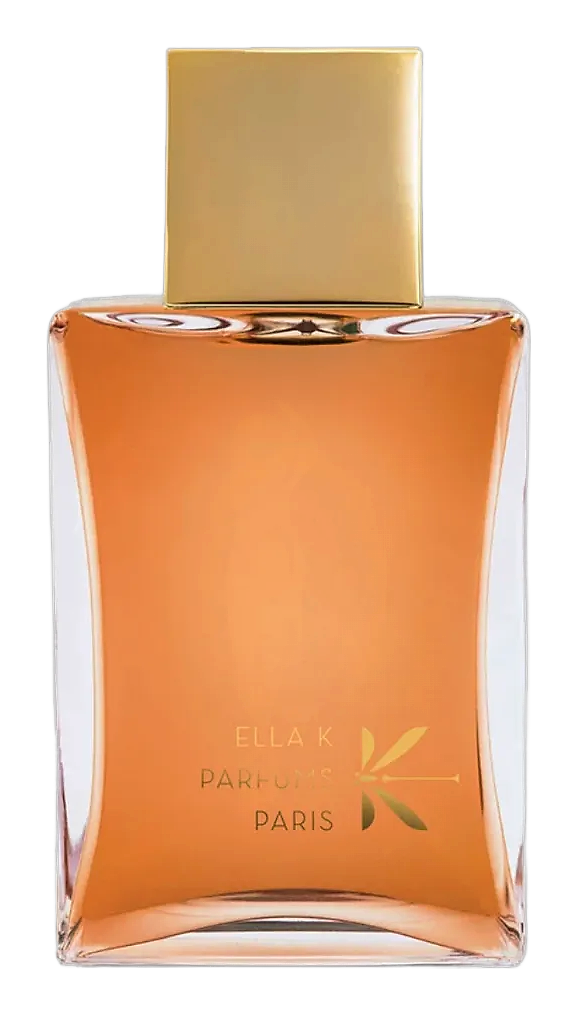
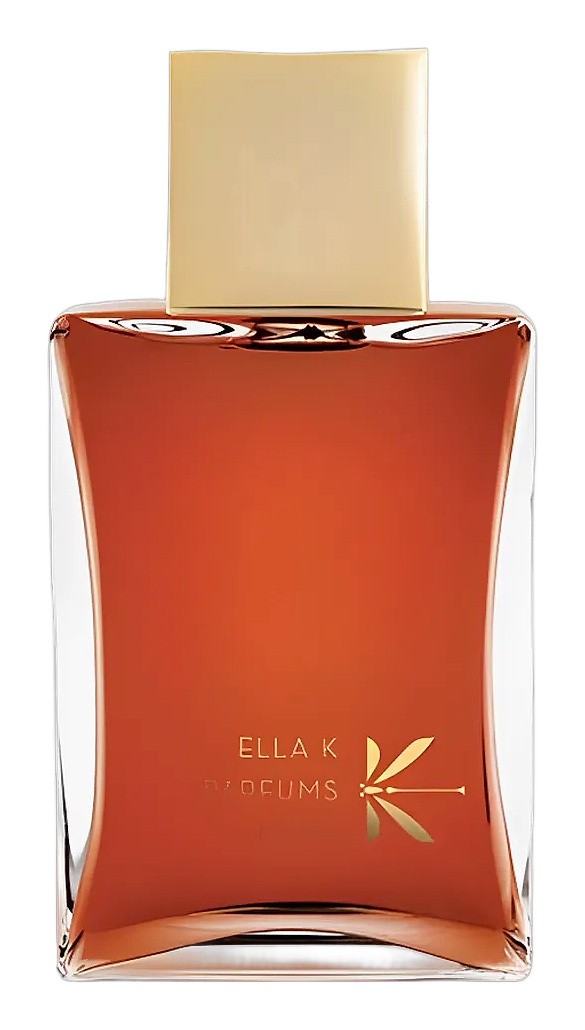
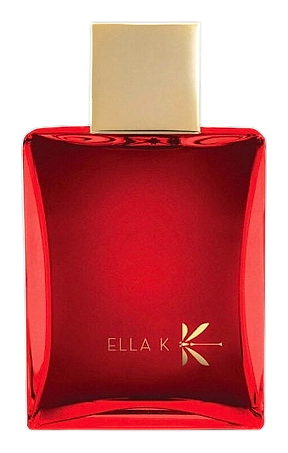
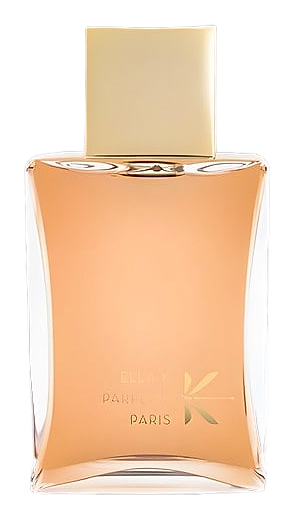
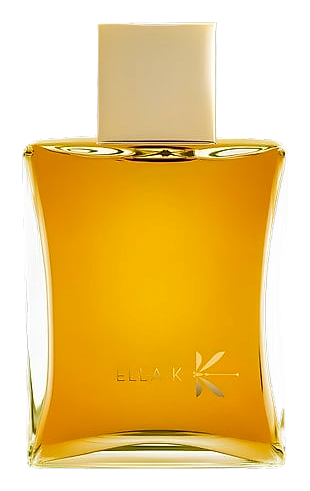
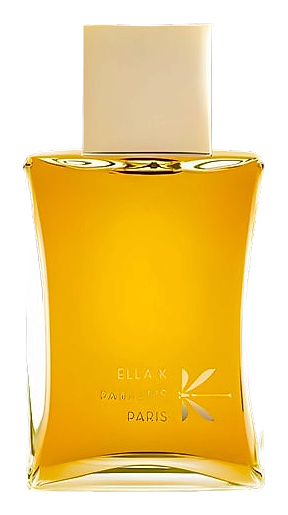
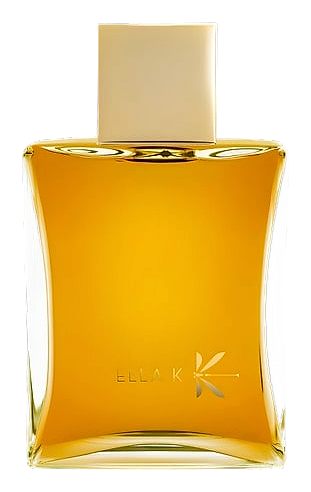
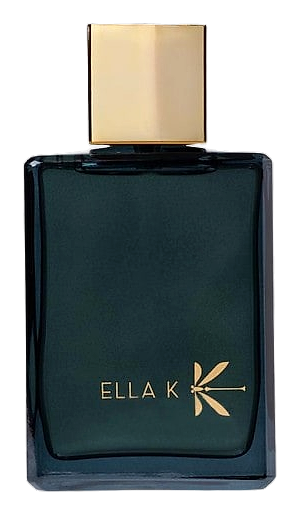
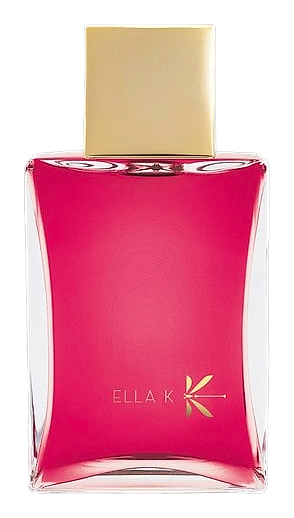
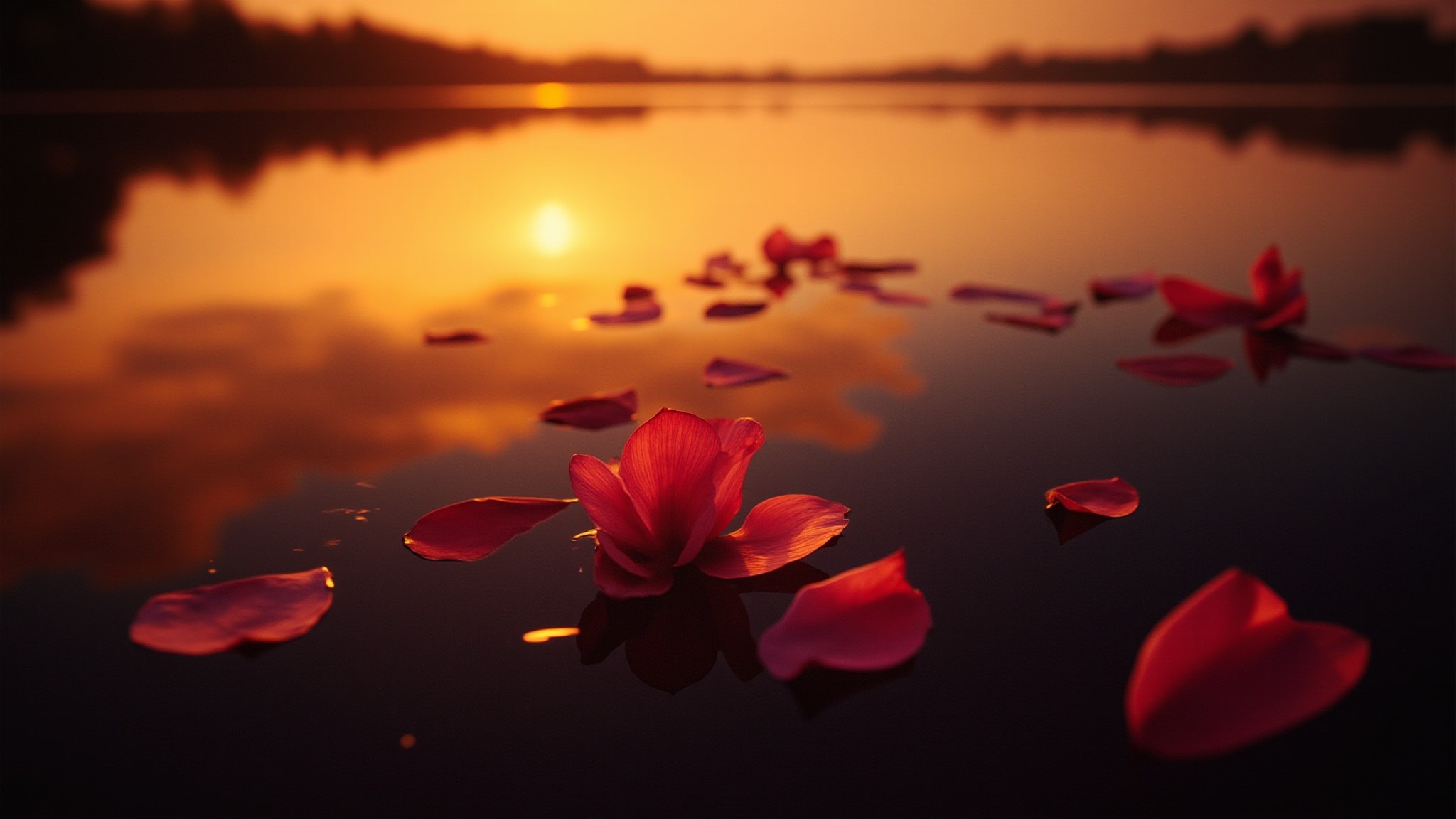
Pushkar sits in Rajasthan where pilgrims come to wash sins from their bodies in a sacred lake. The city's gardens grow Damask roses by the thousands. At dawn, devotees float baskets of petals on the water. At twilight, the lake turns gold. Sonia Constant visited and saw the roses still floating in the dark, scattered by the faithful, glowing under the full moon. That's the image she wanted to capture: not a rose as decoration, but a rose as offering. Rose de Pushkar is built from that contradiction, the sacred and the sensual, the cleansed and the fragrant, the pilgrim and the perfume.
The note structure makes this possible. Rose water opens the fragrance, less a romantic notion of rose than an actual aromatic material, bright and slightly astringent. Black pepper and saffron don't soften the rose; they frame it with heat. Then oud enters the composition. Not a whisper of oud, the real thing, dense and resinous, woven through a heart of sandalwood and patchouli. The leather in the base isn't a metaphor for sophistication. It's the tactile note, the one that grounds everything that came before it into something you can wear.
The evolution
The opening announces itself without apology. Saffron's resinous bite cuts through first, sharp enough to demand attention. Within minutes, rose water arrives, bright, almost medicinal, nothing like a sugared petal. Lychee adds a fleeting juiciness. Then frankincense settles underneath, giving the composition its incense-like depth. The handoff takes two to four hours, and it matters. The rose doesn't disappear, it becomes the centerpiece of something larger. Oud, sandalwood, and patchouli create a woody heart that the rose now inhabits rather than dominates. It's generous and certain. Leather arrives late, adding texture rather than drama. The base, musk, amber, tonka bean absolute, lingers close to skin for hours after. You catch it when you move. It's still there the next morning.
Cultural impact
Rose de Pushkar occupies a specific corner of the niche rose landscape: bold, unapologetic, built for those who find conventional Western roses too polite. Its moderate sillage and strong longevity make it a workday option for cooler seasons. The fragrance appeals to wearers who appreciate concentrated rose compositions, oud, patchouli, leather, and saffron working in concert rather than taking turns.
The House
Ella K ParfumsElla K Parfums is a French niche fragrance house founded in Paris by perfumer Sonia Constant and her partner Olivier Galliardi. The brand draws its creative direction from Constant's extensive travels and her study of pioneering female explorers, each fragrance reflecting a specific journey, landscape, or cultural encounter. Constant trained at ISIPCA in Paris and spent over two decades as a senior perfumer at Givaudan before establishing her own house. She is among a small number of female perfumers who have built independent fragrance brands, a distinction noted across multiple industry publications. The collection includes scents such as Lettre de Pushkar, Poeme de Sagano, Ghibli, and Musc K, each exploring a distinct geographical or emotional territory.
The Creator
Sonia ConstantConstant's style is often described as daring and complex. She's unafraid to use powerful ingredients and unexpected combinations, resulting in fragrances that are memorable and impactful.