
The Story
Why it exists.
The beginning
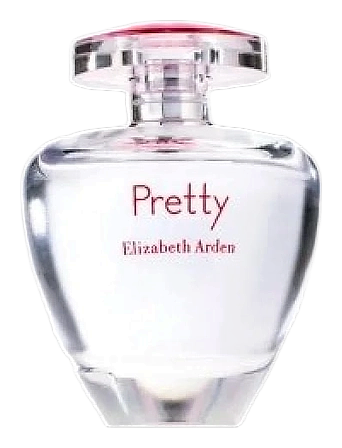
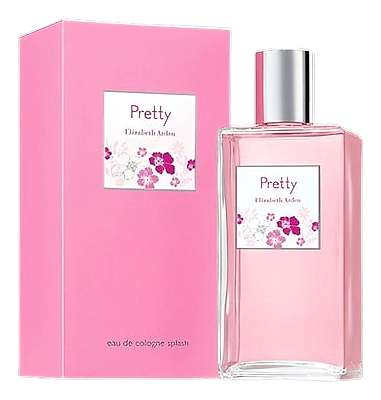
Elizabeth Arden built its identity on accessible luxury, prestige beauty that never tried to intimidate. The Pretty fragrance fits that mission perfectly: a fruity-floral designed not to challenge, but to delight. Perfumer Claude Dir worked with a simple premise for the 2010 launch. The name said it all. Rather than dark woods, mysterious resins, or complicated structures, Pretty aimed to be exactly what it promised. Fruit and florals, arranged with care, worn by someone who doesn't need to prove anything to anyone.
The top notes tell the story quickly, Cripps Pink apple and mandarin orange for crispness, watermelon adding that modern effervescent quality that became a mainstream staple in the late 2000s. Petalia® in the heart adds softness without weight, a powdery-floral texture that bridges the gap between bright opening and gentle drydown. The base, amber, musk, woody notes, does its job quietly. No grand finale. Just warmth that extends wear without announcing itself.
The evolution
The top notes arrive quickly: Cripps Pink apple, mandarin orange, peach, watermelon. The watermelon and citrus create a sparkling, ozonic burst that feels like biting into cold fruit on a warm day. Orange blossom adds a clean, soapy undertone that keeps the sweetness from getting heavy. Within the first hour, the florals take over, Petalia®, peony, iris, jasmine. The transition is gentle, not a hard handoff. The peony and Petalia® linger longest in the heart, their soft powdery quality tempering any residual fruit. By the third hour, the base emerges: amber and musk warming things up, blond woods adding just enough structure. Sillage stays intimate throughout. On fabric, it may survive until the next morning, though the fruit itself fades within the first hour. What surprises most: how gracefully it fades rather than simply disappearing. The florals thin out slowly, settling into a skin-close warmth that feels like the fragrance was always meant to stay close.
Cultural impact
Pretty Eau de Cologne arrived in 2010 during a pivotal era when mass-market fragrances shifted toward brighter, more accessible fruity-floral compositions. Elizabeth Arden positioned the fragrance within their broader Pretty franchise, extending the brand's identity beyond color cosmetics into accessible luxury scent territory. The late 2000s and early 2010s saw a proliferation of youthful, fruity-floral fragrances targeting younger demographics, and Pretty Eau de Cologne fit squarely within this movement. Its straightforward, unpretentious character reflected changing consumer attitudes toward fragrance as daily self-care rather than occasion-specific luxury.