The Story
Why it exists.
The beginning
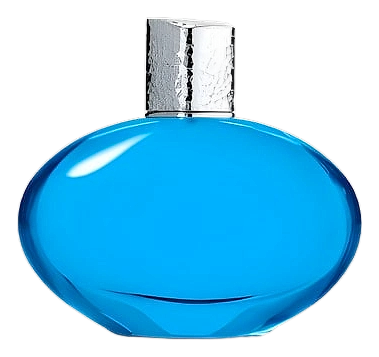
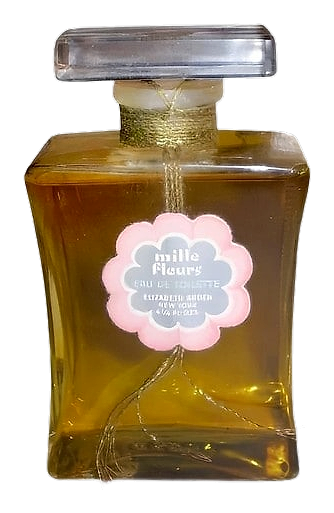
Mille Fleurs, meaning 'a thousand flowers,' arrived in 1939 from Elizabeth Arden, a house with a recognized place in American beauty history. By the late 1930s, the brand had established a presence that extended well beyond its initial salon, and its fragrance catalog was already a quiet statement of intent. Mille Fleurs stepped into that tradition with a particular philosophy. The name itself was the brief: not a single flower, not a stylized impression, but the lush, slightly chaotic abundance of a real garden at peak bloom. It was a generous take on the grand floral, democratic in its richness, generous in its materials, unembarrassed by excess. The juice carries that intent in every facet, presenting a multi-bloom composition that refuses to pick a favorite.
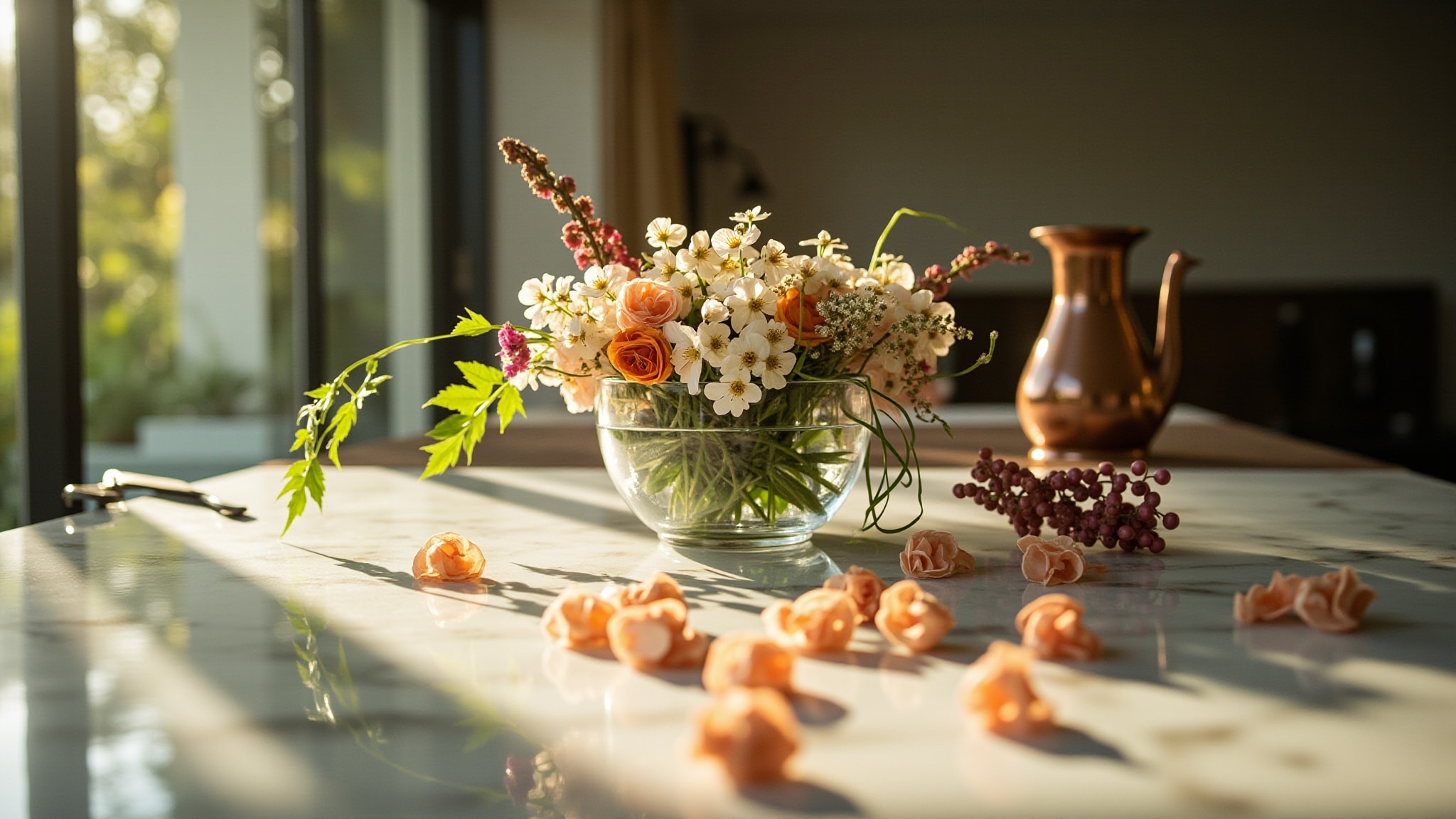
The composition builds a bouquet rather than chasing a soliflore, but stretches its canvas wide. The top layers pull in a clean citrus brightness alongside white-floral lift, giving the heart an airy, sunlit entry rather than a heavy, indolic one. The heart itself stacks three flowers that share a sweetness but differ wildly in texture, rose for velvet, jasmine for warmth, honeysuckle for that almost-edible nectar quality. Each bloom plays off the next, the jasmine warming what the rose smooths, the honeysuckle sweetening what the jasmine darkens.
The evolution
What opens the composition is a bright, green-edged freshness, the kind of crispness that suggests crushed leaves and cool morning air. The citrus is clean rather than sharp, adding a sparkling lift that reads more like sunlight filtering through branches than like a tart peel. Within minutes, the florals begin to take over, though the handoff feels gentle, less a transition than a gradual deepening. The heart is full and dewy, petals warmed by the kind of late-spring sun that brings out their richest character. There's a golden sweetness running through the bloom that keeps the composition from going powdery or heavy, a nectar-like quality that suggests honey without ever tipping into gourmand territory. As the hours pass, the brightness softens.
Cultural impact
Mille Fleurs occupies an interesting corner of American fragrance history. It reflects the sensibility of a house that wanted its luxury to feel generous rather than rarified, abundant without intimidation. The composition itself, a stacked bouquet rather than a single-flower portrait, embodies that instinct toward fullness and accessibility. Today, it reads as something worth seeking out for collectors and vintage fragrance enthusiasts. The production appears to have been discontinued, which places it firmly in the territory of discontinued vintage finds rather than current commercial releases.