
The Story
Why it exists.
The beginning
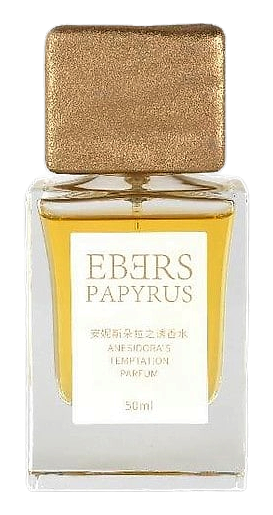
Anesidora's Temptation draws its name from Anesidora, the Greek figure associated with Pandora and the gifts granted by the gods. That mythology gives the fragrance its narrative center: adornment, allure, and temptation treated with composure rather than excess. Ilias Ermenidis translates the idea through a floral woody musk built around orange blossom, pink pepper, tangerine, gardenia, green apple, jasmine, papyrus, tuberose, and ylang-ylang. Creamy sandalwood, vanilla, ambrette seed, cashmere wood, and ambroxan lend the composition a soft foundation, surrounding the floral heart with smooth wood, gentle sweetness, and a clean amber character.
The interesting part is the friction inside that polish. Orange blossom and tangerine bring light, sparkling lift, while pink pepper places a rosy pinch of heat beside them. Gardenia, tuberose, jasmine, and ylang-ylang create lush white petals, but green apple and papyrus keep the arrangement from becoming purely pretty. Papyrus contributes a dry, fibrous impression that feels almost intellectual, like a page opening between two richly dressed scenes.
The evolution
At first, orange blossom, pink pepper, and tangerine make a bright entrance, with citrus sweetness tempered by pepper's pink heat. The heart then expands into gardenia, tuberose, jasmine, and ylang-ylang, while green apple adds a crisp, fruit-like edge. Papyrus is the surprise in the middle: drier and more textural than the petals around it, almost like a cool page interrupting the warmth. As the flowers settle, sandalwood and cashmere wood bring a smooth, close-to-skin warmth. Ambroxan contributes a clean amber character, while ambrette seed and vanilla add a soft, musky sweetness. The composition moves from sparkling citrus and pepper into dense white petals, dry papyrus, smooth wood, and a gently sweet base.
Cultural impact
Anesidora's Temptation introduces a classical mythological frame through the figure of Anesidora, associated with Pandora and the gifts granted by the gods. That narrative meets a contemporary floral woody musk composed around adornment, allure, and temptation. Orange blossom and tangerine lend brightness, while pink pepper, green apple, and papyrus add warmth, fruit, and a dry fibrous texture. Gardenia, tuberose, jasmine, and ylang-ylang build the floral center, balanced by sandalwood, cashmere wood, vanilla, ambrette seed, and ambroxan.
The House
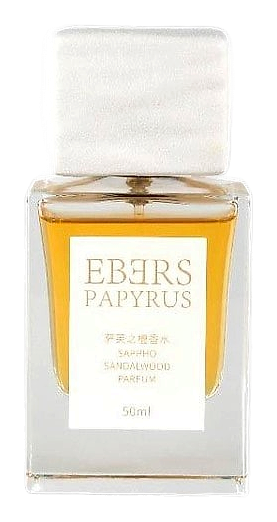
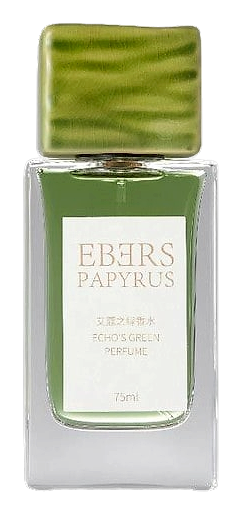
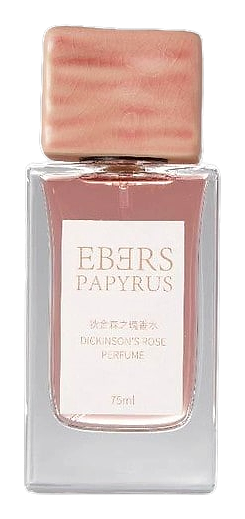
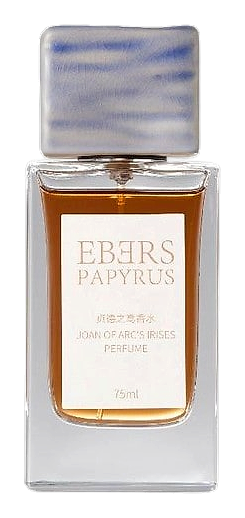
Ebers PapyrusEbers Papyrus is a fragrance house founded in 2021 around a distinctive meeting of ancient Egyptian reference and contemporary perfumery. Its name comes from the Ebers Papyrus, a medical manuscript written in ancient Egypt and commonly dated to around 1550 BCE. The house presents fragrance through a wellness frame, with compositions reported to have been developed in partnership with DSM-Firmenich. Its catalogue spans green, floral, woody, resinous and aromatic directions, including Echo's Green, Anesidora's Temptation, Joan of Arc's Irises, Dickinson's Rose, Sappho Sandalwood and Boy Do Cry. The central idea is clear: use scent as a point of reflection, pairing historical references with an accessible, modern fragrance wardrobe.
The Creator
Ilias ErmenidisThe Greek-Turkish nose favors transparent structures built on a solid base of natural absolutes. He reaches for oud, ambergris, and rose de mai, but always layers them with unexpected modifiers—citrus zest, spice tinctures, or a whisper of leather.