
The Story
Why it exists.
The beginning
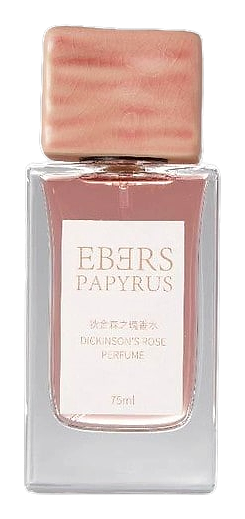
Dickinson’s Rose is named for the 19th-century American poet Emily Dickinson, whose life was closely shaped by nature, gardening, and roses. The fragrance is the work of Daphné Bugey, who reduced that literary and botanical reference to a focused composition. Pink pepper brings the first spark, rose holds the center, and vetiver and musk complete the structure. It isn't a grand tribute built for display. It's a quiet, modern portrait of the flower as it actually grows: cultivated, but never tamed. The rose remains central, with pepper adding brightness and the woody, earthy character of vetiver giving the floral accord a grounded counterpoint. Musk adds a soft, clean dimension without displacing the flower.
Its unusual strength comes from restraint. A rose can drift toward soap, sweetness, or old-fashioned floral formality, so the supporting materials do specific jobs. Pink pepper cuts through the softness with a bright aromatic edge. Vetiver introduces dry earth and a green, herbal depth. Musk then leaves a clean, skin-like trace instead of adding another layer of obvious perfume. The result is floral, woody, lightly sweet, and quietly powdery without needing more notes to prove the point.
The evolution
The opening arrives with the quick flicker of pink pepper, rosy but sharply awake. That brightness gives way to the main floral impression, where rose feels softer and fuller without becoming heavy. As the flower settles, vetiver introduces a dry, earthy edge that changes the temperature of the composition. Musk remains close underneath, smoothing the transition and leaving a powdery, clean finish. The surprise is the soil note beneath the petals: the rose remains recognizable, but it feels less like a bouquet and more like a living plant. Its moderate presence suits close quarters, with a likely 4-6 hour wear before becoming a quiet skin scent. The composition moves from pink pepper’s bright opening into the fuller rose accord, then settles into the dry green character of vetiver and a soft, powdery musk finish.
Cultural impact
Dickinson’s Rose brings together a literary name, the image of the rose, and an earthy floral accord. The title connects the fragrance to Emily Dickinson’s well-known relationship with nature, while the composition places rose at the center of its structure. Pink pepper adds an aromatic accent, and vetiver contributes a dry, green, earthy dimension. Together, these elements give the floral theme a distinctive setting and make Dickinson’s Rose an inviting composition to explore.
The House
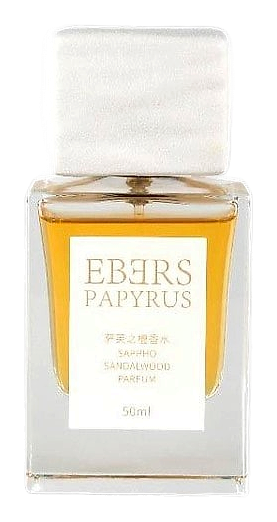
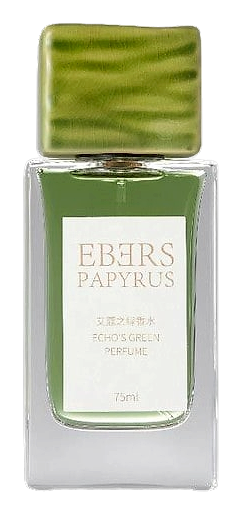
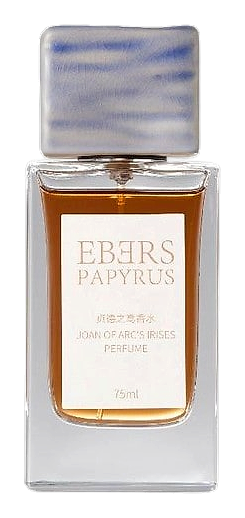
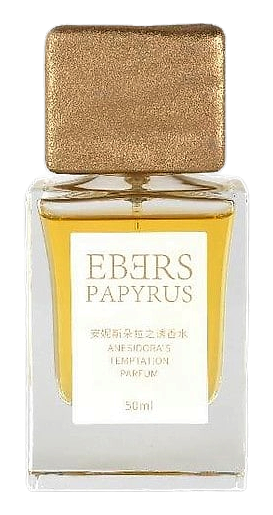
Ebers PapyrusEbers Papyrus is a fragrance house founded in 2021 around a distinctive meeting of ancient Egyptian reference and contemporary perfumery. Its name comes from the Ebers Papyrus, a medical manuscript written in ancient Egypt and commonly dated to around 1550 BCE. The house presents fragrance through a wellness frame, with compositions reported to have been developed in partnership with DSM-Firmenich. Its catalogue spans green, floral, woody, resinous and aromatic directions, including Echo's Green, Anesidora's Temptation, Joan of Arc's Irises, Dickinson's Rose, Sappho Sandalwood and Boy Do Cry. The central idea is clear: use scent as a point of reflection, pairing historical references with an accessible, modern fragrance wardrobe.
The Creator
Daphné BugeyRose is the cornerstone of Bugey's signature. She treats it as a flexible material, pairing it with citrus and woods in some compositions, grounding it in musks and animalic warmth in others.