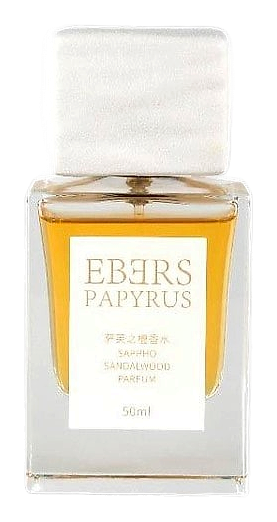
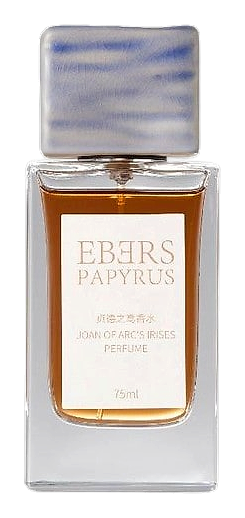
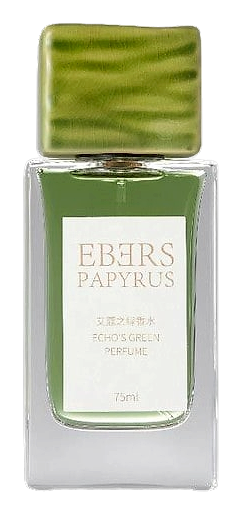
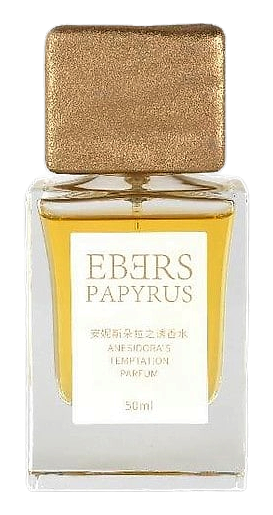

Heritage
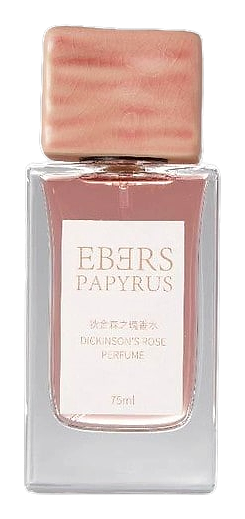
A house, in its own words
Ebers Papyrus was founded in 2021, but its identity points back much further. The brand takes its name from the ancient Egyptian Ebers Papyrus, a medical text composed around 1550 BCE and often described as one of the oldest surviving written records of Egyptian healing practices. The manuscript contains recipes, remedies and observations related to illnesses, treatments and substances used in ancient medical care. Research published in 2023 described it as an important, though incomplete, contemporary perspective on Egyptian medicine. That history gives the brand a more specific origin than a general reference to Egypt: it connects fragrance with an archive of practical knowledge, plant materials and ritualized care. The name also fits the brand's interest in historical manuscripts, botanical traditions and the idea that fragrance can carry memory across time. Ebers Papyrus appears to build its present-day identity around that long historical thread without claiming direct continuity with ancient perfumery. Its fragrance names, including Echo's Green, Anesidora's Temptation, Joan of Arc's Irises, Dickinson's Rose, Sappho Sandalwood and Boy Do Cry, extend the reference into a varied contemporary catalogue. The brand's own materials describe it as a wellness fragrance house, while independent fragrance coverage records its establishment in 2021. Together, these sources support a concise history: a young brand founded in 2021, named after a 3,600-year-old medical manuscript, and developed around the relationship between scent, history and personal reflection. Ebers Papyrus frames perfume as a form of personal and cultural reflection rather than a simple accessory. The ancient manuscript behind its name offers a starting point for thinking about how knowledge, remedies and botanical substances have been recorded, used and passed down. The brand's fragrance titles draw from figures, plants, moods and literary associations, giving each scent a narrative reference before it reaches the skin. This creates a flexible vocabulary for fragrance discovery, from green accords to iris, rose, sandalwood and more intimate aromatic compositions. The wellness angle is part of that framing, but it should be understood as a brand perspective rather than a medical claim. No source provided establishes that the fragrances treat health conditions, reproduce ancient remedies or produce therapeutic effects. The safer reading is that the house uses the language of wellbeing to explore how a fragrance can influence mood, atmosphere and the ritual of wearing scent. Its partnership with DSM-Firmenich, reported in brand and industry material, adds a contemporary production context to the historical premise. In practical terms, the philosophy appears to rest on three connected ideas: historical inspiration, emotional association and fragrance as part of everyday care. The result is a house that invites exploration while keeping its strongest reference points, the Ebers Papyrus and ancient Egyptian botanical knowledge, close at hand.