The Story
Why it exists.
The beginning
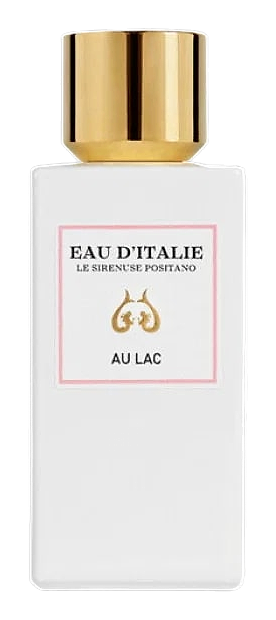
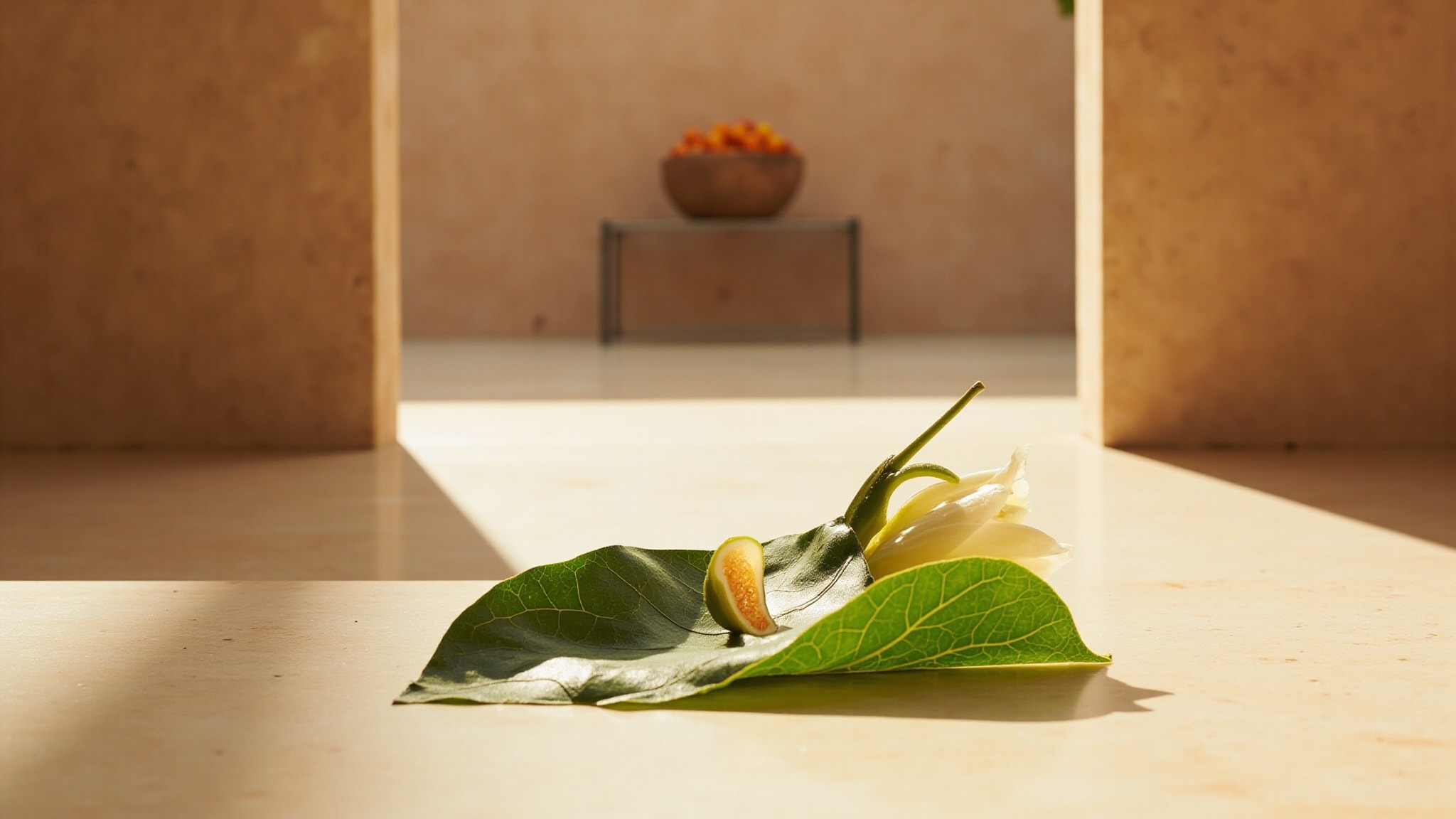
Launched in 2010, Au Lac was composed by Alberto Morillas, a perfumer with one of the most recognizable bodies of work in modern fragrance. The composition draws on Italian rose for its heart, grounding the scent in raw materials tied directly to the landscape it set out to capture. The result is a green-aquatic floral that feels more like an impression of place than a traditional bouquet, structured around water-lily, fig leaf, and bitter orange leaf up top, with papyrus and mineral amber anchoring the base. There's a deliberate coolness to the way it opens, and the florals never dominate the way you'd expect. Instead, the rose sits quietly inside a composition built around water, stone, and green stems.
What gives the structure its character is the interplay between green and aquatic elements. Water-lily and fig leaf read damp and vegetal at once, while bitter orange leaf adds a bitter-citrus snap that keeps the whole thing from floating off. Papyrus and a mineral amber base settle underneath, giving the fragrance a dry, almost geological finish. It's a floral that thinks it's a landscape painting, and the tension between those elements is what makes it worth wearing more than once.
The evolution
The first ten minutes are all green snap. Fig leaf and bitter orange land sharp and slightly bitter, almost like peeling a stem. Water-lily sits underneath, giving everything a cool, wet sheen that reads more pond than perfume. Around the twenty-minute mark, the rose and jasmine sambac start pulling their weight. The jasmine here is restrained, not indolic, more like walking past a bush at dusk than sticking your nose in it. The osmanthus sneaks in with its apricot-leather undertone, adding warmth without weight. By hour two, the papyrus takes over. It's dry and papery, with a faint cedarwood hum beneath it. The mineral amber settles in as the base, and this is where the fragrance becomes something else entirely: less a floral, more the smell of sun-warmed stone near water.
Cultural impact
Au Lac rewards a different kind of attention than most green-aquatic florals. The papyrus and mineral amber base carry weight, and the Italian rose at the heart avoids the powdery turn that often flattens similar compositions. It wears with a restraint that makes it feel considered rather than decorative, and the drydown holds onto its stoney warmth without tipping into sweetness. For anyone drawn to green-leaning florals with an actual base, it offers something that grows on you the longer it sits on skin.