The Story
Why it exists.
The beginning
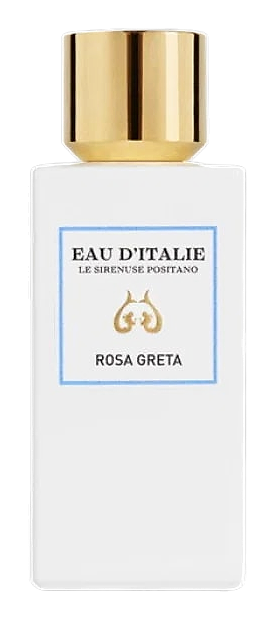
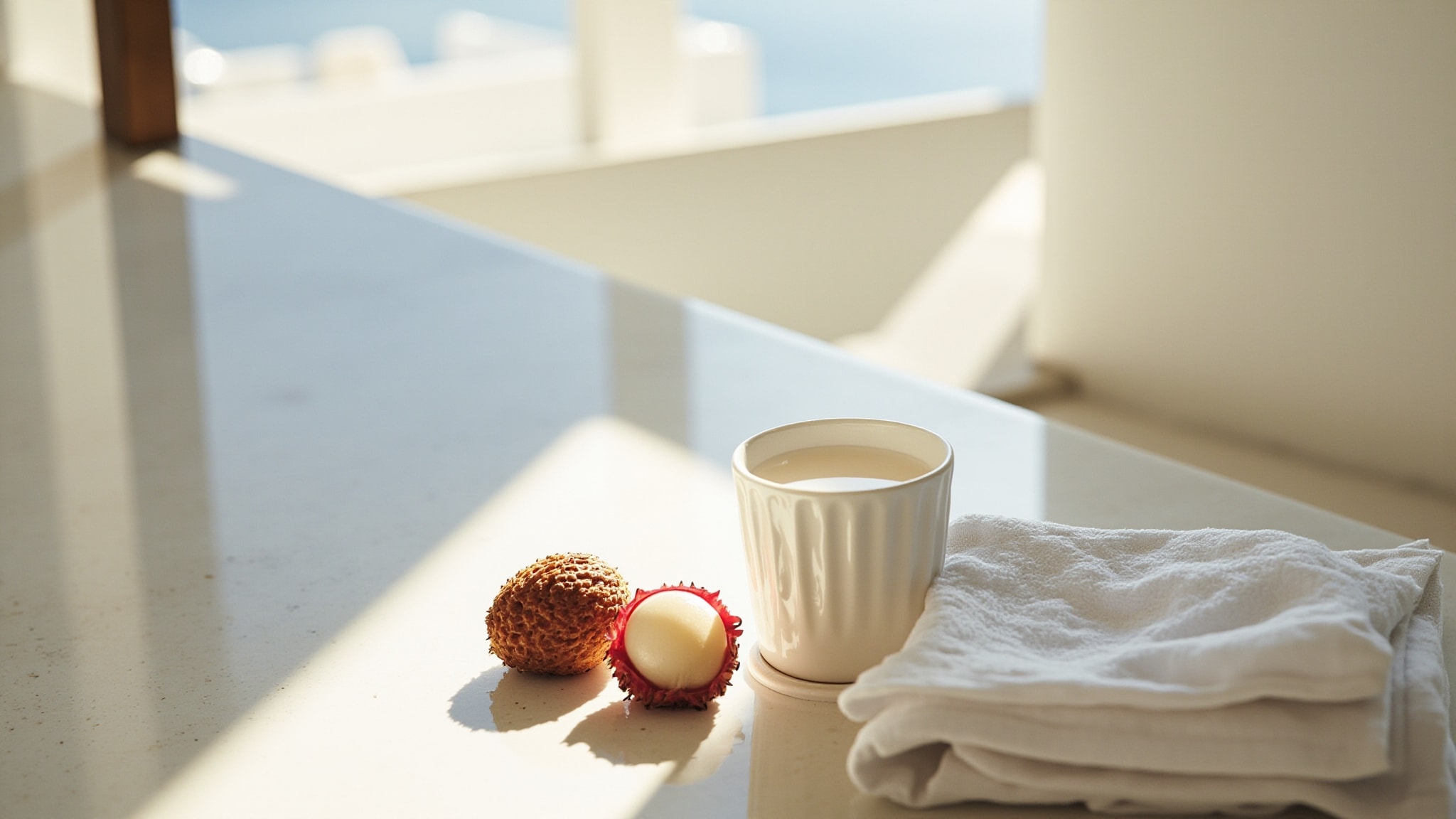
Rosa Greta arrived in 2017, composed by Fabrice Pellegrin for Eau d'Italie. The fragrance takes its name from Greta Garbo, drawing on a particular chapter of her life: a happy phase spent in a villa high above the Amalfi Coast in Ravello. Pellegrin built the composition around that image, a woman in retreat, the Mediterranean light filtering through stone walls and sea-facing windows. White tea and lychee lift the opening like cool air through an open shutter, while Damask rose and rosebud settle into the heart with a softness that feels less perfumed and more lived-in. The base, anchored by ambroxan and cedarwood, gives the whole thing a quiet gravity.
What's clever is how few notes do all the work. White tea and lychee handle the lift, then Damask rose and rosebud carry the body, and ambroxan with cedarwood close the door behind you. The Damask rose does the heavy romantic lifting, but it's framed by tea and fruit, which keeps it from sliding into old-fashioned territory. The white tea gives the opening its clarity, a cool green wash that prevents the lychee from reading as candy, and the lychee in turn gives the tea a touch of skin-like warmth.
The evolution
On skin, Rosa Greta opens almost fizzy, the white tea reading as a pale steam note and the lychee lending a wet, translucent sweetness that sits forward in the earliest phase. Then the roses arrive, and they arrive quietly, Damask rose and rosebud folding into each other so you can't quite separate them. The heart phase is the longest stretch, a clean floral that smells like cold water and silk, the kind of softness that makes you lower your wrist to your nose repeatedly. As the hours pass, the ambroxan starts pulling the composition downward into warmer territory, and the cedarwood introduces a faint dry quality that keeps everything from tipping into sweetness. What lingers close to skin is the ambroxan-cedar handshake, soft, almost powdery in the best sense, a woody hum rather than a woody statement. On a sweater the next morning, you'll catch a ghost of rose over clean wood.
Cultural impact
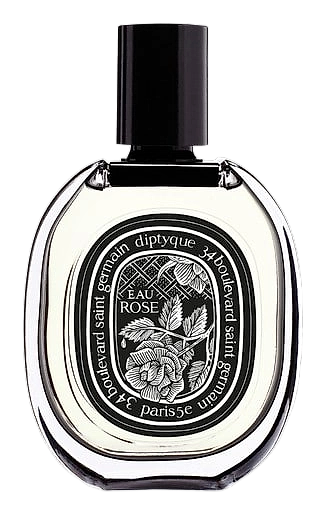
Rosa Greta sits in the company of fresh-rose teas like Diptyque's Eau Rose, which wearers often cite as a reference point. It carries the same clean, water-light quality, the rose treated more like a breeze through curtains than a bouquet in a vase. Where many rose compositions lean either soapy or syrupy, this one threads the needle, floral enough to satisfy rose lovers but stripped back enough to wear in any season. The Garbo name lends a certain weight, an association with solitude and self-possession, and the composition honors that mood.