Bitter Orange Leaf
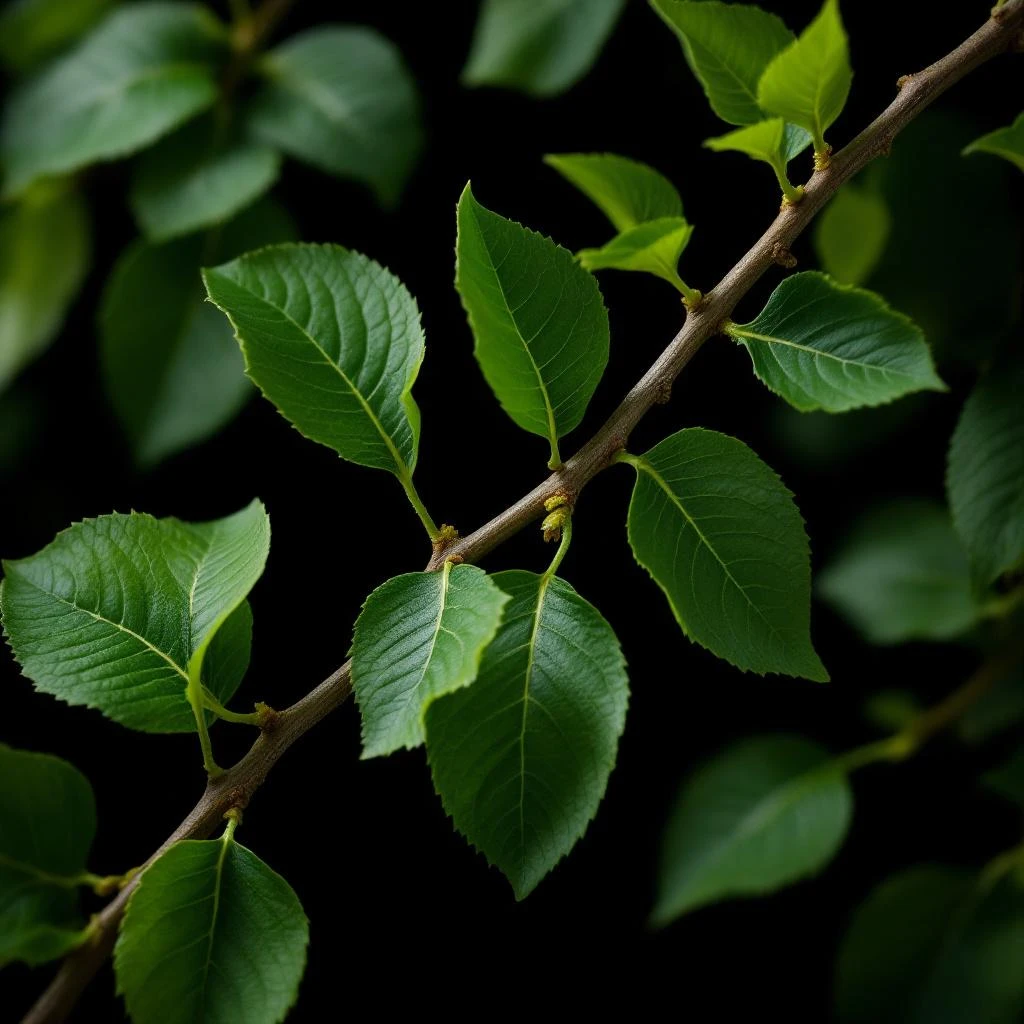
The leaf of Citrus aurantium carries an aromatic intensity that belies its modest origins. Where the fruit offers brightness and the blossom whispers sweetness, the leaf speaks in verdant, complex tones that perfumers prize for depth.
Character
How it smells
Green, bitter, and beautifully alive.
In 19th-century France, petitgrain referred to small bitter orange fruits; perfumers shifted to distilling leaves when fruits grew scarce, accidentally discovering a more complex note.







Origin
Spain
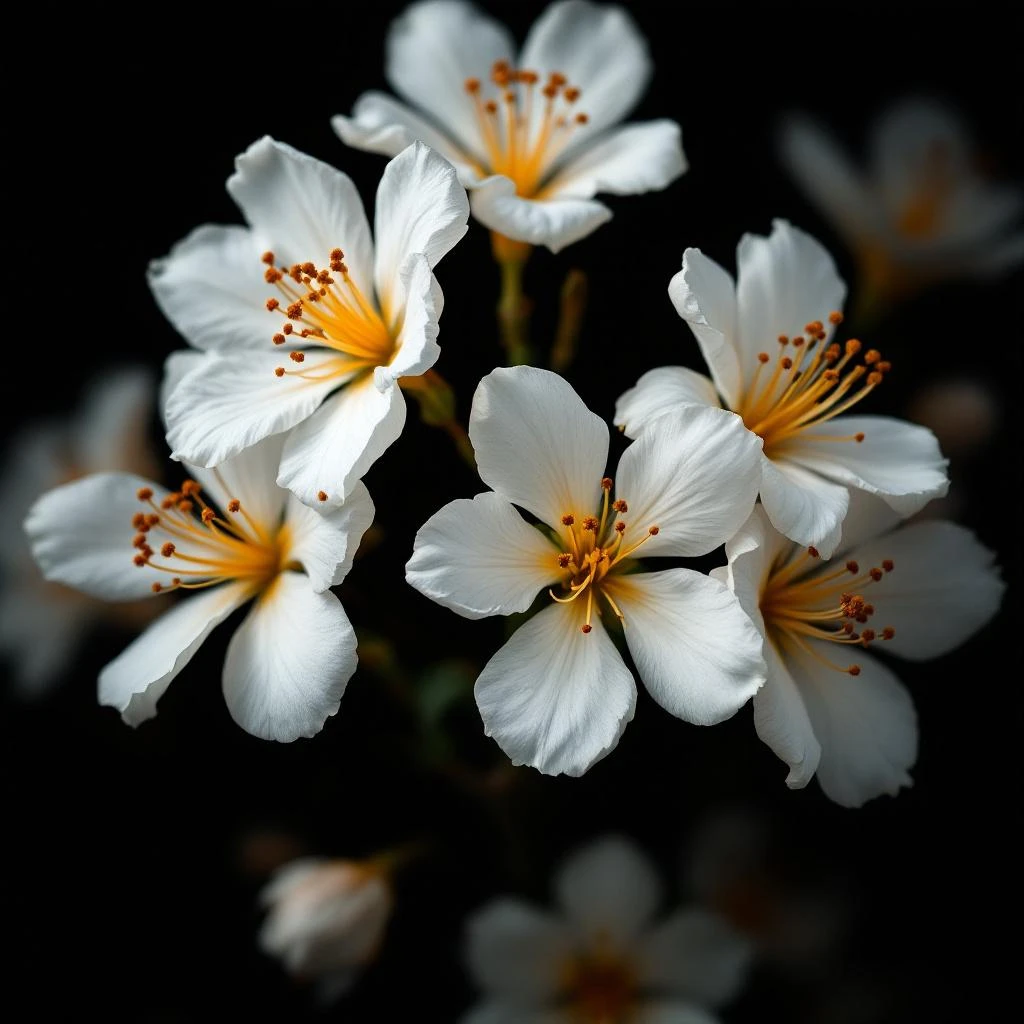
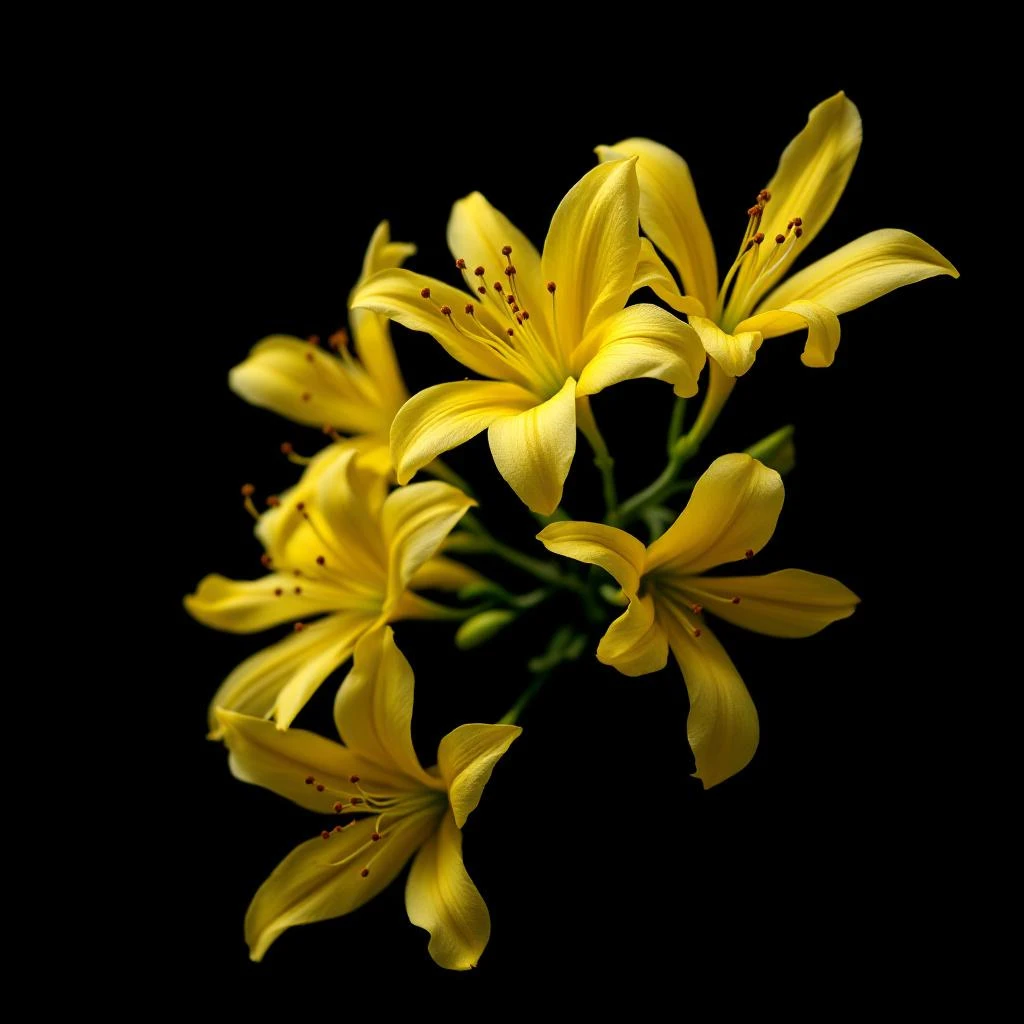
Bitter orange traveled westward from its Southeast Asian origins along ancient trade routes, arriving in the Mediterranean by the twelfth century. Seville became its spiritual home, producing the world's finest specimens by the 1700s.
The city remains so identified with the tree that Citrus aurantium now appears on Seville's coat of arms alongside the motto "Noll me tollere reversum"—"I shall not be uprooted." While the fruit gave perfumers bright essence and the blossom yielded precious neroli, the leaf remained largely unexamined until demand for petitgrain outstripped fruit availability.
French perfumers first distilled leaves in quantity during the nineteenth century, finding a more complex, green character than expected. This accidental discovery transformed bitter orange leaf into a perfumery staple, particularly valued in classical colognes, chypres, and aromatic fougères where its bitter verdancy provides natural freshness and structural depth.
Wears it best
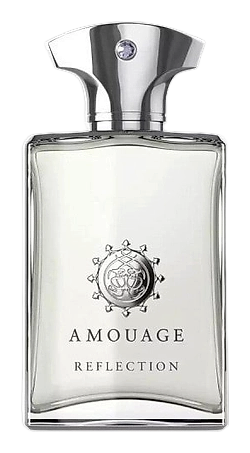
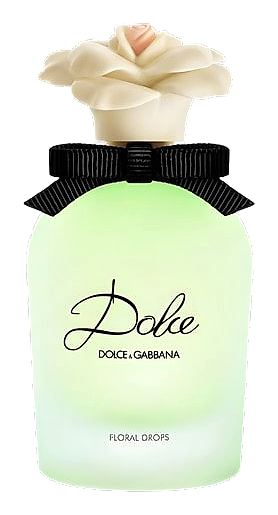
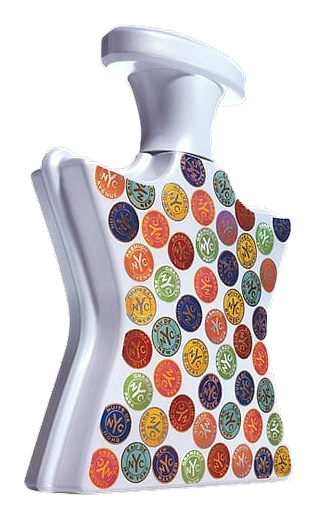
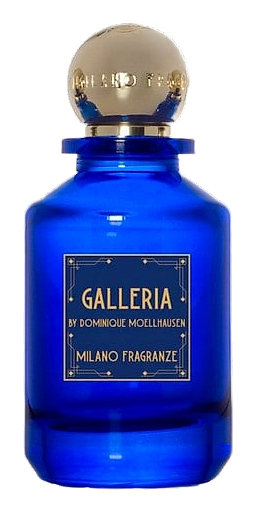
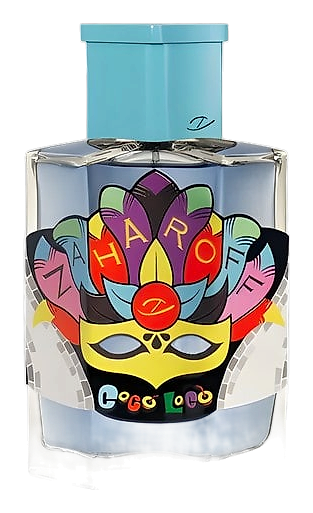
Fragrances featuring Bitter Orange Leaf
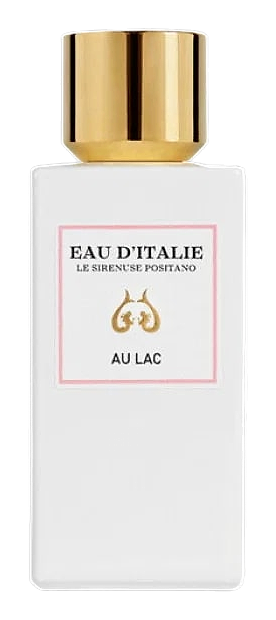
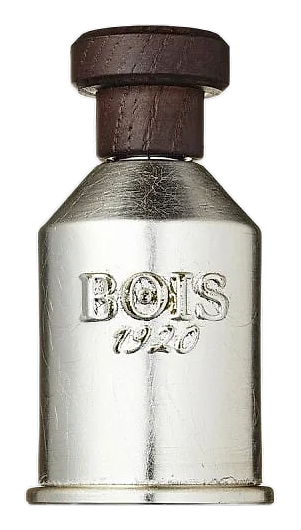
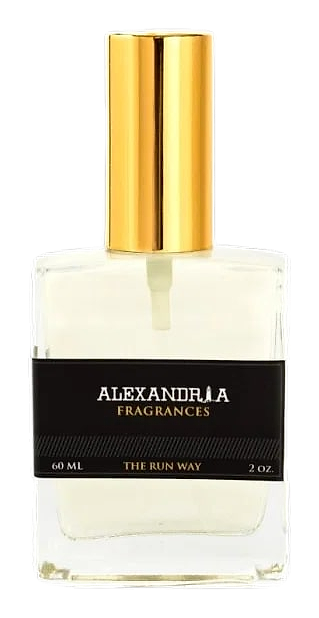
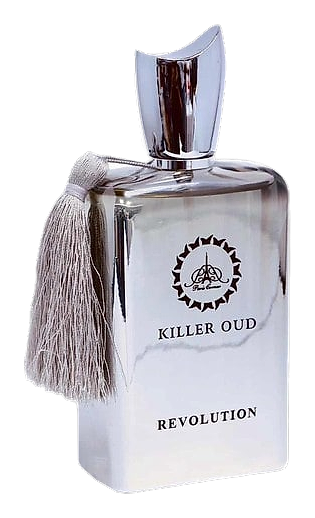
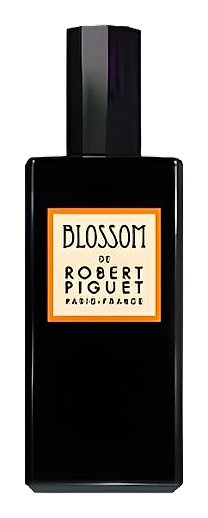
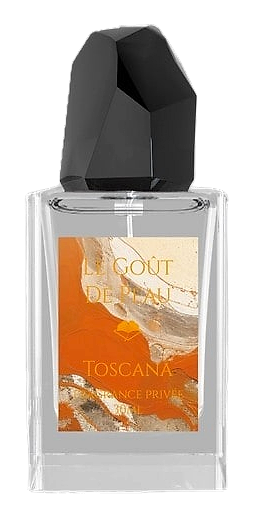
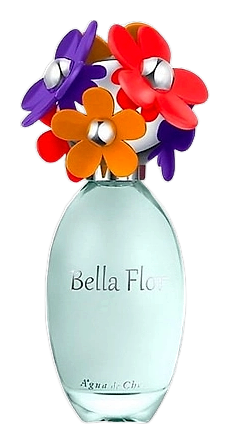
Brands
Brands known for Bitter Orange Leaf
Good to know
Questions, answered
The essentials on Bitter Orange Leaf in perfumery: how it smells, where it comes from, and how it behaves on skin.
What does bitter orange leaf smell like?
Bitter orange leaf oil delivers a green, slightly bitter aroma that differs distinctly from the fruit's bright citrus. Think crushed herb stems and fresh-cut leaves with an aromatic, almost leafy quality that grounds fragrance compositions.
How does bitter orange leaf differ from petitgrain?
True petitgrain originally meant oil from small fruits, but modern petitgrain comes from leaves and twigs. Bitter orange leaf specifically captures the leaf's green-bitter qualities, while blended petitgrain may include small fruits and twigs.
Which fragrance families use bitter orange leaf?
It appears mainly in colognes, chypres, and fougères. The note adds natural green freshness to bright citrus openings and provides aromatic depth that connects top notes to base elements.
Is synthetic bitter orange leaf available?
Synthetic versions exist but lack the natural oil's complexity. Natural bitter orange leaf oil contains dozens of trace compounds that contribute to its characteristic bitter-fresh aroma.
When do producers harvest bitter orange leaves?
Harvest timing critically affects the oil's character. Leaves picked before flowering tend toward brighter, more pronounced green notes, while post-flowering leaves produce a more subdued, slightly floral quality.
Which countries produce the best bitter orange leaf oil?
Paraguay, Haiti, and Egypt lead production today. Each region produces oil with distinct characteristics shaped by local growing conditions, harvest practices, and distillation methods.
What notes pair well with bitter orange leaf?
The leaf complements citrus and rosemary naturally. Within chypre constructions, it bridges between bright bergamot and deeper base notes like vetiver or oakmoss without introducing sweetness.
Does bitter orange leaf cause skin reactions?
Bitter orange leaf oil presents low risk compared to citrus peel oils. Cold-pressed citrus peel contains furanocoumarins that cause photosensitivity; steam-distilled leaf oil does not carry the same concern.