
The Story
Why it exists.
The beginning
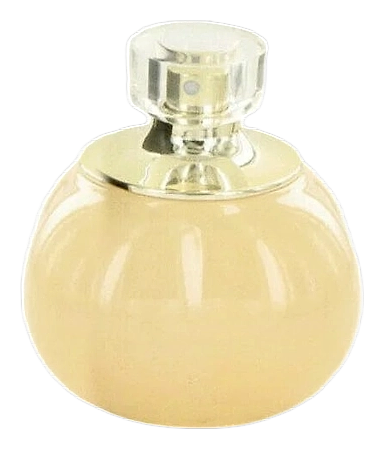
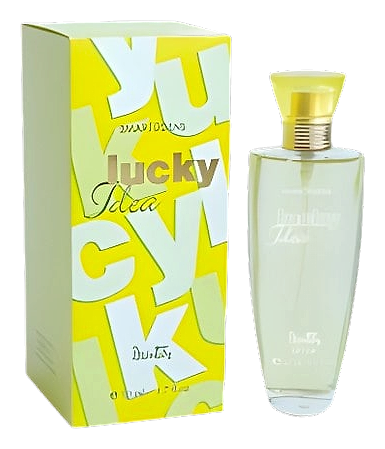
Lucky Idea arrived in 2007, a floral composition from Dzintars, the Latvian perfume house. Nothing about this fragrance announces itself as ambitious. It reads closer to a small, confident idea, the kind a perfumer sketches after lunch and decides not to overthink. The composition is a study in restraint: lily of the valley, jasmine, tuberose, and water lily, a white floral quartet with nothing layered on top to complicate it. Each of the four notes carries real weight, and the absence of supporting accords means every one of them sits close to the skin, fully exposed. The opening reads almost damp, the cool green-lactonic breath of muguet settling in before the warmer florals have a chance to crowd the space.
The structure of Lucky Idea is a quartet, and each flower does a specific job. Lily of the valley opens the composition with its green, wet, almost cucumber-cool character, the note that gives the whole fragrance its initial lift and keeps it feeling airy rather than dense. Without that green top edge, the warmer white florals below would collapse into something heavy and opaque; muguet holds the frame open like a window cracked in early summer.
The evolution
The first fifteen minutes belong to the greenest notes, the lily of the valley and water lily pulling forward, wet, almost cucumber-cool against skin. There is no citrus to warm up the opening, no spicy lift, just that cold green wash settling in. By the thirty-minute mark the jasmine arrives properly, soft and slightly indolic, rounding the edges of the green without smothering it. The heart phase runs from roughly forty-five minutes to two hours, and this is where the tuberose earns its place. It thickens the composition without darkening it, adding a creamy, almost sunscreen-warm density that makes the lighter florals feel grounded rather than thin. Past the two-hour mark the composition thins into something quieter. The tuberose retreats to a skin-warm wisp, the jasmine softens into a blurred sweetness, and the lily of the valley reasserts itself as a faint green trace clinging to fabric. After four hours what remains is a clean, slightly creamy skin scent, the water lily's sheer quality now the dominant character.
Cultural impact
Lucky Idea arrived in 2007 from Dzintars, joining a catalogue that had developed around the brand's repeated engagement with white-floral composition. Within Dzintars' line, the fragrance sat inside a quiet cluster of lighter florals aimed at consumers who wore perfume as part of an everyday routine rather than as an occasional statement. Its composition, built around lily of the valley and water lily alongside jasmine and tuberose, reflects the kind of clean, transparent floral profile that defined a significant portion of mid-2000s European perfumery at the accessible end of the market.