The Story
Why it exists.
The beginning
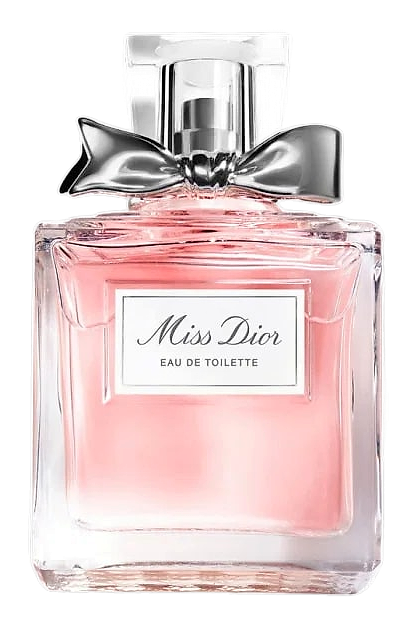
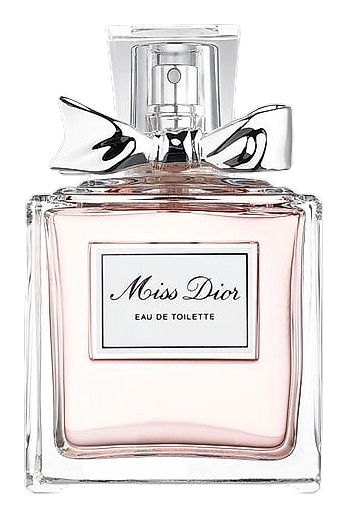
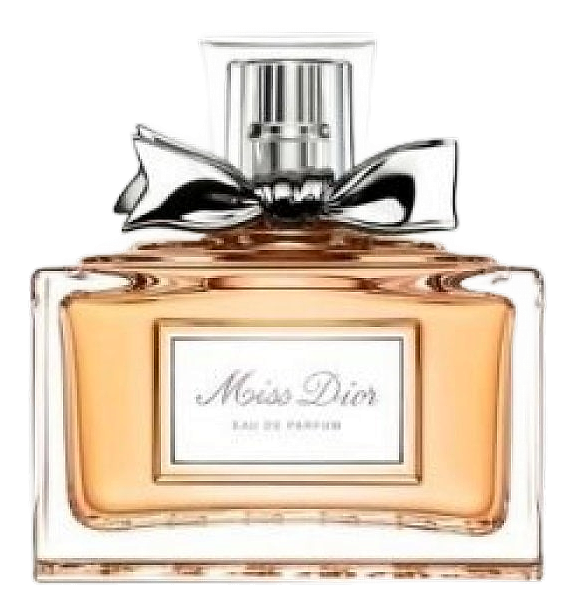
When François Demachy reimagined Miss Dior in 2017, he wasn't reviving a ghost. He was arguing with one. The original Miss Dior had its own identity, rooted in a different era of perfumery, but Demachy wanted something different. Not softer. Fresher. A Miss Dior for a woman who'd rather walk through a garden than pose in one. The result layers a floral heart wrapped in citrus and anchored by patchouli, pulling from the house's couture vocabulary while reaching outward. The composition leans into the green and bright, a deliberate departure from the heavier chypres that once defined the lineage, and the choice signals a new direction for what Miss Dior can be.
What makes this composition worth attention is the restraint. Demachy doesn't pile on sweetness to amplify the rose. Instead, the Damask rose sits at the center, flanked by green, almost herbaceous jasmine leaf on one side and a bright citrus opening on the other. The pink pepper adds a spark, not heat. The patchouli in the base is there not for earthiness but for structure, grounding the florals without burying them.
The evolution
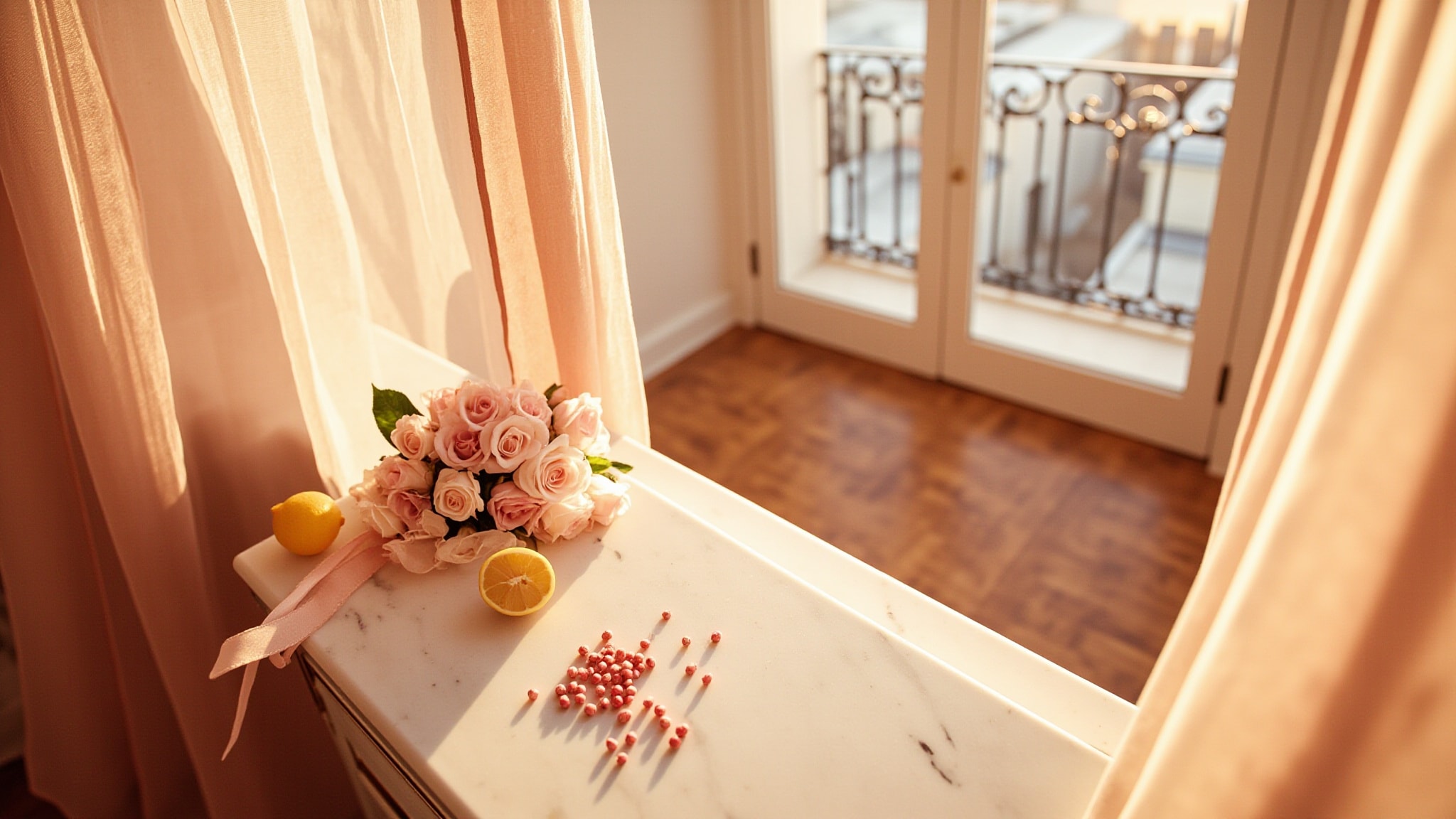
The first fifteen minutes are almost misleading. Lemon and mandarin arrive together, cold and bright, with pink pepper crackling at the edges, like the smell of zest hitting a cutting board. The citrus doesn't linger. By the half-hour mark, the rose takes over, but it doesn't arrive alone. It's dampened by jasmine leaf, which keeps things green and slightly sharp, preventing the florals from turning soapy. This green-floral phase stretches on, a dewy, sun-warmed-flower quality that defines the composition for the bulk of its life. Then the patchouli and Brazilian rosewood settle in. The sweetness rounds out, the sillage pulls inward, and what remains is a soft, woody warmth, close and intimate against the skin. It doesn't shout. It hums, quiet and persistent, like a scent that's been folded into your clothes.
Cultural impact
Miss Dior (2017) found its audience quickly, appealing to anyone drawn to a modern floral sensibility. Natalie Portman fronted the campaign, lending the scent a particular kind of composed, modern femininity. The green-floral character gives it versatility across seasons, shifting easily from spring mornings to cooler evenings without losing its composure. It reads as a fragrance for someone who wants presence without performance, a scent that feels considered rather than decorative.