Jasmine Leaf
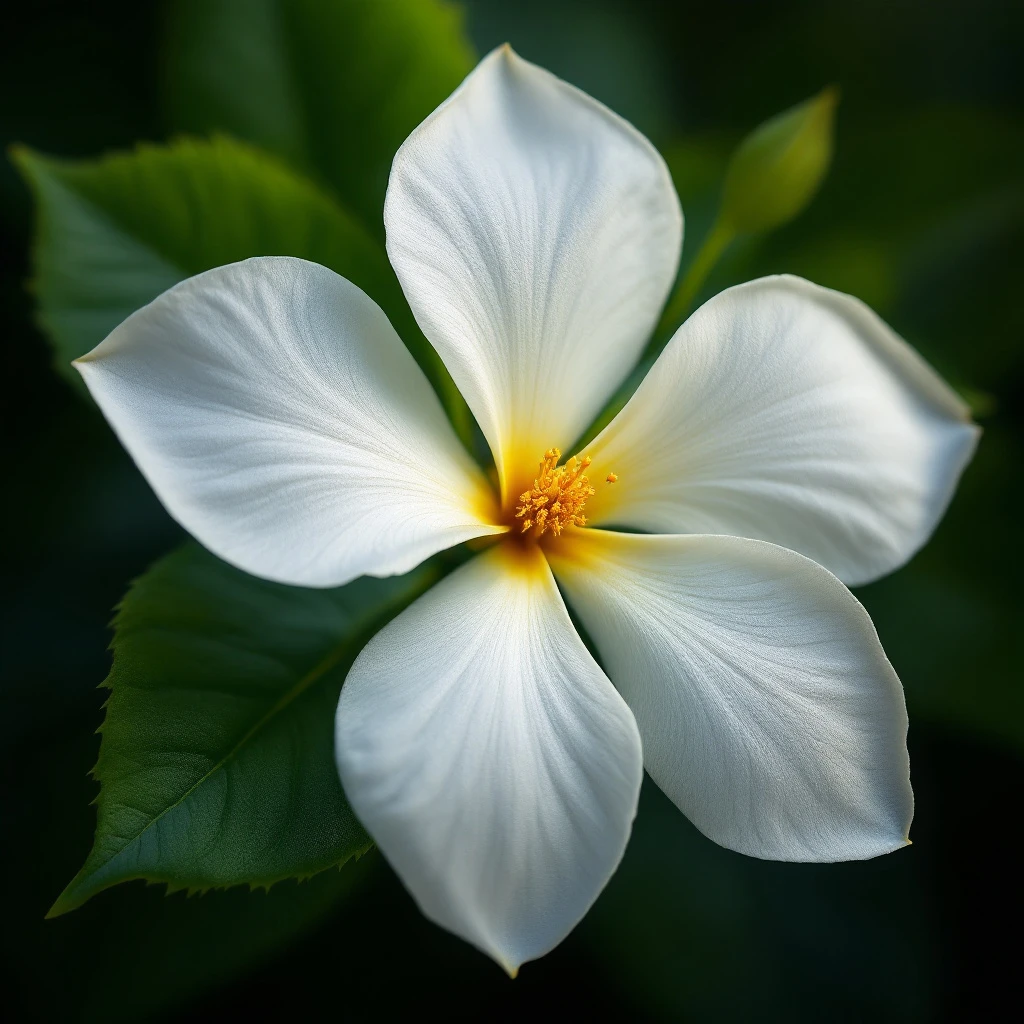
Jasmine Leaf brings a rare green, herbaceous dimension to perfumery that sits apart from the Narcisse flower. Where jasmine flowers captivate with Narcisse sweetness, jasmine leaves offer a crisp, verdant freshness that grounds compositions with natural authenticity.
Character
How it smells
Green clarity from jasmine's verdant heart
Jasmine leaves contain identical green leaf volatiles found in freshly cut grass, creating that recognizable fresh-cut lawn aroma in perfume.






Origin
India
While jasmine flowers dominated perfumery history from ancient Ayurvedic texts through Grasse's 1850s bloom, the aromatic potential of jasmine leaves remained largely unexplored. Indian and Chinese traditional medicine utilized jasmine leaves for their therapeutic properties long before recognizing their olfactory value.
Ancient Sanskrit texts mention jasmine leaves crushed for their green, cooling scent in temple ceremonies, predating formal perfumery. The 1600s Moors who carried jasmine to Spain likely observed how crush jasmine leaves released different aromatics than the flowers during cultivation.
Japanese perfumers notably developed green leaf absolute as a sophisticated material during the mid-twentieth century, filling perfumers' need for verdant freshness unavailable in traditional floral materials. Today, jasmine cultivation spans India, Egypt, Morocco, and France, but leaf extraction represents less than three percent of total jasmine processing.
Wears it best
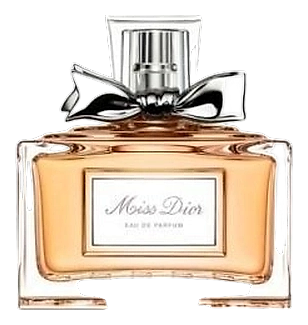
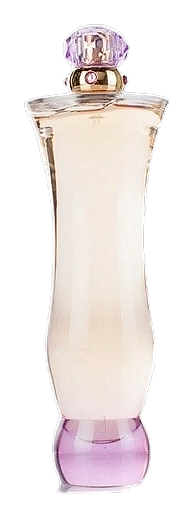
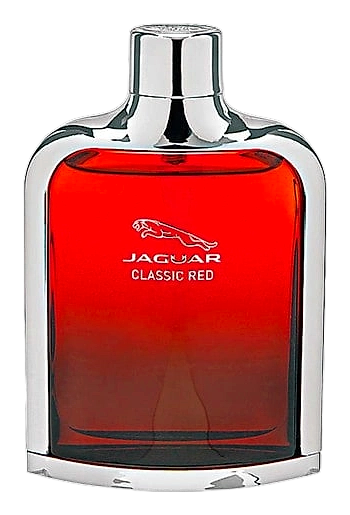
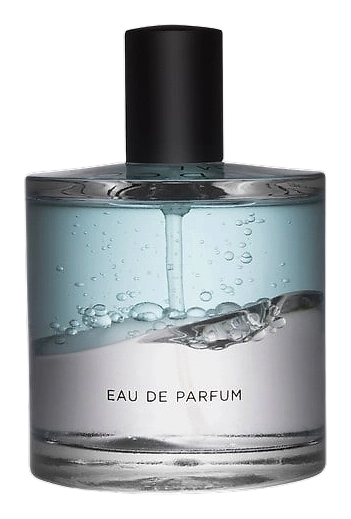
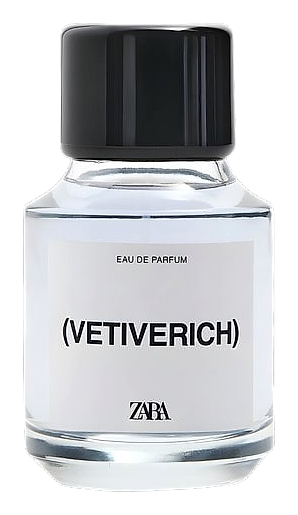
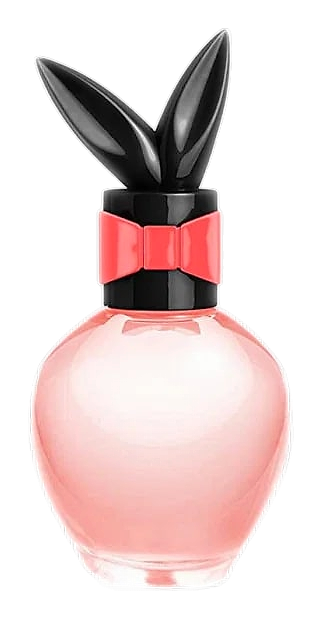
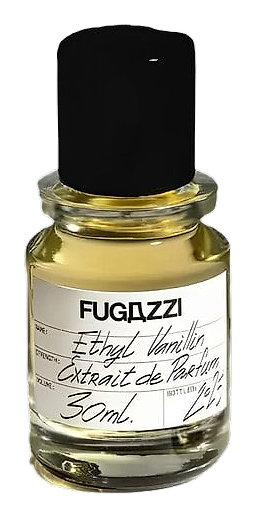
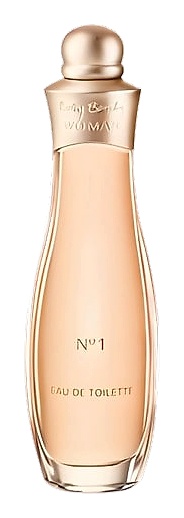
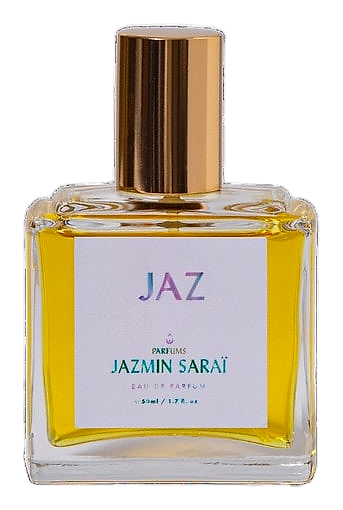
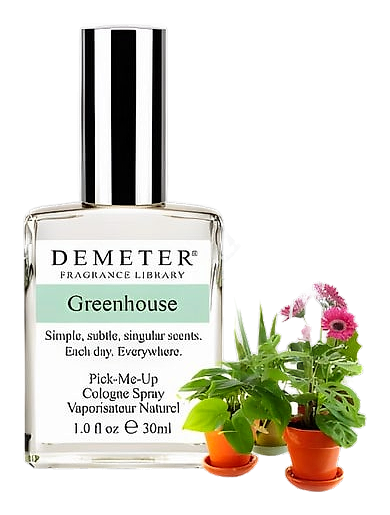
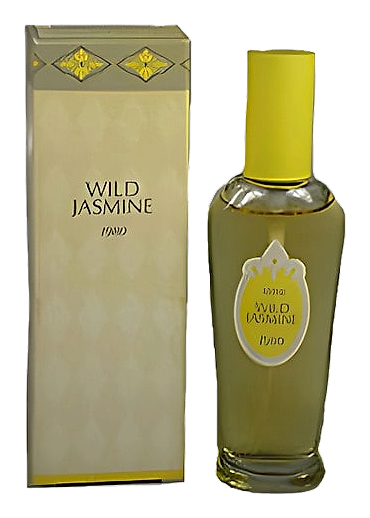
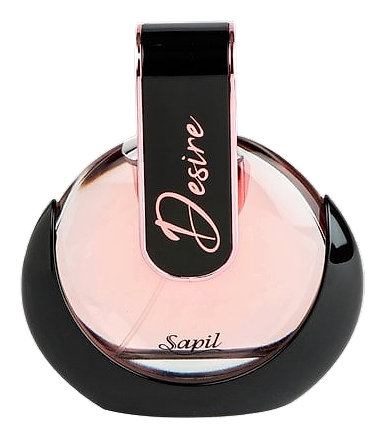
Fragrances featuring Jasmine Leaf
Brands
Brands known for Jasmine Leaf
Good to know
Questions, answered
The essentials on Jasmine Leaf in perfumery: how it smells, where it comes from, and how it behaves on skin.
What does jasmine leaf smell like in perfumery?
Jasmine leaf delivers crisp green, herbaceous notes with slight bitterness. It lacks the sweet, narcotic qualities of jasmine flowers and instead offers a verdant, freshly-cut grass character that reads as natural and luminous on skin.
How is jasmine leaf absolute produced?
Fresh jasmine leaves undergo steam distillation or supercritical CO2 extraction to capture their aromatic compounds. Harvesting occurs at dawn to preserve volatile green leaf volatiles before heat dissipation reduces potency.
What compounds give jasmine leaf its characteristic scent?
Cis-3-hexenyl acetate and various green leaf volatiles (GLVs) create jasmine leaf's signature fresh-cut grass impression in perfume.
Is jasmine leaf commonly found in commercial perfumes?
Jasmine leaf appears infrequently due to modest extraction yields. It serves as a specialized material for perfumers crafting nuanced green and aromatic compositions rather than mainstream fragrances.
Where does jasmine leaf material originate?
Jasmine leaf extracts come primarily from India and Egypt where Jasminum officinale cultivation remains extensive, though any major jasmine-producing region can supply leaf material.
How does jasmine leaf differ from jasmine flower in fragrance?
Jasmine flower absolute carries sweet, indolic, Narcisse character while jasmine leaf absolute provides crisp green, herbaceous qualities that add freshness and realism to compositions.
Can jasmine leaf be synthetically replicated?
While synthetic cis-3-hexenyl acetate exists, jasmine leaf's complex mixture of green volatiles makes natural extraction the preferred source for authentic green-herbaceous character.
What perfume families most use jasmine leaf?
Jasmine leaf appears in premium green, chypre, and aromatic fragrances where perfumers seek natural-verdant freshness without relying solely on synthetic green materials.