
The Story
Why it exists.
The beginning
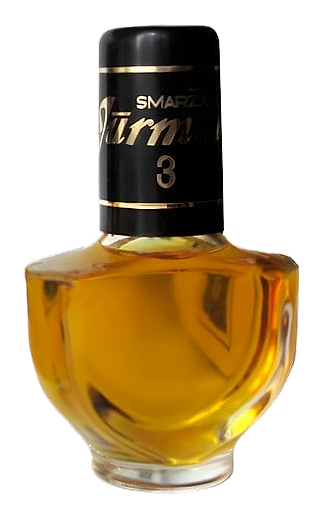
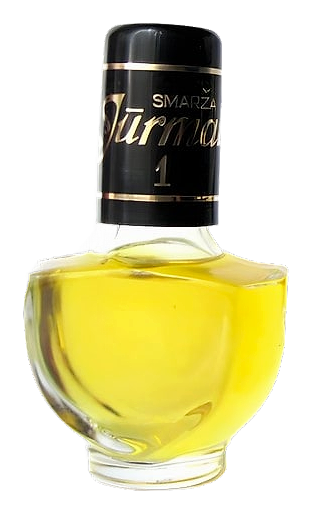
Jūrmala is the seaside resort town outside Riga where Latvians have retreated to wooden summer houses for over a century. Pine forests, white sand, the occasional painted facade. In 1983, three Dzintars perfumers, Antonina Vitkovskaya, Victoria Ryabko, and Liesma Oše (Prūse), looked at that landscape and tried to bottle it. Not literally. No beach notes, no tourist postcard. Something colder, greener, more honest. The brief was simple: something that smelled like the air before the heat arrives. Jurmala 1 was the result, a fragrance that captured a place by the way it felt, not the way it looked.
What makes Jurmala 1 interesting isn't any single note, it's the structural tension between cool and warm. The opening leads with narcissus and lily of the valley, both flowers that carry a green, almost medicinal coolth. Mandarin orange adds brightness but doesn't sweeten. Then the heart arrives: rose and patchouli, a combination that shouldn't work but does, the rose kept honest by the earthy depth underneath. Vanilla appears late, a whisper rather than a statement. By the base, opoponax and cedar have taken over, warmed by musk. It's a vertical composition that moves from cool to warm without ever fully leaving the cold behind, the way a Baltic morning stays brisk even when the sun comes out.
The evolution
The opening hits first, mandarin brightness cutting through cool florals, the narcissus lending a green, slightly strange edge that announces itself before you've had coffee. Ten minutes in, lily of the valley steps back and rose enters the conversation, warmer than expected, kept grounded by vetiver and patchouli beneath it. The iris adds a powdery softness that smooths the transition. Thirty minutes later, the heart is fully established, you're in the woods now, not the beach. Vanilla finally arrives, but it's brief, a momentary softness before the base takes over. Opoponax and cedar lock together, musk settling into skin like warmth from a woodstove. The drydown stays close, intimate. Hours later, you catch it on your own wrist, warm, woody, faintly sweet. Still there.
Cultural impact
Jūrmala 1 holds an unusual position in post-Soviet fragrance history. While Dzintars produced dozens of scents during the Soviet era, few achieved the artistic ambition of Jurmala 1, a composition that aimed for something beyond functionality. The 1983 release demonstrated that Soviet-bloc perfumery could produce work with genuine structural complexity and artistic intent. Today, the fragrance is recognized by collectors of Eastern European vintage as a high-water mark for the region. Its subsequent rebranding as Scythian Gold speaks to its enduring character, the scent survived because it was strong enough to stand on its own.