The Story
Why it exists.
The beginning
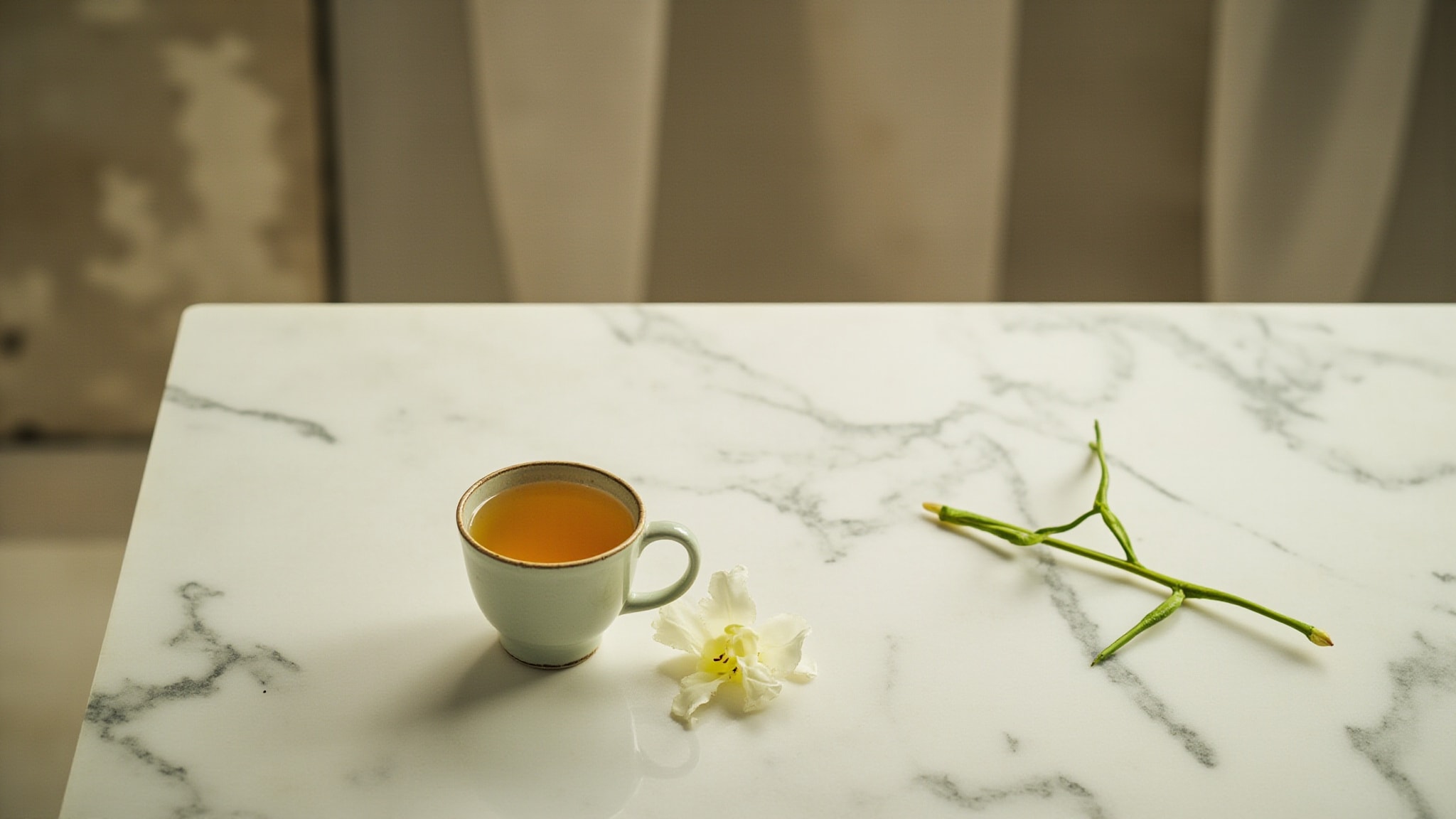
Some scents chase attention. This one steps back. Released in 2012, Freesia, White Tea was built around a simple question: what does a Provençal garden smell like the moment the mist lifts? Not at peak bloom, not at high noon, but in that early hour when everything is still damp and tender, the air holding onto moisture like a memory it hasn't finished with. The composition was designed to capture that particular hush, the suspended quality of a garden caught between night and full morning. Freesia and white tea were chosen for their shared quality of restraint, both botanical, both translucent, both the kind of scent that earns a second inhale rather than demanding a first.
Freesia carries a green, peppery lift that reads almost cucumber-cool on skin, a crispness that feels more like early spring than full summer. There's something faintly metallic in the way it opens, the cool snap of a stem snapped between fingers. White tea brings a steam-infused hush, the smell of leaves bruising under hot water but never fully steeping, an almost milky warmth that never tips into heaviness. Paired, they cancel out each other's tendency toward the obvious: the freesia stays airy instead of soapy, the tea stays botanical instead of smoky.
The evolution
On skin, the composition opens with a brief sharpness, almost aggressively clean, like the first cool inhalation through parted lips on a dewy morning. There's a briskness in the first minute, a certain brightness that feels close to citrus without ever naming a specific fruit. By the ten-minute mark the freesia takes the wheel, replacing that initial snap with something cooler, greener, faintly peppery in the way only freesia can be. The composition flattens here, settles into a steady middle register where neither note dominates. White tea shows up around the thirty-minute mark, not as a new arrival but as the temperature drop you didn't notice happening. The whole composition tilts cooler, more mineral, like the difference between a warm room and a window left open.
Cultural impact
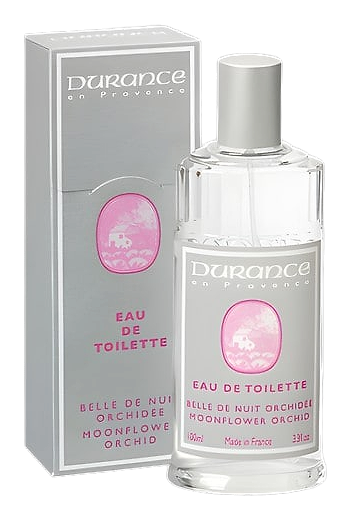
Freesia, White Tea occupies a modest place in Durance en Provence's catalogue, a two-note composition built on a philosophy of understatement. It doesn't court attention or chase trend cycles. The fragrance appeals to wearers who prefer scent as atmosphere rather than accessory, people who reach for tea-based compositions in warmer months and value transparency over projection. Its quietness is part of the appeal, offering an alternative to louder florals and heavier orientals that dominate much of the market.