The Heritage
The Story of Durance en Provence
Durance en Provence creates fragrance collections that echo the light, scent and colour of southern France. Each bottle carries a note of lavender, rosemary or citrus harvested from the hills surrounding Grignan, where the family‑run house was born. The brand balances tradition with a modern sensibility, offering scents that feel both familiar and fresh, inviting the wearer to step into a Provençal garden.
Heritage
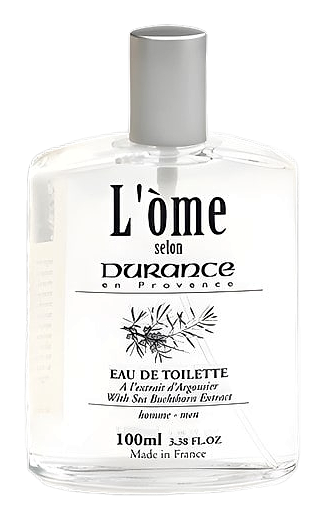
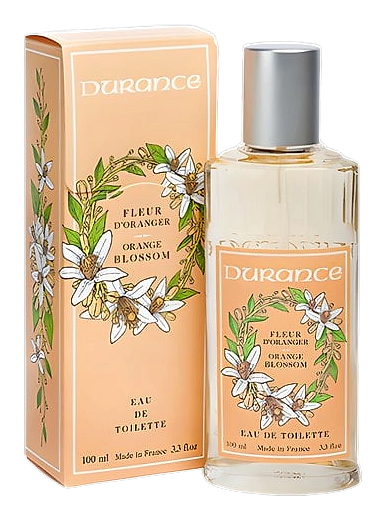
The Durance family set up their perfume house in the village of Grignan, perched at the foot of the Château de Grignan, in the heart of Provence. The location sits among truffle oaks, vineyards and lavender fields, a landscape that has shaped the brand’s identity from the start. Early records show the family began experimenting with local botanicals in the early 2000s, turning a modest workshop into a small production facility. By 2006 the house released its first commercial fragrance, L'Ome Sea Buckthorn, a scent that highlighted the region’s wild berries and signalled a commitment to natural ingredients. Over the next decade the catalogue expanded with releases such as Ancian Rosa (2007), Orange Blossom (2012), Verbena (2012), Lavender (2012), Camélia Blanc (2015) and Camélia Éclatant (2015). Each launch was accompanied by a modest press note that emphasized the use of locally sourced raw material and a hands‑on blending process. In 2017 the brand reached a catalogue of 46 distinct fragrances, according to third‑party fragrance databases, marking a period of steady growth without a shift toward mass production. Throughout its history Durance has remained a family‑owned operation, with successive generations overseeing sourcing, formulation and distribution, preserving the original ethos of place‑based creation.
Craftsmanship
Every Durance fragrance begins with a field visit. Growers in the Drôme and Vaucluse departments provide the house with lavender, rosemary, citrus peels and berries that have been harvested by hand. The raw material is transported to a modest laboratory in Grignan where a small team of perfumers, many of whom have apprenticed under senior family members, begins the extraction process. Cold‑press techniques are used for citrus oils, while steam distillation captures the delicate notes of lavender and rosemary. For more complex accords, the house employs maceration, allowing botanicals to steep in a neutral carrier for several weeks. Quality control includes blind testing by a panel of local artisans who assess balance, longevity and the fidelity of the scent to its source. Bottles are filled by hand in a cleanroom that meets EU cosmetic standards, and each batch is logged with a unique code that tracks the harvest year of the primary ingredients. The brand does not use synthetic musks or animal‑derived fixatives, opting instead for natural resins such as labdanum and ambergris alternatives derived from plant sources. This commitment to natural composition is documented in third‑party fragrance reviews that note the transparency of ingredient lists on the brand’s website.
Design Language
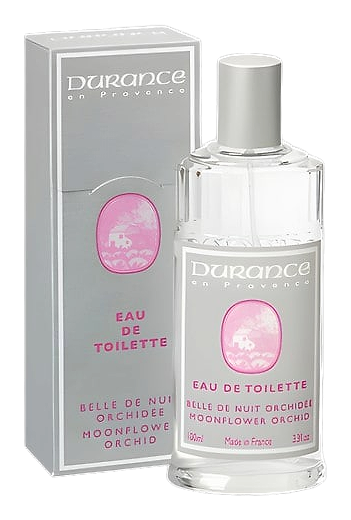
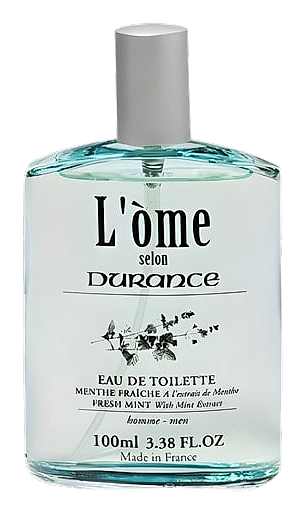
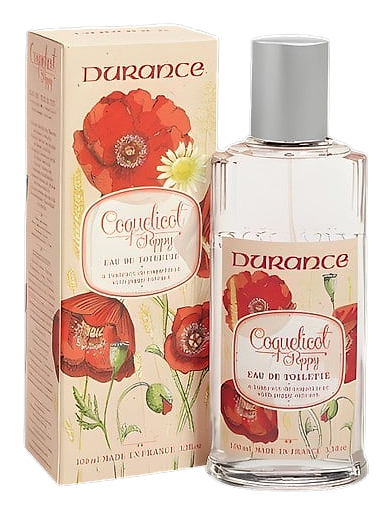
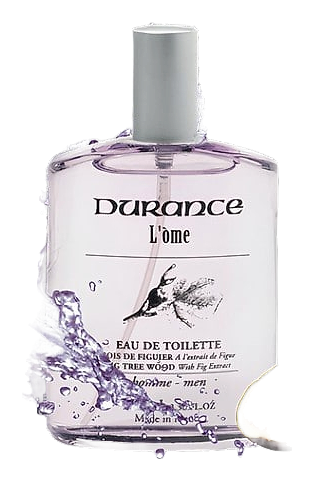
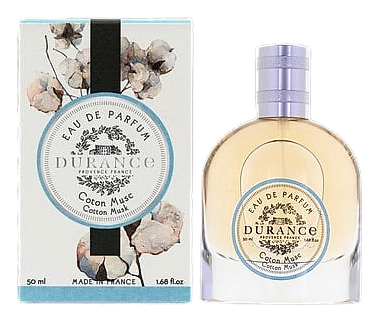
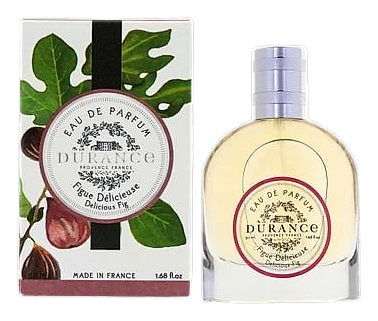
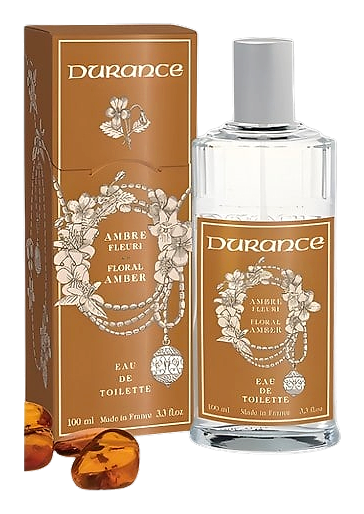
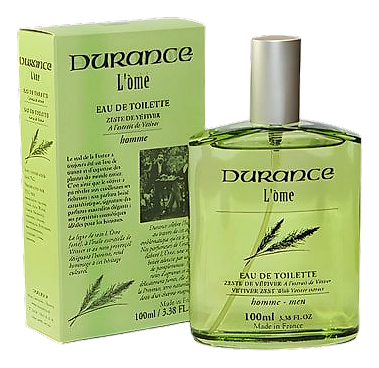
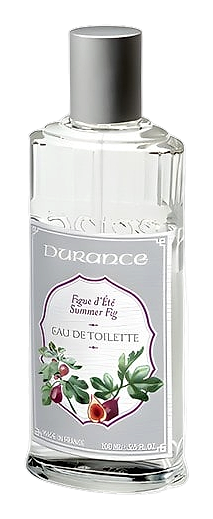
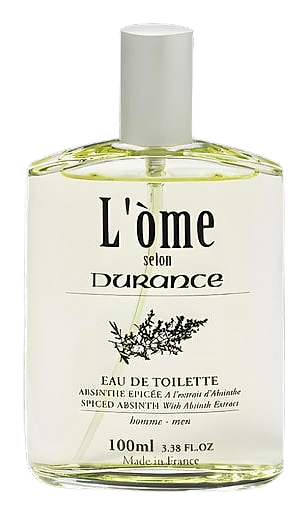
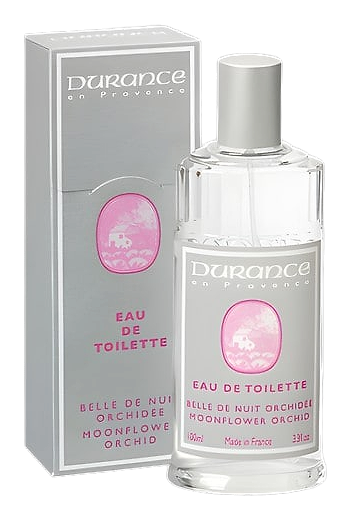
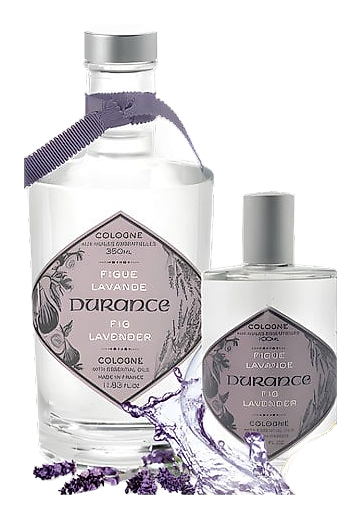
The visual language of Durance mirrors the simplicity of Provençal architecture. Bottles are clear glass with slender, matte‑finished caps that echo the stone shutters of rural homes. Labels feature hand‑drawn illustrations of the key botanical element, rendered in muted pastel tones that suggest sunrise over the hills. The typography is a clean sans‑serif, paired with occasional serif accents that recall vintage French signage. Packaging boxes are recycled kraft paper, printed with a subtle embossing of the Château de Grignan silhouette, reinforcing the brand’s connection to place. In retail displays the fragrances are arranged on reclaimed wooden trays, allowing the natural colour of each liquid to become the focal point. Marketing imagery often shows the scents beside the fields from which they originate, using natural light to highlight texture and colour. This understated elegance positions the brand as both contemporary and rooted in heritage, appealing to consumers who appreciate design that does not shout but quietly invites.
Philosophy
Durance frames perfumery as a dialogue between the Provençal landscape and the individual. The brand’s statements stress respect for the environment, a preference for ingredients that can be traced to a specific field or grove, and a belief that scent should evoke memory rather than merely impress. Rather than chasing trends, the house lets the season dictate its releases, allowing the scent of a blooming orange tree in spring or the crispness of sea buckthorn in autumn to guide composition. The creative team, though not publicly named, works closely with local growers to understand harvest cycles, ensuring that each ingredient arrives at the lab at peak aroma. This collaborative approach reflects a broader value system that places authenticity above commercial hype. The brand also supports small‑scale agricultural projects in the region, contributing a portion of its revenue to initiatives that protect biodiversity and maintain traditional farming practices.
Key Milestones
2006
Launch of the first commercial fragrance, L'Ome Sea Buckthorn, marking the brand’s entry into the market.
2007
Release of Ancian Rosa, the first rose‑centric scent, expanding the botanical palette.
2012
Three key fragrances debut – Orange Blossom, Verbena and Lavender – reinforcing the focus on seasonal Provençal blooms.
2015
Camélia Blanc and Camélia Éclatant arrive, showcasing the house’s ability to reinterpret classic floral notes with a modern twist.
2017
Catalogue reaches 46 distinct fragrances, according to independent fragrance databases, reflecting steady growth.
At a Glance
Brand profile snapshot
Origin
France
Release Rhythm


