The Story
Why it exists.
The beginning
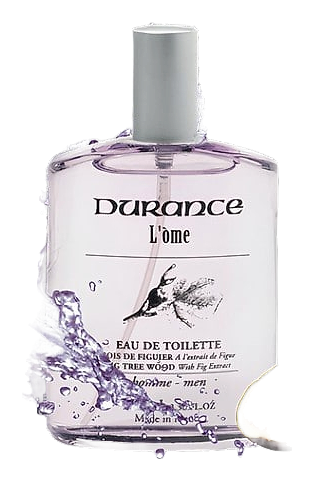
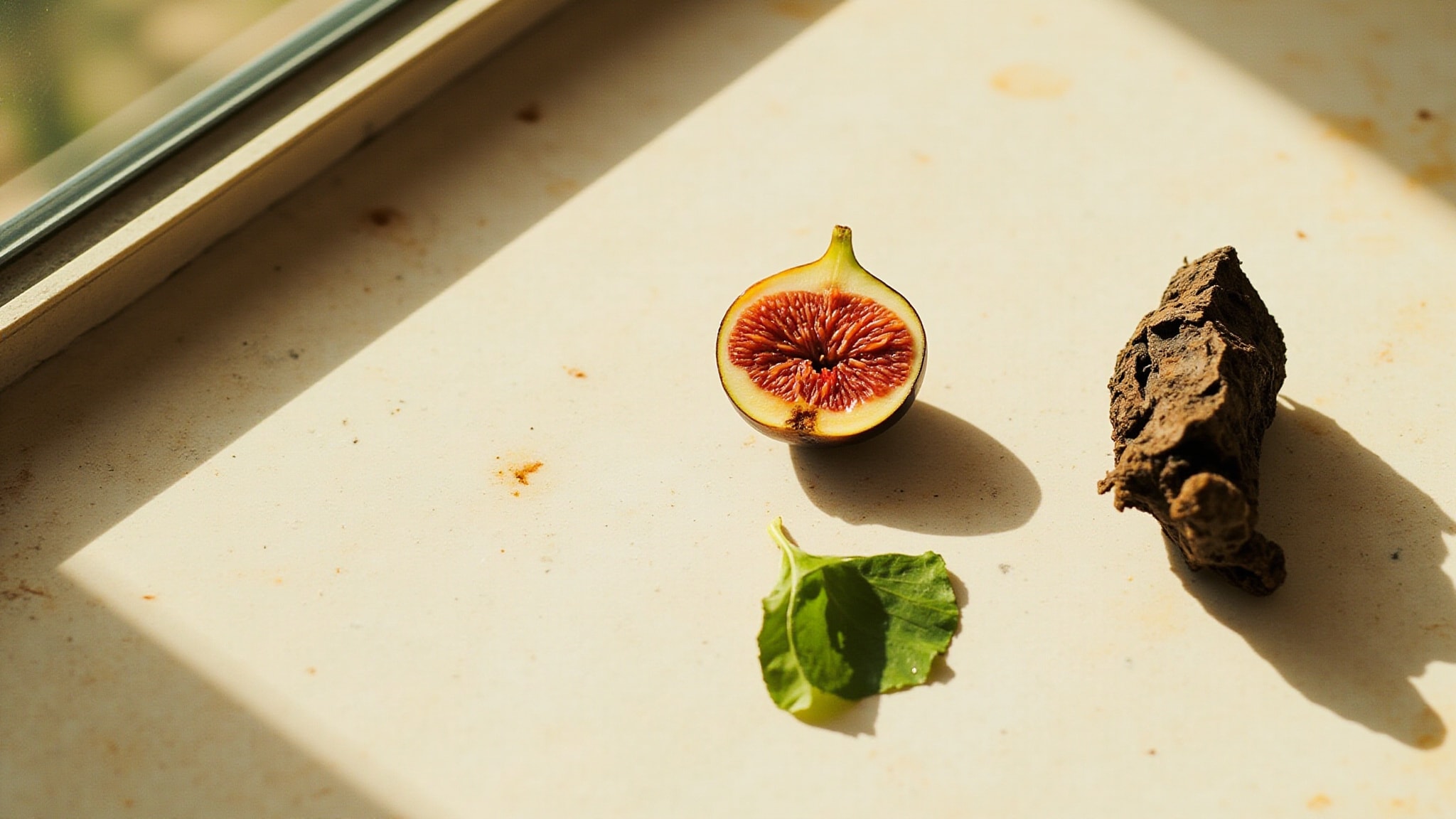
Fig Tree Wood takes its name from the landscape that defines Durance en Provence, the fig trees that grow alongside the lavender fields and truffle oaks surrounding Grignan. Unlike fragrances that reference fig as a concept, this one attempts to capture the entire tree: the green bite of the leaf, the lactonic sweetness of the fruit, and the warm, dry wood of the trunk. The 2012 release arrived as part of the L'òme collection, a lineup built around singular botanical ideas rather than elaborate constructions. The intent was straightforward, translate a specific Provençal moment into something wearable.
The composition is unusual in its restraint. Most fig fragrances lean into the fruit's sweetness from the start, building a warm, almost dessert-like impression. Fig Tree Wood begins with green, the sharp, dewy freshness of a crushed fig leaf, brightened by citrus. The lactonic quality of ripe fig doesn't arrive immediately; it develops gradually as the top notes recede. This delayed sweetness is what makes the fragrance feel like an experience rather than a statement. The woody base anchors everything, preventing the fig from becoming too creamy or linear. It's the difference between smelling a fig candle and standing under the actual tree.
The evolution
The opening announces itself quickly, citrus and fig leaf, a green freshness that reads almost as dewy. For the first ten minutes, the fragrance feels like morning light through foliage. Then the handoff begins. The citrus lifts, the green softens, and the lactonic quality of ripe fig emerges. This middle phase is where the fragrance reveals its personality, sweet but not heavy, creamy but grounded. The woody base arrives quietly, taking over without fanfare. By the hour mark, the scent has settled into warm bark and close skin. What remains is subtle: a dry, slightly resinous warmth that lingers another hour before fading entirely. On fabric, the drydown extends slightly longer. On warm skin, it compresses. Either way, it doesn't overstay, and that restraint is part of its appeal.
Cultural impact
Fig Tree Wood occupies a specific corner of Provençal perfumery, the fragrance for someone who finds richness in earth and tradition rather than trend or status. It has no direct competitors in its price range, though it shares territory with niche fig fragrances at significantly higher price points. Wearers describe it as the scent of a quiet afternoon, the kind that doesn't need to announce itself. The 2012 release remains available through specialty retailers and has developed a small but loyal following among those who prefer intimate sillage over projection. It's not a statement fragrance, it's a preference.