The Story
Why it exists.
The beginning
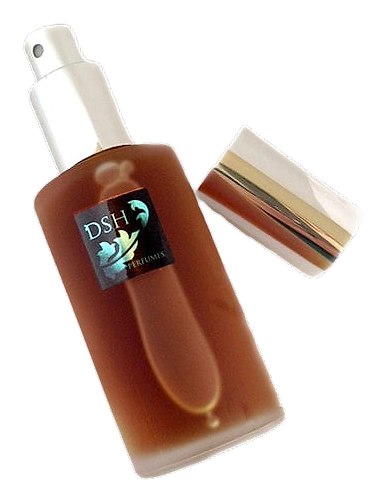
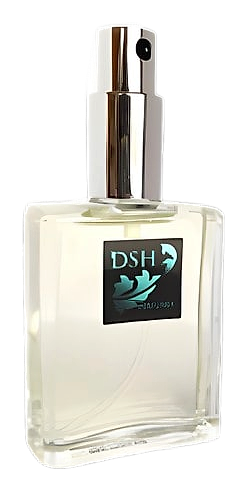
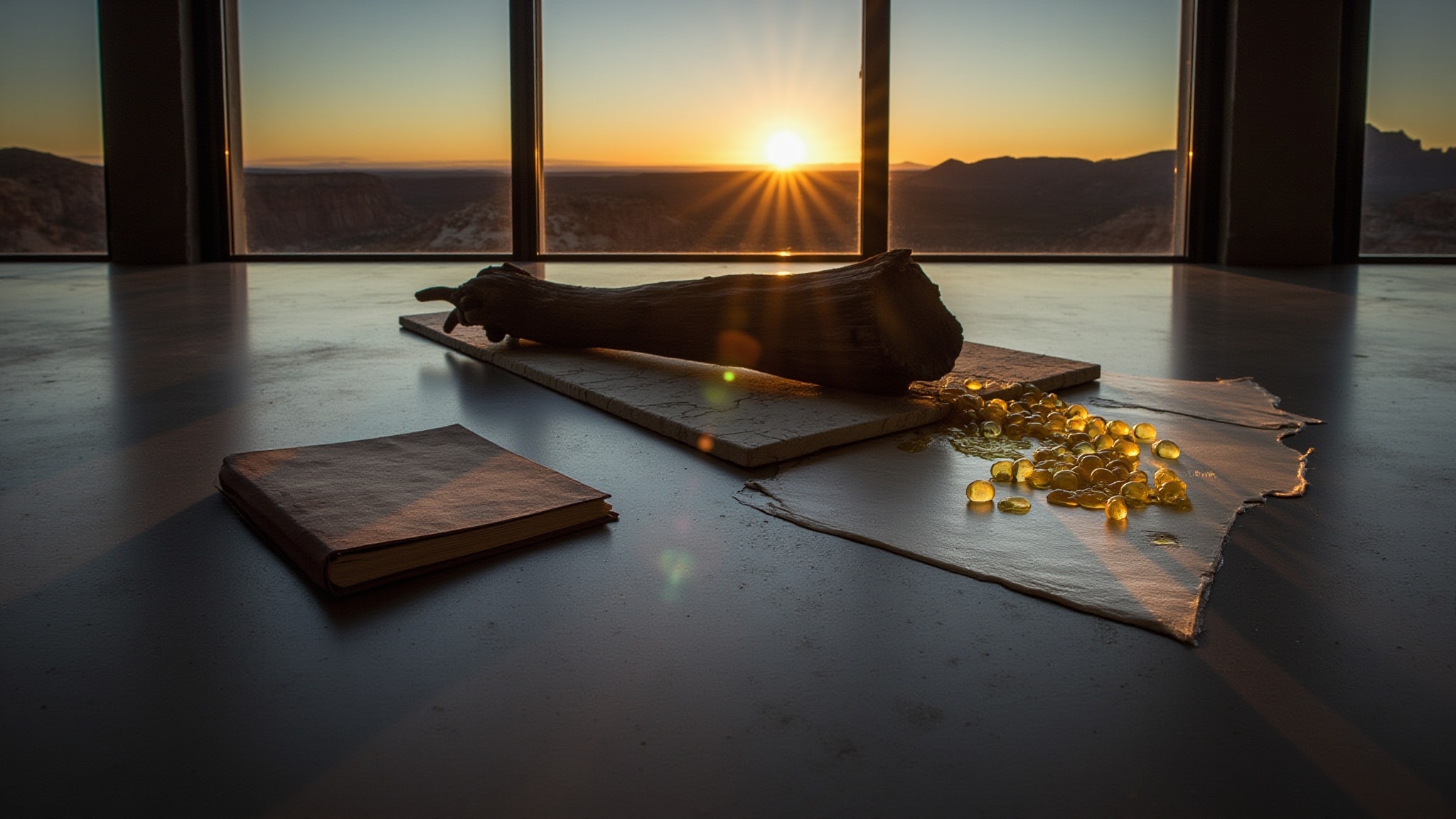
Rattlesnake Musk is the third chapter in DSH Perfumes' Out West MiniSeries, an homage to the wide-open sprawl of America's Southwest and the cartoon character Wile E. Coyote. Dawn Spencer Hurwitz composed it for the collector who thinks "animalic" is a dare, not a warning. Launched in 2022, it pulls no punches. Rattlesnake on the label means rattlesnake in the bottle: a rocky, sun-struck creature scented in leather and musk, indifferent to your comfort zone. This is not a fragrance designed to charm a dinner party. It's built to remind you that the American desert has teeth.
What's unusual here is the bluntness of the animalic materials. Hurwitz loads the formula with hyraceum (Africa stone tincture), castoreum, and ambergris alongside Bulgarian rose absolute and a snakeskin accord. The galbanum cuts through everything with a sharp, resinous clarity, its green bitterness slicing into the warmer base notes before they have a chance to settle. Costus adds a sweaty, root-beer warmth that makes the leather feel lived-in rather than coated, the kind of leather that has absorbed years of dust and sweat.
The evolution
The first spray hits like a struck match against green wood. Galbanum and costus dominate, all bitter sap and dry root, with a faintly metallic edge that reads more mineral than floral. Within 15 minutes the rose absolute surfaces, not as a flower but as something darker, almost fermented, pressing against the leather and Virginia cedar in the heart. The snakeskin accord arrives next, a dry, scaly warmth that doesn't smell like an animal so much as the place an animal rested. By the 2-hour mark the oud and sandalwood have merged into a creamy, smoky bed underneath the castoreum, which never fully disappears. It just gets more honest. What follows is a long, deliberate fade where each material relinquishes its grip slowly, one note at a time.
Cultural impact
Rattlesnake Musk arrives with a distinctly Southwestern accent, drawing on animalic materials rooted in a long tradition of perfumery that stretches back centuries. Hurwitz builds on that lineage by swapping the usual floral scaffolding for something harder and more specific: galbanum's green bitterness, costus's rooty warmth, leather that feels cracked and sun-baked. Where classic European animalics often lean on civet or musk deer for their carnal punch, this composition reaches for hyraceum, castoreum, and ambergris, each one carrying its own desert-adjacent associations. The rattlesnake framing makes the geographic specificity explicit.