The Story
Why it exists.
The beginning
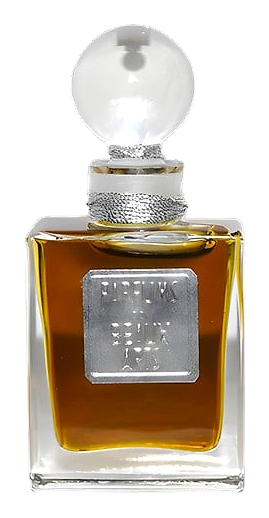
Épices d'Hiver arrived in 2009 from Dawn Spencer Hurwitz, an independent perfumer working in the Colorado foothills. The concept: winter as a sensory study. Spices and resins that feel like coming inside from the cold. Hurwitz had spent years working with botanical materials, absolutes, essential oils, tinctures, approaching fragrance the way a visual artist approaches a canvas. Every material was a pigment. Every blend, a quiet study in aroma rather than a commercial statement. Épices d'Hiver was her answer to the question of what winter smells like when you translate it into botanical form, warm, opulent, and sensuous, but filtered through restraint rather than excess.
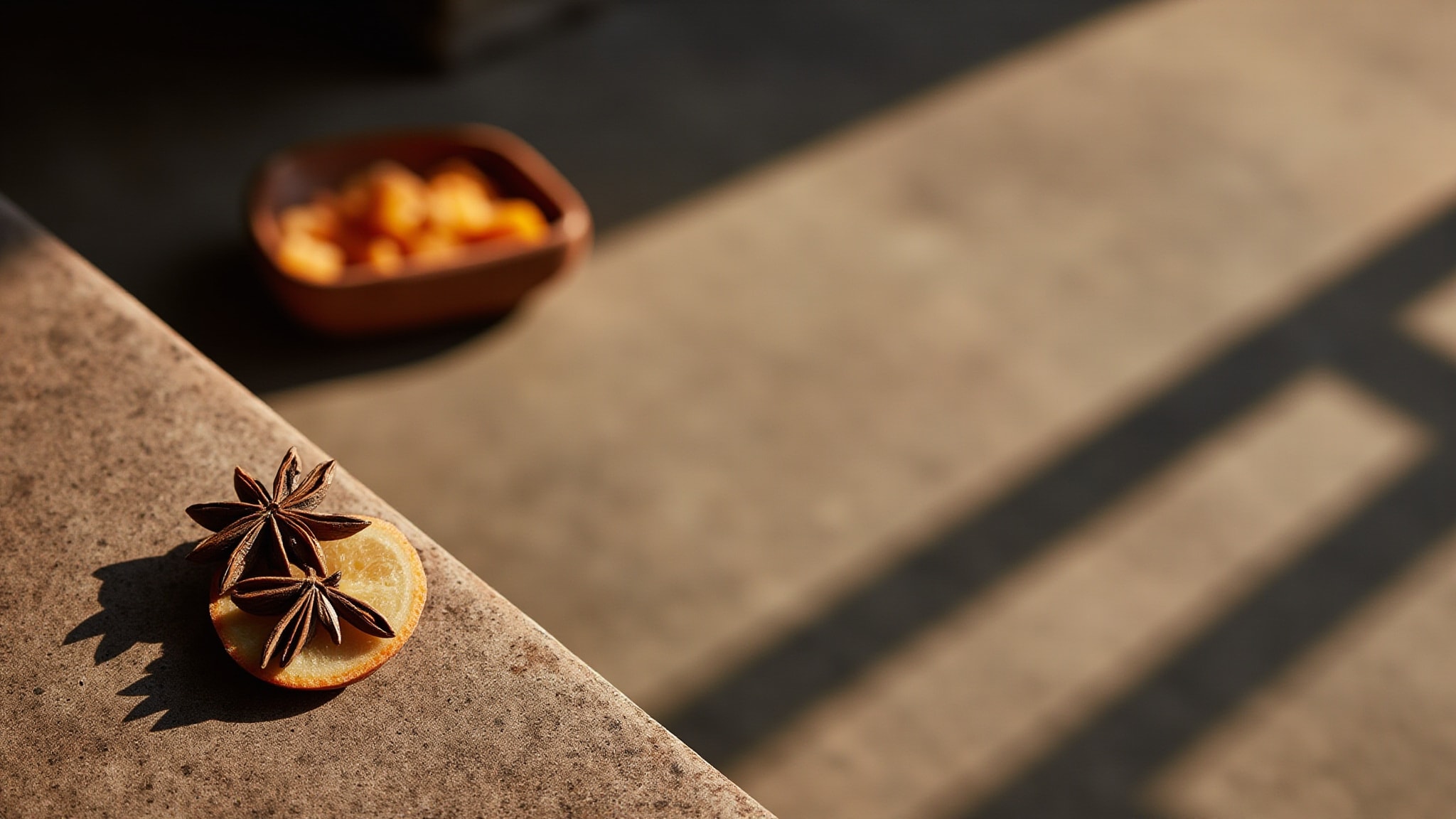
The pyramid here is unusual for a winter spice. Most oriental-spicy fragrances lean heavily on synthetic amber molecules for their warmth. Épices d'Hiver builds that warmth from actual vanilla absolute, Siam benzoin, and tolu balsam, natural materials that carry a softness and a slight tartness that synthetics struggle to replicate. The davana in the top is an interesting choice: less common than orange or cinnamon, it brings a slightly medicinal, herbal quality to the opening that keeps the initial spice from reading as purely sweet. Combined with star anise and pink pepper, the top is more complex and less immediately identifiable than a standard cinnamon-clove winter fragrance.
The evolution
The opening announces itself immediately: a bright, almost effervescent burst of citrus spice. Bergamot, bitter orange, and davana lift the top while pink pepper and star anise add a quiet complexity. The coriander seed is subtle, a faint herbaceousness that keeps the spices from cloying. Within 20 minutes, the heart takes over. Cinnamon and clove assert themselves, but they're softened by Moroccan rose absolute and jasmine, the florals don't overwhelm, they temper. The transition feels almost cola-like in its spiciness, a quality one reviewer compared to Egoiste or Youth Dew in miniature. By the third hour, the base arrives and the fragrance shifts character entirely. The spice recedes and the botanical amber emerges, vanilla absolute, benzoin, tolu balsam, and Arabian myrrh layered into a warm, resinous drydown that reads as both sweet and slightly sour, like the air of a room where incense has been burning for an hour. This is where Épices d'Hiver earns its keep. The drydown is intimate and long-lasting, on fabric it can linger into the next day.
Cultural impact
Épices d'Hiver sits within the indie niche movement of the late 2000s, when American independent perfumers were building their own vocabulary outside the commercial mainstream. DSH Perfumes, with its aromatherapy roots and botanical focus, attracted collectors who wanted transparency in materials and something that felt studied rather than produced. The 2009 launch positioned the fragrance alongside a growing wave of artisanal natural perfumery in the United States.