
The Story
Why it exists.
The beginning
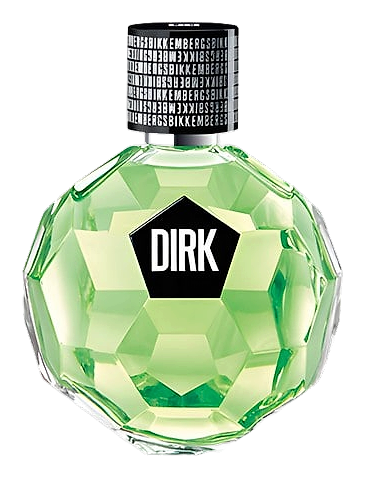
The Belgian designer built his identity on sport couture, athletic elements fused with tailored construction. When the house finally entered fragrance, nearly three decades after its 1989 founding, the mission was clear: bottle the values and intensity of the modern football hero. The Dirk fragrance launched in 2016 as the house's first men's scent, translating that athletic ethos into something worn on skin rather than displayed on a runway. This was sport couture in liquid form, for men who move between pitch and tailored trouser with the same natural authority. The bottle itself drew from stadium architecture: faceted glass that caught light like a football under floodlights, finished in the light green of grass under floodlight. It was the house's sport couture identity made tangible, geometry, movement, athletic precision, translated from garment to flacon. Nearly three decades is a long time to wait.
The fragrance's structure is classic fougère, aromatic, slightly animalic, built around a lavender-geranium axis. But Dirk modernizes the template with an apple-forward opening that takes the genre into contemporary territory. The addition of pink pepper and bergamot keeps the top bright and crisp, avoiding the dusty, powdery quality that can date a fougère. The tonka bean in the heart brings warmth and sweetness that softens the athletic structure without undermining it. The base is where the football reference becomes literal: leather, benzoin, and vetiver evoke the smell of a locker room, equipment bags, worn shin guards, the sticky warmth of closed-in space.
The evolution
Apple arrives fast. Crisp, green, sharp enough to cut through. Pink pepper flickers underneath, not heat, just a lift. Bergamot keeps it bright, holds the whole thing open. The apple retreats to a skin-level whisper within thirty minutes. Geranium comes in quiet. Neither green nor floral, more like a jersey straight out of a sports bag, warmth woven into synthetic fabric. Orange blossom adds a creaminess underneath, almost powdery. Tonka bean arrives like a timeout. Warm, sweet, slightly vanillic. It tempers everything, makes the geranium less athletic, more intimate. The heart lingers two hours before handing off. The drydown is where leather finally announces itself, not the cold kind from a jacket, but the worn-in smell of equipment bags left in a locker room. Benzoin gives it a sticky warmth, balsamic, almost syrupy. Musk sits clean and animalic underneath. Then vetiver. Dry, slightly smoky, earthy. The base stretches three to four hours, becoming a skin scent you catch yourself, a memory of sport, softened by time.
Cultural impact
Dirk's football hero positioning targeted a specific masculine archetype, men who move between pitch and tailored trouser with the same natural authority. It was sport couture translated into fragrance, arriving at a cultural moment when athletic leisure was becoming the dominant masculine dress code. For a fragrance to succeed on those terms, it needed to feel earned rather than cosmetic. Dirk's moderate performance kept it approachable but also kept it from becoming a statement piece. The house had been in fashion for nearly three decades before launching this scent; the fragrance's identity was always going to be secondary to the wearer's.