The Story
Why it exists.
The beginning
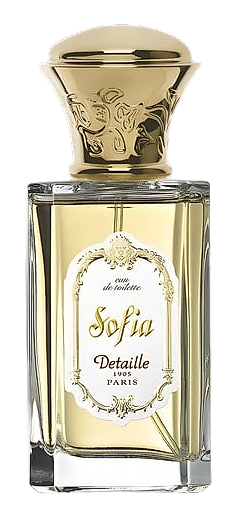
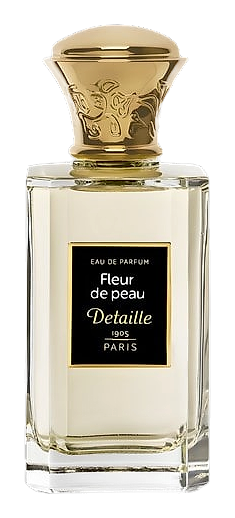
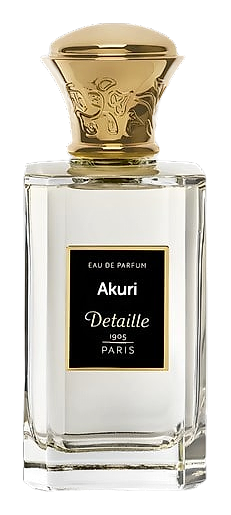
Akuri arrived in 2015 as a quiet counterpoint to louder releases in Detaille's catalog. The house, established in Paris since 1905, has never chased volume. Akuri was conceived as an exploration of tenderness, that specific quality of softness between vulnerability and strength. The brief was deceptively simple: capture the moment when freshness becomes delicacy. What emerged was a fruity-musky floral that doesn't announce itself. It arrives. It stays. The name itself suggests this restraint, a quiet breath, not a declaration.
The most interesting thing about Akuri's structure is the dialogue between modern and classic. Lychee brings that contemporary, slightly aquatic sweetness, the kind you'd find in synthetics developed in the last twenty years. But the heart leans heavily on lily of the valley, lilac, and peony, materials with a longer history in French perfumery. This isn't an accident. The white musk base does something similar: it bridges the synthetic and the natural, creating a powdery finish that reads as both modern and timeless. It's the kind of composition that rewards sitting with rather than spraying and walking away.
The evolution
The first twenty minutes belong to the citrus-fruity opening. Bergamot and raspberry arrive together, the raspberry reading more like a suggestion than a statement. Then lychee takes over, bridging the top and heart with its watery sweetness. Around the forty-minute mark, the flowers begin their slow takeover. Lily of the valley rings first, that clean, almost green chime, before lilac and jasmine join. The rose is subtle, more structural than showy, supporting rather than starring. By hour two, the composition settles into its powdery register. White musk becomes the foreground; the florals recede to background warmth. Patchouli appears late, an earthy anchor that keeps everything from floating away entirely. At hour six, on fabric, a ghost of the drydown lingers, clean, soft, the suggestion of flowers rather than the flowers themselves.
Cultural impact
Akuri lives in a specific corner of the market: women who want delicate florals without the aldehydic intensity of classic 1980s compositions, but without the synthetic sharpness of mass-market fruity florals either. It's not trying to compete with the blockbusters. It's for the wearer who builds meaning through personal ritual and quiet curation, someone who would rather have three considered scents than fifteen trend-driven ones. Detaille's audience tends toward the self-authored life: people who don't need external validation of their choices.