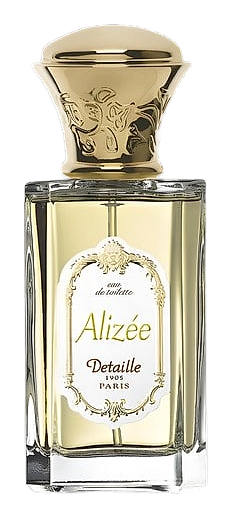
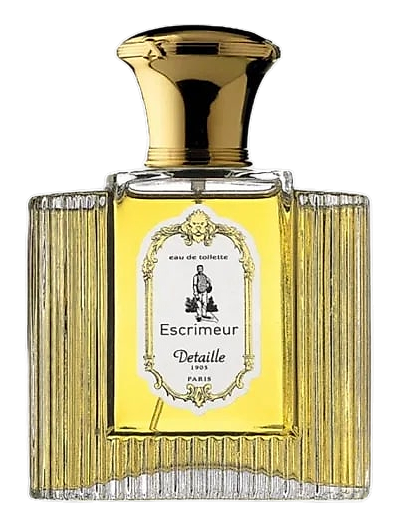
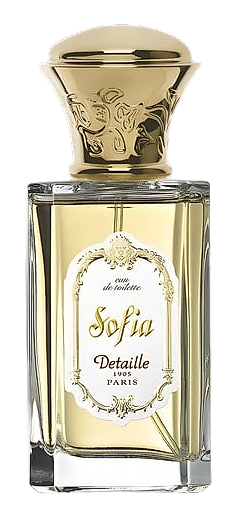
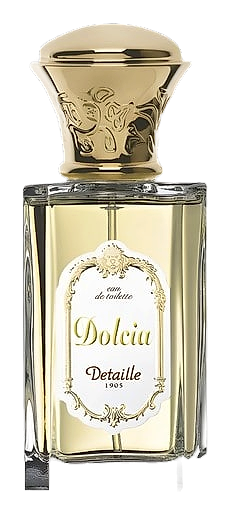
The Heritage
The Story of Detaille
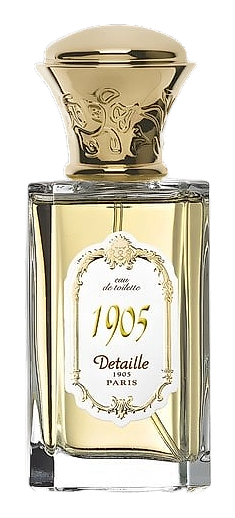
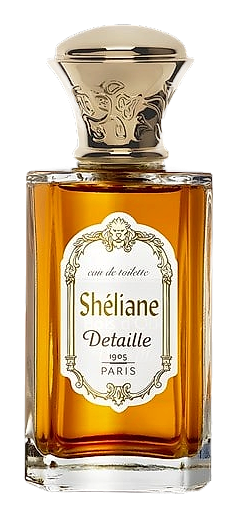
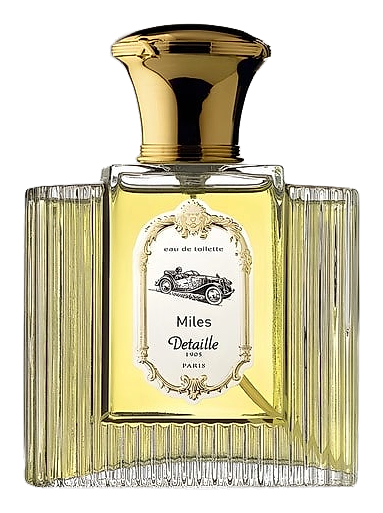
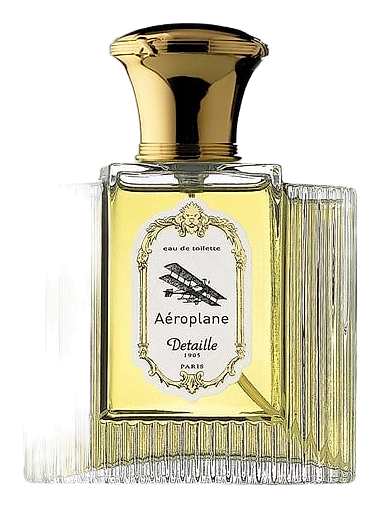
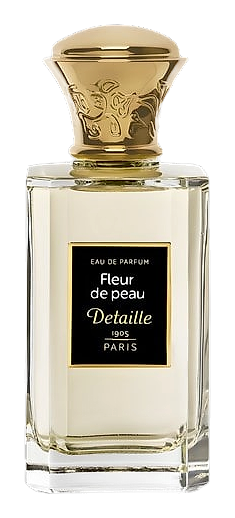
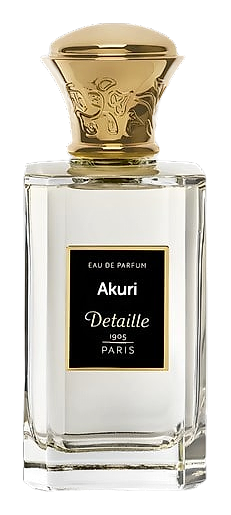
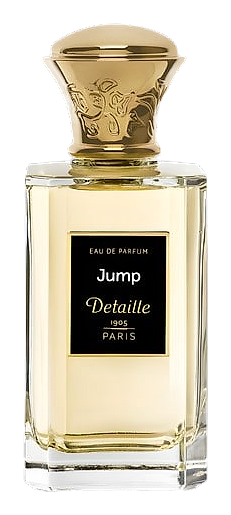
Detaille is a French niche perfume house that emerged in the early twentieth century and has kept a quiet presence among fragrance connoisseurs. Based in Paris, the brand offers a modest catalogue that includes Jump (2016), Fleur de Peau (2014), Akuri (2015) and the eponymous 1905. Each scent is presented as a vignette of a particular moment or feeling, inviting the wearer to explore a personal narrative. Detaille avoids loud marketing, instead letting the compositions speak for themselves in intimate boutique settings and on a curated online platform.
Heritage
The house was established in 1905 in Paris by members of the Detaille family, who had previously worked as chemists for the French textile industry. Early records show the family opened a small laboratory on Rue de la Paix, where they began producing scented soaps and modest eau de toilettes for local clientele. By the 1920s the workshop expanded to include a line of garden-inspired fragrances that referenced the Art Nouveau movement, a style that still informs the brand's visual language. During World War II the Detaille atelier shifted production to medicinal balms and antiseptic tonics, a pivot that kept the business afloat while many luxury houses closed. After the war, the family returned to perfume, re‑launching classic scents and introducing new accords that reflected post‑war optimism. The 1990s saw a generational handover; the third‑generation owner, Pierre Detaille, opened the brand to collaborations with independent perfumers, a practice that broadened the olfactory palette without abandoning the house’s historic roots. In 2005 Detaille celebrated its centenary with a limited edition fragrance called 1905, a nod to its founding year and to the original laboratory’s copper stills. The following decade brought a series of modern releases – Fleur de Peau (2014), Akuri (2015) and Jump (2016) – each framed as a contemporary reinterpretation of the house’s Belle Époque sensibility. Recent years have seen the brand deepen its commitment to sustainable sourcing, establishing a small partnership with growers in Grasse for organically cultivated jasmine and rose. While Detaille remains a boutique operation, its archives now include over a hundred formulations, many of which are still produced using the same copper distillation equipment installed in the early 1900s.
Craftsmanship
Production at Detaille takes place in a modest atelier that combines historic equipment with modern quality controls. Natural extracts such as jasmine, rose and bergamot are sourced from certified growers in Grasse and the Côte d'Azur, while synthetic aroma chemicals are selected from suppliers that meet REACH standards. Each batch begins with a maceration phase in which raw materials steep in alcohol for several weeks, a technique that dates back to the house’s early days. After maceration, the mixture undergoes a low‑temperature distillation in copper stills, a process that preserves volatile top notes and contributes to the signature smoothness of Detaille’s scents. The resulting concentrate is then aged in oak barrels for a period that varies by fragrance – from three months for lighter compositions to up to a year for richer, amber‑based creations. Quality assurance includes blind olfactory testing by a panel of senior perfumers and sensory analysts, ensuring consistency across batches. Bottling is performed by hand in a nearby glassworks that supplies artisanal perfume bottles to several French niche houses. Each bottle is sealed with a waxed cork and wrapped in recycled paper, reflecting the brand’s commitment to minimal environmental impact. The entire workflow is documented in a ledger that traces each ingredient to its origin, a practice that began in the 1920s and continues to satisfy both regulatory requirements and the house’s own standards of traceability.
Design Language
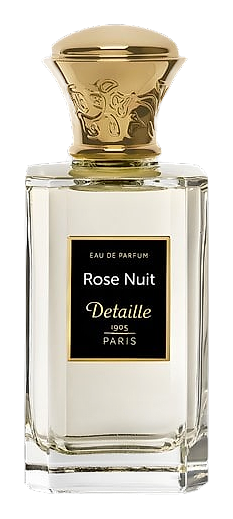
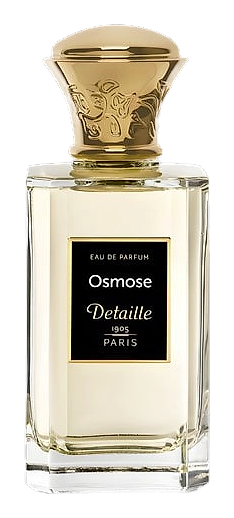
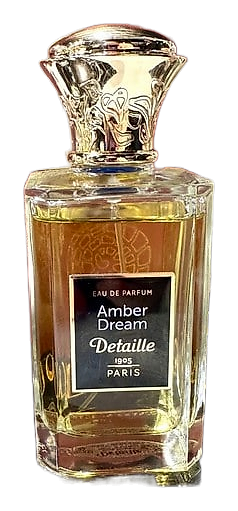
Detaille’s visual identity draws heavily on the elegance of the Belle Époque era, yet it is rendered in a contemporary, minimalist fashion. The brand’s logo features a stylized monogram of the letters D and L, set in a thin serif typeface that echoes early twentieth‑century signage. Bottles are typically clear glass with slender, elongated necks, allowing the colour of the perfume to become the focal point. Caps are crafted from brushed aluminum or polished pewter, materials chosen for their understated sheen. Labels are printed on matte ivory paper, with the fragrance name rendered in a modest, all‑caps font that sits just above a faint decorative border reminiscent of Art Nouveau motifs. Packaging boxes employ a soft, muted palette – cream, sage, and muted rose – and are wrapped in a textured, recycled cardboard that feels substantial without being ostentatious. The overall aesthetic communicates a quiet confidence: the design does not shout, but it invites the viewer to pause and appreciate the subtle details. In retail displays, Detaille often pairs its bottles with vintage photographic prints of Parisian streets, reinforcing the narrative link between scent and place.
Philosophy
Detaille’s creative vision rests on the idea that perfume should capture a precise instant rather than a broad trend. The house describes its approach as a dialogue between history and the present, where each new composition is built on a foundation of classic French techniques while allowing room for contemporary interpretation. Values such as craftsmanship, discretion and respect for raw materials guide every decision, from ingredient selection to packaging. Rather than chasing novelty for its own sake, Detaille seeks to translate personal memories – a Parisian rainstorm, a vintage cinema marquee, the scent of a freshly opened book – into aromatic form. The brand also emphasizes transparency; ingredient lists are published on the website and the sourcing of botanicals is traced back to specific farms whenever possible. This openness reflects a broader commitment to ethical practices, including low‑volume production that reduces waste and supports local artisans. In interviews, the creative director has spoken about the importance of restraint, noting that a well‑balanced fragrance often reveals its layers only after several hours on the skin, encouraging a slower, more mindful experience.
Key Milestones
1905
Detaille founded in Paris by the Detaille family, opening a small laboratory on Rue de la Paix.
1942
During World War II the house pivots to producing medicinal balms and antiseptic tonics to sustain operations.
1990
Third‑generation owner Pierre Detaille assumes leadership and begins collaborations with independent perfumers.
2005
Centenary celebration with the limited edition fragrance 1905, referencing the original copper stills.
2014
Launch of Fleur de Peau, a modern reinterpretation of classic French floral accords.
2016
Jump released, inspired by the energy of 1960s Parisian nightlife.
At a Glance
Brand profile snapshot
Origin
France
Founded
1905
Heritage
121
Years active
Release Rhythm


