The Story
Why it exists.
The beginning
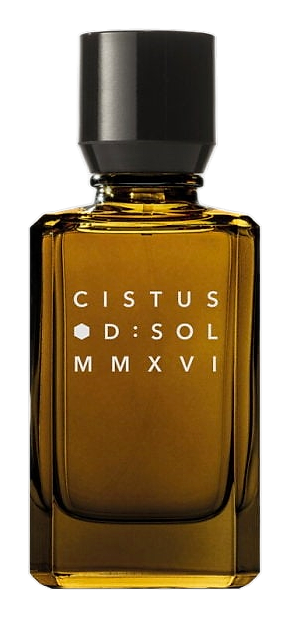
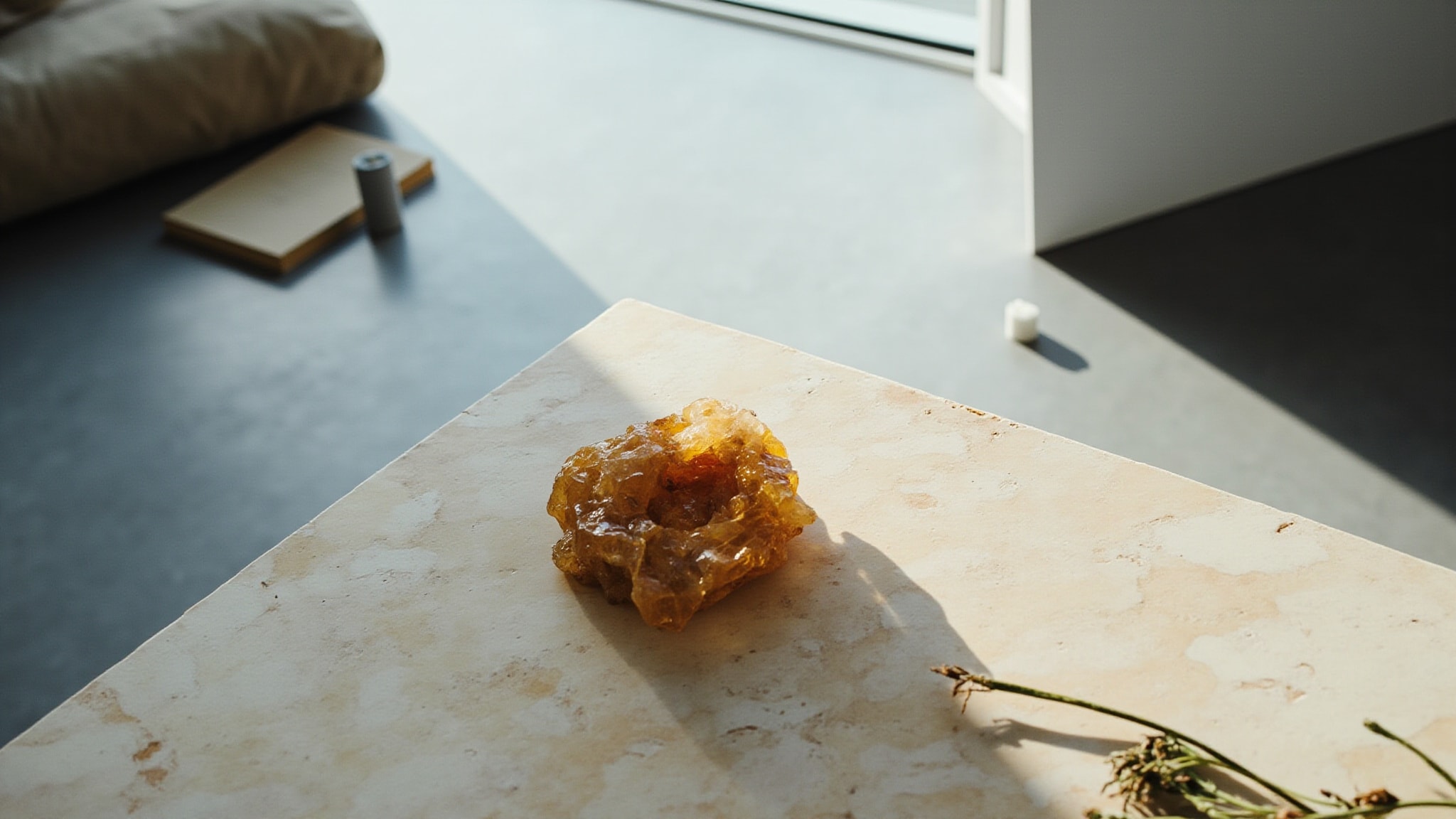
Cistus joined D:SOL MMXVI's Alma Kollektion in 2024, inspired by the rock rose plant whose resin has perfumed sacred rites since antiquity. The shrub clings to Mediterranean hillsides, and that environment permeates the composition from the first spray. Thierry built the scent using cistus absolute in the base notes alongside Turkish rose absolute in the heart, but the real anchor is the resin itself, labdanum, which has been harvested and burned for centuries. The fragrance carries the warmth of sun-baked scrubland and the herbal austerity of plants that survive on almost nothing. It reads less like a bouquet and more like a place: aromatic scrubland warmed by noon, the air carrying something both green and ancient.
What makes this composition unusual is its restraint. Labdanum is a heavy material, the kind that anchors a thousand heavier orientals, and pairing it with frankincense and ambergris could easily slide into incense-store territory. Thierry pulls back. Artemisia and buchu bring a cool, almost medicinal edge to the opening, while the Turkish rose absolute shows up as a whisper rather than a statement. The resins get space to breathe because nothing else is shouting.
The evolution
The first 15 minutes are the greenest the fragrance gets. Artemisia and buchu cut through with a herbal sharpness, the bergamot warming behind it like citrus left in a windowsill. The geranium sits at the edge, adding a faint rosiness without committing. Then the labdanum arrives, and the whole structure shifts. The sharp greens soften. The Turkish rose absolute surfaces, but it's not a rose you'd recognize in a garden, more like the memory of rose pressed into old paper. Around the 2-hour mark the resins settle into their long conversation: labdanum, frankincense, papyrus, that subtle saline pull from the ambergris. The drydown is where this fragrance earns its reputation. On a wool sweater at the end of a long day, it's still there, warm and slightly sweet, with papyrus giving it a dry, almost papery edge that keeps it from turning syrupy.
Cultural impact
Cistus occupies an interesting space among modern niche fragrances that lean into resinous, plant-forward compositions. Its reliance on labdanum as a structural element connects it to a long lineage of incense-inspired scents, though the execution here stays firmly in contemporary territory. The Turkish rose absolute in the heart adds a dimension that bridges classical perfumery with the more austere, naturalistic trends gaining traction in the niche world. Papyrus and frankincense deepen the resinous profile without pushing it into overtly liturgical territory.