The Story
Why it exists.
The beginning
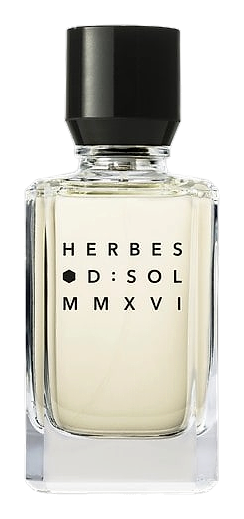
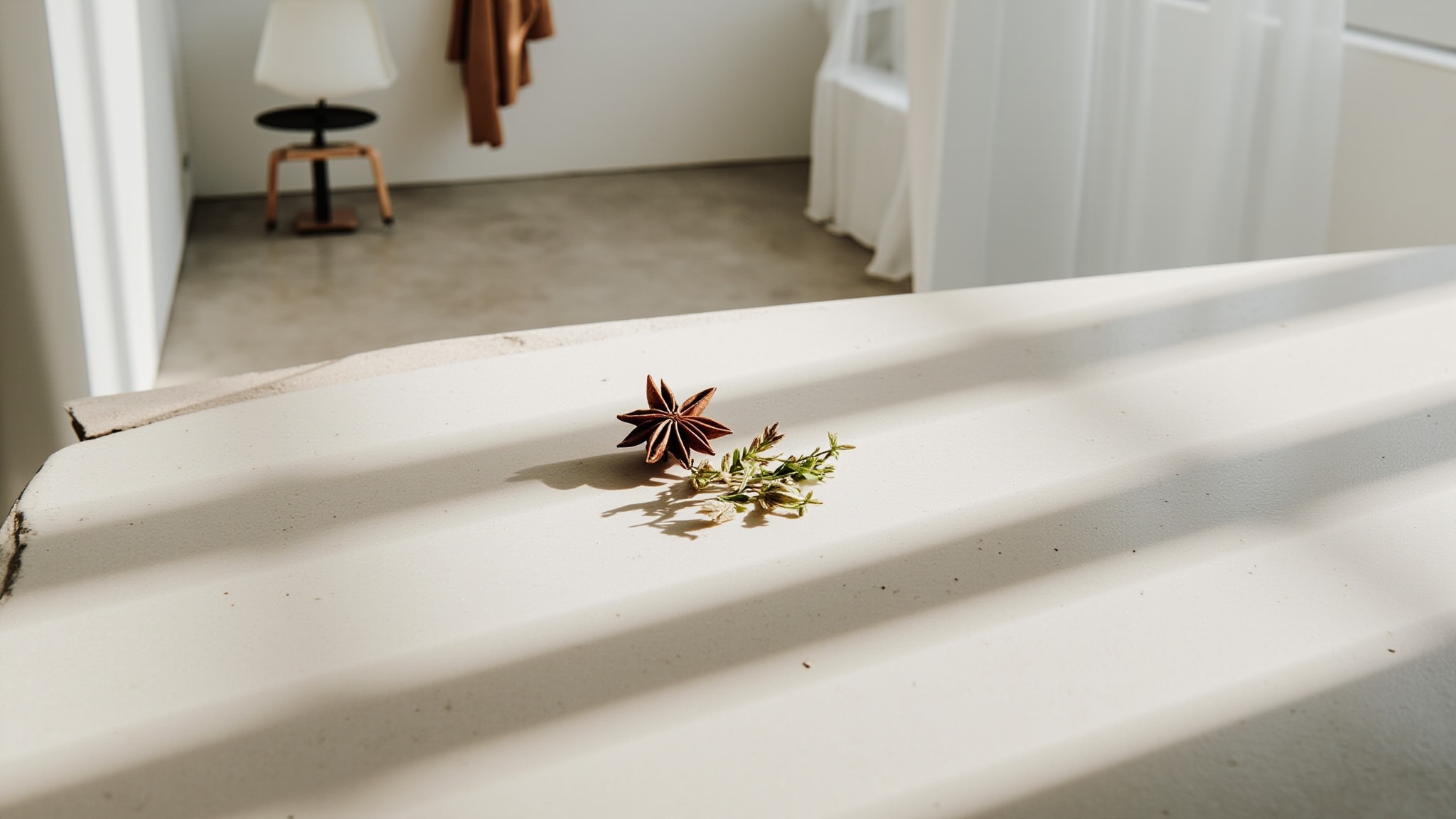
HERBES was composed by Marie Urban Le Febvre for a brand. The brief: capture Mediterranean wild herbs, the kind that grow untended between stone walls and coastal paths. Mint and star anise gave the composition its unusual edge. Not rosemary and sage. Something sharper, stranger. The yellow florals arrived to soften the herbs into something wearable, intimate, close to the skin. The combination creates a cool, aromatic presence that feels both fresh and complex. The fragrance takes wild herbs and makes them feel personal, something that settles against the skin rather than simply existing in the surrounding air.
Star anise appears in the top notes of this composition, alongside mint. The combination of mint and star anise creates a cool-yet-warm tension that gives the fragrance its distinctive character. As the top notes settle, cedarwood and sandalwood arrive in the drydown. Underneath, the powdery accord, mimosa, orange blossom, musk, provides a softness that makes the whole thing feel intimate rather than assertive. This is an herbal fragrance that avoids the linear quality often found in green scents.
The evolution
The opening hits with mint and star anise, cool and aromatic, slightly sweet. The citrus note brightens the surface. This phase remains sharp and clean. Then the heart arrives: orange blossom and mimosa emerge slowly, softening everything into a powdery warmth. A hint of tuberose adds depth beneath the green herbs, and this is where the fragrance becomes intimate rather than assertive. The transition isn't dramatic, it's a gradual softening, the herbs becoming background warmth. Cedarwood and sandalwood take over as the fragrance develops. Musk rounds the base into something powdery and skin-like. The drydown lingers, powdery, woody, with the anise note quietly persisting in the distance.
Cultural impact
HERBES explores the aromatic possibilities within Mediterranean botanical traditions. The fragrance incorporates star anise as a prominent top note alongside mint, an ingredient not typically associated with this regional style. This placement reflects an adventurous approach to herbal composition, expanding how aromatic profiles can unfold. The brand draws from historic relationships with aromatic plants, cultivated in kitchen gardens and wild coastal landscapes, translating these traditions into contemporary olfactory language.