
The Story
Why it exists.
The beginning
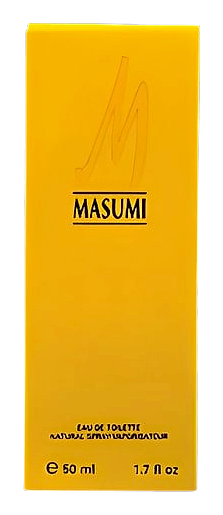
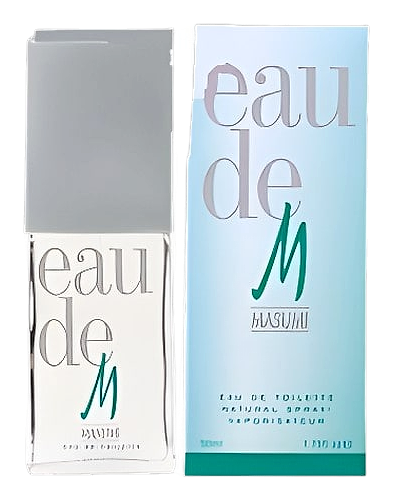
Eau Masumi arrived in 1967, a Coty creation that captured something specific about that moment in perfumery. The composition is thoroughly rooted in the French chypre tradition that Coty had helped define. Where most releases of the era stayed within familiar territory, Masumi leaned into complexity: an herbal sharpness at the top, a rose-heavy heart, and an oakmoss foundation that gave the whole thing weight. The result was a fragrance that felt considered rather than fashionable, an herbal-forward chypre that didn't sacrifice depth for accessibility. It rewards attention to its layers rather than making any single element do all the work.
What makes the structure interesting is that tarragon note. It's not a common choice for a chypre of this era, most houses worked with bergamot and citrus as their primary green signals. But tarragon brings something different: a slightly bitter, distinctly herbal quality that reads as natural rather than harsh in the opening, then softens as it warms against skin. Combined with coriander, it creates a green freshness that isn't fruity or floral, it's botanical, almost savory. The heart then pivots to something more familiar: jasmine and rose, with carnation adding a hint of spice.
The evolution
The opening announces itself quickly: bergamot and tarragon arrive together, the citrus bright and the herb slightly bitter. Coriander threads through, adding a faint warmth. This is the sharpest phase, where green intensity makes the rose feel earned when it finally arrives. The heart doesn't rush in. It takes its time, the jasmine and may rose appearing gradually alongside carnation's spice and a lilac note that adds powdery sweetness without becoming dominant. The oakmoss doesn't assert itself until the florals begin to quiet. Then it takes over, mossy, slightly animalic, the signature of every great chypre. The sandalwood and musk settle underneath, adding warmth and skin-close intimacy. On fabric, this fragrance lasts well into the evening. The drydown becomes quieter, more personal, a faint moss-and-rose trace that someone standing very close would notice.
Cultural impact
Eau Masumi occupies an interesting position in the chypre lineage. Coty spent decades refining and varying the structure that would become a template for countless fragrances. Masumi represents a later chapter: the 1960s interpretation of what a complex floral chypre could be. It's not revolutionary, but it's deeply considered. The fragrance offers an herbal tarragon note and a refusal to become either too sweet or too austere, standing as a distinctly Coty expression of the form. Those who explore its layers find a depth that rewards repeated wearing.