
The Story
Why it exists.
The beginning
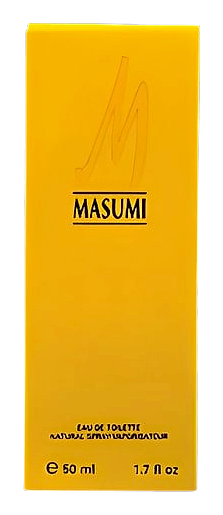
Masumi arrived in 1967, named for the Japanese concept of purity and unspoiled beauty. Coty's brief was clear: bring the Far East's sense of calm and serenity into a chypre structure that French perfumery had perfected decades earlier. The result was a cologne that smelled like a still afternoon, not a grand entrance.
What makes Masumi unusual is its restraint within a classic chypre framework. Most chypres lean into oakmoss and patchouli as a statement. Here, the moss is soft, almost powdery, and the cedar holds everything together without aggression. The cardamom in the heart is the quietest spice you could choose, aromatic but never loud. It's a composition that trusts the wearer to bring their own meaning.
The evolution
The opening arrives like morning light through thin curtains: rosewood and bergamot, bright but already soft. Pineapple and melon add a gentle sweetness that keeps it from feeling austere. Within twenty minutes, the violet and cardamom take over, floral and spicy, but restrained. The drydown is where Masumi earns its name. Cedar and sandalwood settle into a warm base, vanilla and amber add creaminess, and the oakmoss lingers close to the skin for hours. It doesn't project. It stays.
Cultural impact
Masumi sits quietly in Coty's archive, not a blockbuster, not a collector's holy grail, but a fragrance that certain wearers return to decade after decade. Its Far East inspiration was unusual for 1967, when French perfumery still looked inward. The cologne format suited it: lighter, more intimate, built for wearers who wanted presence without projection.