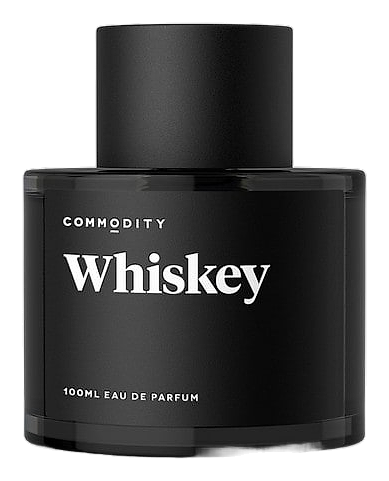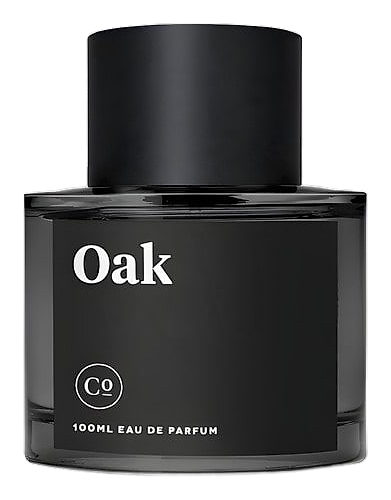

The Story
Why it exists.
The beginning
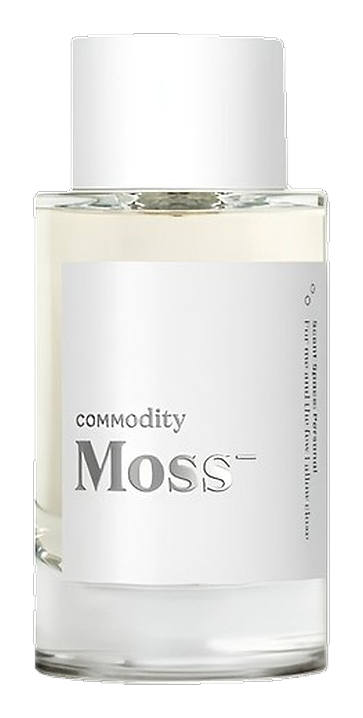
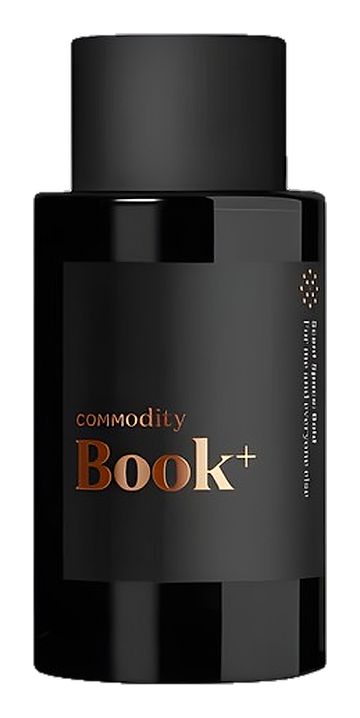
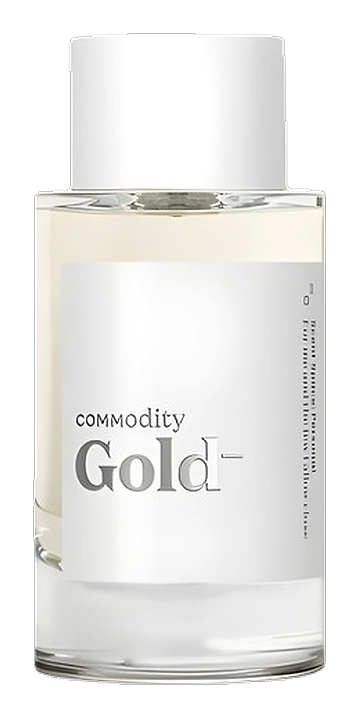
Oak launched in 2013 as part of Commodity's debut lineup, a collection built around a simple conceptual idea: each fragrance should be named after the thing it actually smells like. The result sits inside Commodity's catalog of elemental names, Milk, Gold, Book, Rain, Moss, each one a single word meant to capture the entire scent in a glance. Oak does exactly that. It smells like the thing it's named after, nothing more, nothing less. The composition treats wood as the core of the fragrance rather than burying it beneath layers of competing accords. Spice and citrus are layered in to give that central wood element context, brightness up top, warmth in the middle, and enough structure to keep the scent from collapsing into something flat.
What makes Oak structurally interesting is the balance between its spice-led opening and its deeply woody foundation. Bitter orange and Ceylonese cinnamon do the bright, warm work up top, but the composition's weight lives in the base: Haitian vetiver, oak wood, and Patchouli Orpur. The interplay between the warm, slightly piquant top notes and the cooler, drier base materials is what gives Oak its sense of architecture. Without the citrus-spice lift, the wood would feel heavy. Without the woody base, the spices would feel scattered.
The evolution
The first thirty minutes are dominated by bitter orange and cinnamon, bright and warm with a definite bite. The cinnamon leans toward the spicy, almost peppery side of Ceylon, not the sweet dessert variety. Then the frankincense arrives, bringing a resinous, slightly smoky quality that shifts the temperature. The heart settles into nutmeg and jasmine, an unexpected combination that keeps the composition from going too heavy. Jasmine here is subdued, more about adding a creamy texture than projecting as a white floral. After roughly two hours, the base takes over. Oak wood, Haitian vetiver, and Patchouli Orpur lock in. This is the phase the fragrance lives in for the remainder of its life on skin, a warm, woody, slightly earthy drydown that feels grounded rather than dense. The vetiver adds a clean, almost mineral edge that keeps the oak from turning ponderous.
Cultural impact
Oak fits within Commodity's early catalog of elemental, single-word fragrances, a naming convention that became one of the brand's most recognizable signatures. The wood-and-spice profile reads as a confident, unfussy take on masculine woody perfumery, the kind of scent that doesn't need to explain itself. Wearers tend to describe it as a cold-weather staple, something that works on its own without competing for attention. There's a directness to Oak that matches the simplicity of its name. It doesn't try to reinvent the woody category, and it doesn't reach for trends.