
The Story
Why it exists.
The beginning
Comme des Garçons launched the Series 7 collection as an ongoing exercise in olfactory territory-mapping, each edition a new question asked of the same experimental house. Burnt Sugar arrived in 2005 as part of the Sweet sub-series, the gourmand branch of an otherwise austere family tree. Where the incense editions explored smoke and sacred resins, the sweet branch tackled something more direct: what happens when sugar itself becomes the subject?
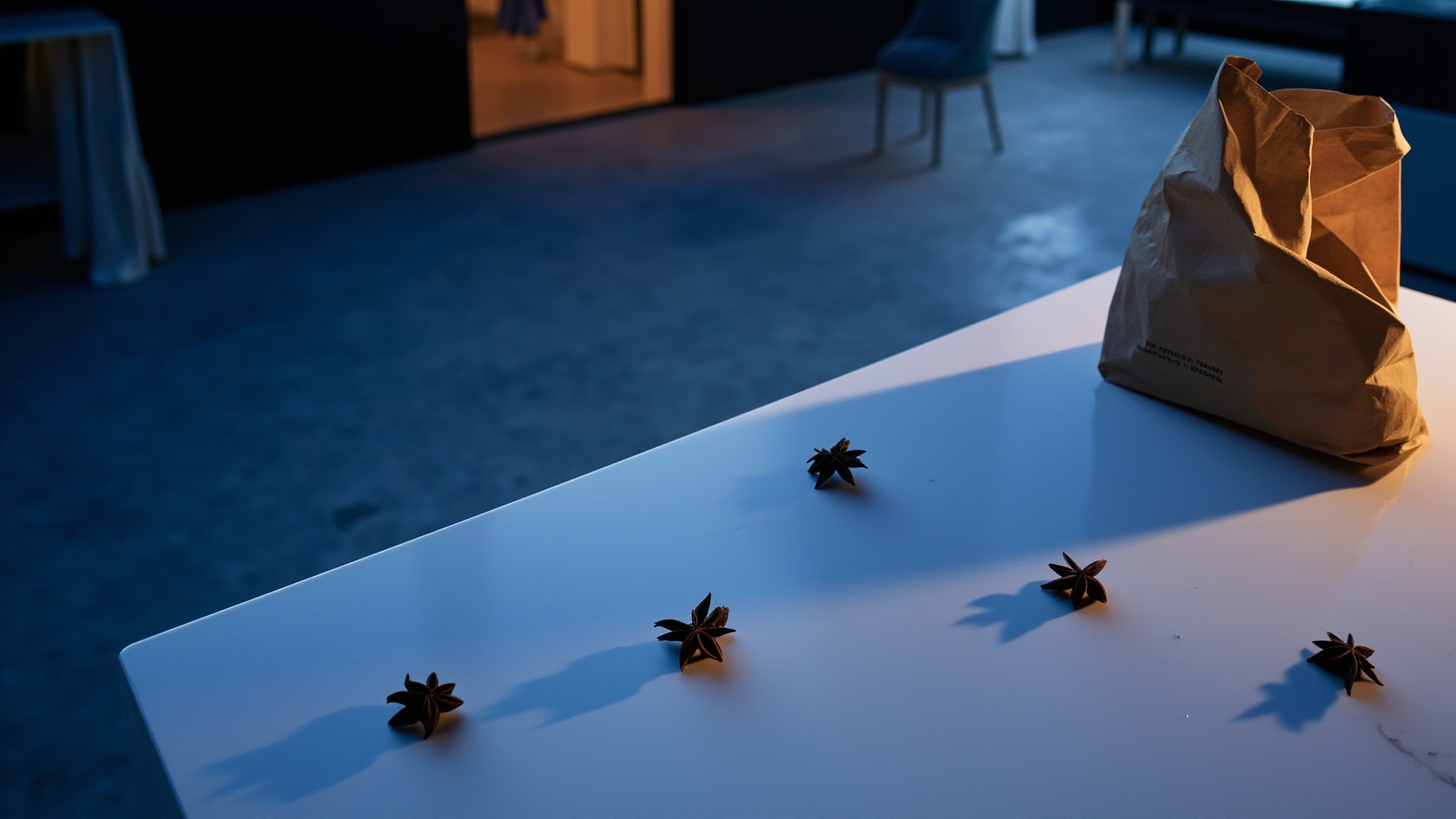
The name carries intention. Burnt sugar isn't a happy accident, it's controlled caramelization, heat pushed past comfort into something darker and more complex. That distinction matters. CdG didn't reach for the easy sweetness of vanilla or caramel, they went for the transformation itself, the moment sugar stops being sugar. The composition follows that logic. Star anise opens with a cool, almost medicinal sharpness. Orange blossom provides the floral counterweight without softness. Cinnamon adds heat. The result is a fragrance that announces its sweetness through contrast rather than volume.
The evolution
The opening hits with anise first, that cool, slightly bitter star anise that anyone who's had pastis or ouzo will recognize immediately. It doesn't wait for you to settle in. For the first twenty minutes, this fragrance is more spice than sweet, the sugar registers as warmth rather than smell, and there's a green, slightly sharp quality that cuts against expectations. Then the honey arrives. It doesn't rush. It builds quietly beneath the spices, golden and thick, and the jasmine adds a waxy white floral note that keeps the sweetness from becoming syrupy. By the second hour, the milk and vanilla take over, not childish, but soft. The kind of softness that stays close to skin. The anise never fully disappears. It lingers in the drydown like a memory of the opening, keeping the sweetness honest. On fabric, the milk-vanilla base can last into the next day.
Cultural impact
Part of the Series 7 Sweet collection, which ran alongside the better-known incense editions. The gourmand direction was a deliberate counterpoint to the house's austere reputation, CdG applying its analytical sensibility to dessert rather than church smoke. Discontinued but quietly collectible among CdG devotees, where it occupies a specific niche: the sweet fragrance for someone who doesn't trust sweet fragrances.