The Story
Why it exists.
The beginning
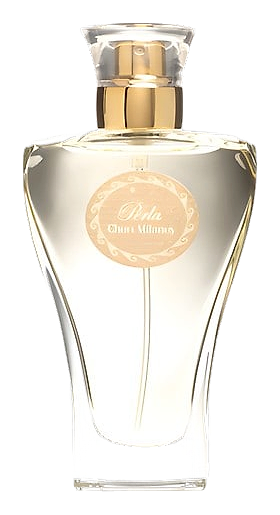
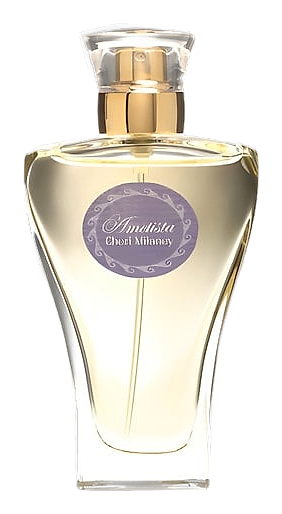
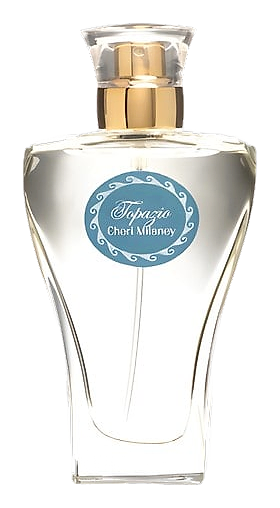
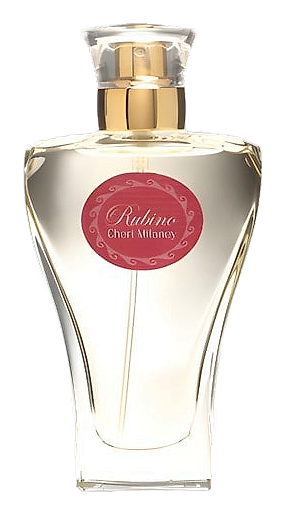
Rubino was born from direct collaboration. Milaney worked with a perfumer in Naples to develop a scent for the Facets Collection, four fragrances named after gemstones, each representing a different facet of Italian artistry. Rubino means ruby in Italian, and the name carries its intended weight: a gemstone-quality romanticism embedded into every layer of the composition. The dual rose note, white and red, was a deliberate romantic gesture, chosen not as a commercial safe bet but as a commitment to a specific mood. This is fragrance as characterization, not abstraction.
The rose structure is the structural interesting thing here. White rose and red rose don't simply double down on florality, they create a productive tension, the white rose's delicate cool against the red rose's deeper warmth. That contradiction makes the composition feel less like a standard floral and more like a conversation. The violet bridges the heart and base, giving it a seamless powdery quality rather than distinct phase changes. The result is intimate rather than expansive, a fragrance that reveals itself slowly, close to the skin, for someone wearing it for themselves rather than the room.
The evolution
The opening arrives quickly, white and red roses, clean and immediate. A metallic shimmer cuts through before the florals settle. The violet follows, wrapping everything in powdery softness. What makes it interesting: the rose doesn't fade so much as soften, becoming part of the powdery warmth rather than disappearing.
Cultural impact
Rubino exists in a specific register: romantic, powdery, intimate. The Facets Collection was conceived as an artisan alternative to heavily commercial perfumery, smaller in scale, closer in spirit. This fragrance appeals to someone who values presence without performance. The kind of person who doesn't need a room to know they've arrived.