The Story
Why it exists.
The beginning
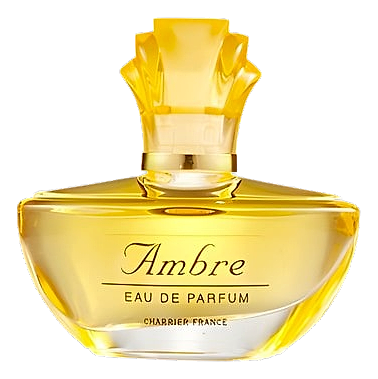
Since 1888, the Charrier family has worked with amber in one form or another, the fossilized resin that holds light, holds time. Ambre is their take on that material. Not literal amber, but the sensation of amber: the warmth, the glow, the way it softens everything it touches. The composition opens with green and citrus brightness before settling into florals, then warmth. A fragrance that moves from cool to warm in the span of an afternoon.
The heart of Ambre is where it earns its restraint. Rose and jasmine meet magnolia, a classic floral combination, but handled with a light hand. The white florals bring a luminous quality rather than weight. Combined with the powdery accord running through the base, the effect is warm without heaviness. It's the kind of composition that doesn't try to surprise you. It just stays with you.
The evolution
The opening is crisp, green geranium, bright bergamot, a hint of freesia cutting through. Then the florals arrive. Rose and jasmine become the conversation. Magnolia adds a creamy undertone that keeps them from being too direct. The drydown is where this fragrance earns its name. Amber and vanilla take over, wrapping around cedar and musk. The warmth isn't loud. It's the kind that settles into skin, into fabric. Lasts through the evening on most skin types. Moderate sillage, present if someone's standing close, invisible otherwise. That's the point.
Cultural impact
Ambre occupies a comfortable middle ground in the classic feminine sweet-floral tradition. Too refined for mass-market appeal, too approachable for true niche positioning. The intimate sillage keeps it from making a statement in any room, which suits the wearer who doesn't need to. This is for someone who discovered Charrier Parfums before the algorithms did.