The Story
Why it exists.
The beginning
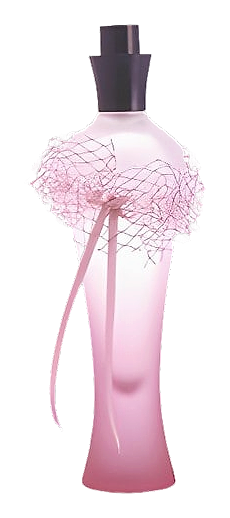
The name alone tells you what this fragrance wants to be, mischievous, playful, with a wink. Created by Christophe Raynaud in 2004, Ame Coquine brings a distinct point of view. The concept seems to have been: what if feminine flirtation wasn't all soft edges? What if the "coquine", the tease, had some unexpected depth? It is a powdery-fruity fragrance with a secret backbone, and it wears that contradiction like good jewelry, visible only if you look closely. The blend of lush florals and deeper notes creates something that feels both inviting and slightly unpredictable.
The heart of Ame Coquine, peony, lotus, rose, freesia, blackcurrant, heliotrope, is unusually dense for a fragrance of this style. These florals layer like a carefully assembled outfit, each piece visible, the whole greater than any single note. The heliotrope and blackcurrant do the quiet work of making the peony feel less formal, more worn-in. Then there's the oakmoss, lending an earthy, slightly bitter quality that grounds the sweetness and keeps the fragrance from floating away entirely.
The evolution
The opening hits fast: tangerine bright and cassia doing its spicy-citrussy thing, all before the red berries even arrive. Cyclamen sweeps in and turns the air softer, almost like the sharp edges have been folded down. The berries arrive mid-act and add a jammy sweetness that the florals then absorb. The peony dominates the heart stage, with heliotrope giving everything a powdery cast that feels less like makeup and more like skin warmed by sun. The rose is there too, but quiet, almost apologetic about it. Then the base takes over. Oakmoss first, green, slightly bitter, a texture rather than a scent, followed by sandalwood that's creamy enough to soften the whole composition. Musk keeps it close. Amber adds warmth without weight. The drydown is intimate and wearable, close to the skin, a little bit knowing.
Cultural impact
Community reviewers have compared Ame Coquine to Lolita Lempicka, not because the formulas are similar, but because both fragrances share a certain audience. Where Lempicka leans into an herbal, slightly anise-tinged territory, Ame Coquine takes a different approach, warmer and more floral. It's the fragrance for someone who wants fruit and flowers but refuses to smell innocent doing it.