The Story
Why it exists.
The beginning
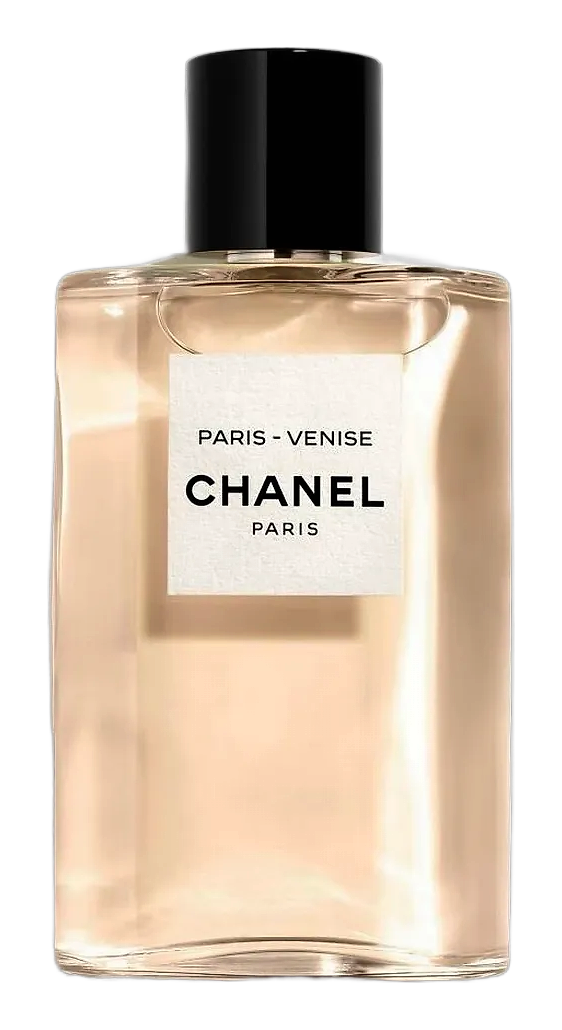
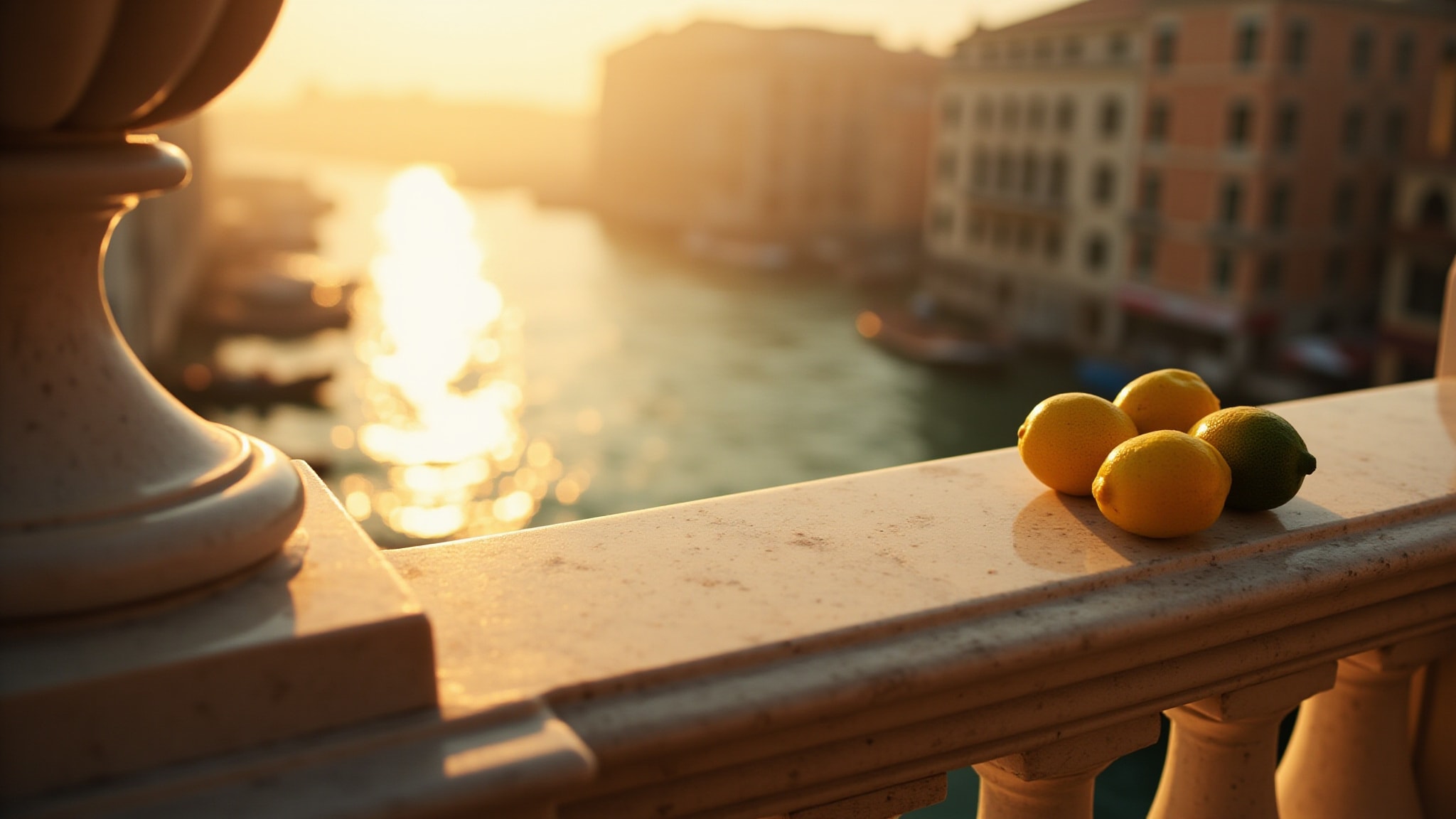
In 1920, Gabrielle Chanel arrived in Venice shattered. Boy Capel, her lover, her financial backer, the man who first saw what she could become, had died in a car accident the year before. She went to the Italian city looking for something, and what she found was everything. Byzantine mosaics. Baroque excess. A city that threw beauty at you in gold and marble and light on water. She later said Venice changed her eye, the way she saw proportion, contrast, the power of restraint next to extravagance. The architecture taught her something about tension she never forgot. Paris, Venise is that feeling translated. Not nostalgia for the city, but the sensation of arriving somewhere that makes you whole again. Olivier Polge, in-house perfumer at the time, understood the brief: shadow and light, freshness and sensuality. The contradiction that is Venice. The contradiction that is anyone rebuilt by loss.
What makes Paris, Venise unusual is the way it holds two things at once without resolving them. The citrus opening is sharp, almost cold, bergamot and lemon that smell like water in marble basins, like morning light hitting stone before anyone wakes. This is the Venice of cold canals, of wind off the lagoon, of air that hasn't been warmed yet. Then comes the iris. Powdery, slightly sweet, with that expensive quality that smells like face cream and silk and the light through closed curtains. This is not a coincidence, Chanel's Infusion d'Iris established this language years before, and Paris, Venise speaks it fluently. Neroli amplifies it: orange blossom that smells like skin warmed by afternoon sun.
The evolution
The opening hits crisp. Bergamot, lemon, a clean citrus assault that reads almost metallic for the first ten minutes, sharp and bright, the smell of light on water. Pink pepper keeps it from being sterile, adds a slight warmth to the chill. Then the hand-off. Around the 15-minute mark, neroli takes over and the character changes completely. The cold recedes. The orange blossom unfolds against warm skin. Iris arrives quietly, not announced, just present, and the powder that defines this fragrance begins to build. Ylang-ylang and geranium keep the florals soft, creamy, the kind of heart that smells like expensive things. The drydown is where it earns its name. After an hour, the vanilla and tonka bean arrive, not heavy, but present, warm, close. White musk amplifies the clean-skin quality that reviewers mention consistently. The violet adds a quiet sweetness that keeps the base from being too serious. This is the sensuality the brief called for: not loud, not animal, just warm and certain and yours.
Cultural impact
Part of the Les Eaux de Chanel collection, three fragrances named after cities tied to Gabrielle Chanel's travels and the emotional geography of her life. Paris, Venise joins Paris, Deauville and Paris, Biarritz as olfactory souvenirs of places that shaped her. The collection positions these as fresher, lighter expressions of the Chanel identity, accessibility without compromise. Wearers describe it as the scent of someone who doesn't need to announce themselves, whose elegance is quiet and certain.