The Story
Why it exists.
The beginning
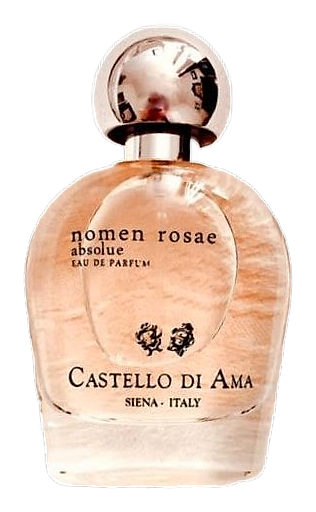
Nomen Rosae Absolue arrived in 2018 from Michele Marin, the perfumer behind the fragrance. The name points directly to rose, and to a rose of a particular density, one that occupies the middle of a chypre floral composition rather than politely circling its edges. Where many rose fragrances keep the flower restrained, this one lets it behave. Berry sweetness and tropical fruit set the stage, lily of the valley adds a clean floral lift, and chili pepper interrupts with genuine heat. The result reads like a garden after rain, but one with a lit match dropped among the roses. It is a portrait of place made deliberately alive, and deliberately a little dangerous.
What makes this structure worth noticing is the collision at its center. Rose absolute and chili pepper sit in the same heart, and each changes the other's meaning. Sweet rose without the pepper reads as a garden perfume. Pepper without the rose reads as kitchen heat. Together they become something with argument in it, warmth and irritation at once, sweetness that refuses to stay sweet. The base pulls the whole composition toward the ground.
The evolution
The opening lands bright and almost tropical. Blackcurrant brings a dark, wine-like tartness, and litchi adds cool sweetness, the kind that reads as fruit chilled on a stone terrace. Lily of the valley moves through that freshness with a clean, airy floral quality that flatters everything underneath it. Then the rose arrives with the chili pepper right beside it, and the scent changes temperature. The rose becomes fuller and rounder, while the pepper adds a heat that no amount of sweetness quite cancels. As the hours pass, the composition works its way down through patchouli and vetiver, the first deepening the base and the second cutting a clean line through it. Iris contributes a powdery note along the way, and musk holds everything close to skin. Benzoin sits in the composition as a warm resinous presence.
Cultural impact
Nomen Rosae Absolue reads as a study in contrast, and that is where its interest lies. Fruit and floral notes open the composition with brightness, then rose and chili pepper pull in opposite directions at its center, warmth and irritation sharing the same space. The base is where the fragrance finds its footing: patchouli and vetiver give it soil, musk gives it skin, benzoin adds a resinous glow, and Tuscan iris adds the powdery coolness that keeps the rose from settling into something too comfortable. Wearing it is a matter of staying with that tension rather than resolving it too early.
The House
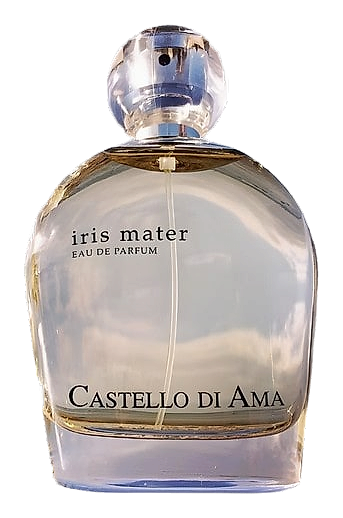
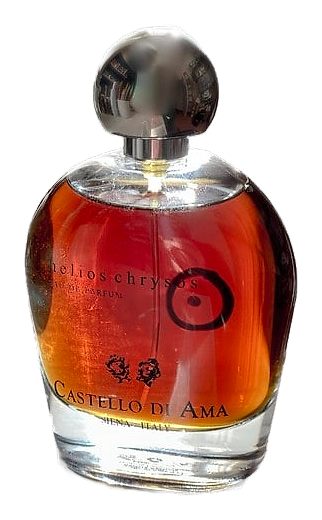
Castello di AmaCastello di Ama is a Tuscan estate that grew from wine country into fragrance, drawing on the same terroir that shapes its Chianti Classico vineyards. The brand operates from Gaiole in Chianti, in the heart of Tuscany, and launched its first scent in 2014 after years of experimentation with Michele Marin, the perfumer behind Infragranti Parfumeur. Today the house counts a small but considered lineup, including Iris Mater (2014), Nomen Rosae Absolue (2018), and Helios Chrysos (2023). Each fragrance is conceived as a sensory portrait of the estate, an olfactory translation of its landscape, gardens, and centuries of agricultural memory.
The Creator
Michele MarinMichele favors a hand‑crafted approach, blending natural absolutes with a few synthetics that add depth. He often starts with a base of amber, labdanum or vetiver, then layers fruit or spice to create contrast.