The Story
Why it exists.
The beginning
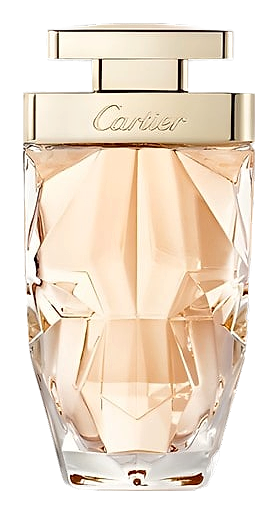
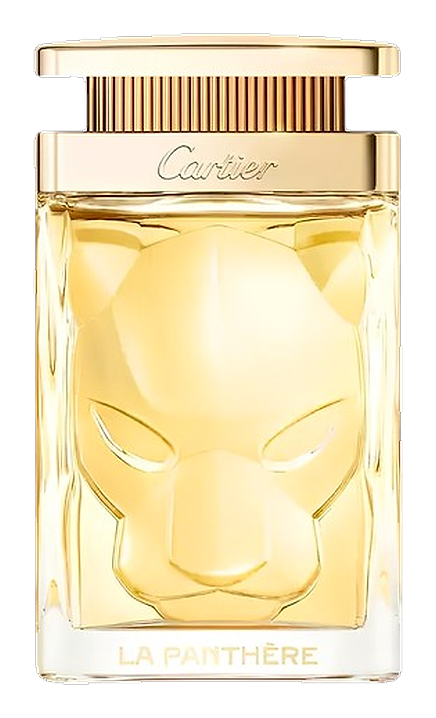
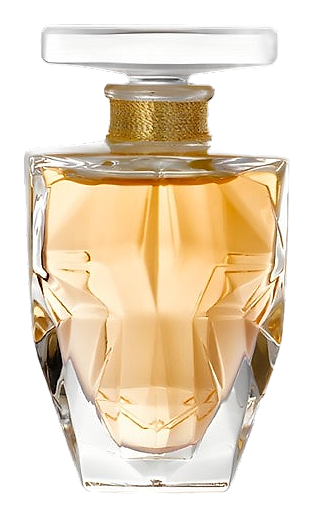
Mathilde Laurent built La Panthère Extrait on a feline contradiction: Cartier's legendary panther, yes, but also the woman who wore it first. Jeanne Toussaint was the muse, the enforcer, the one who gave the beast its elegance. Laurent translated that duality into concentrated form, not a louder version of the original, but a wilder one. The extract doesn't add projection so much as it deepens the wild heart at the center of the composition. What was suggestion becomes declaration.
The structure is classic chypre, gardenia and iris as the floral heart, anchored by moss and patchouli in the base, but the extract concentration shifts the ratio between elegance and animalic. The strawberry in the opening reads bigger here, almost jam-like against the tart rhubarb, while the gardenia loses its polite garden-party manner and leans into something muskier, more alive. This is what happens when a chypre stops performing refinement and starts being honest about what animals actually smell like.
The evolution
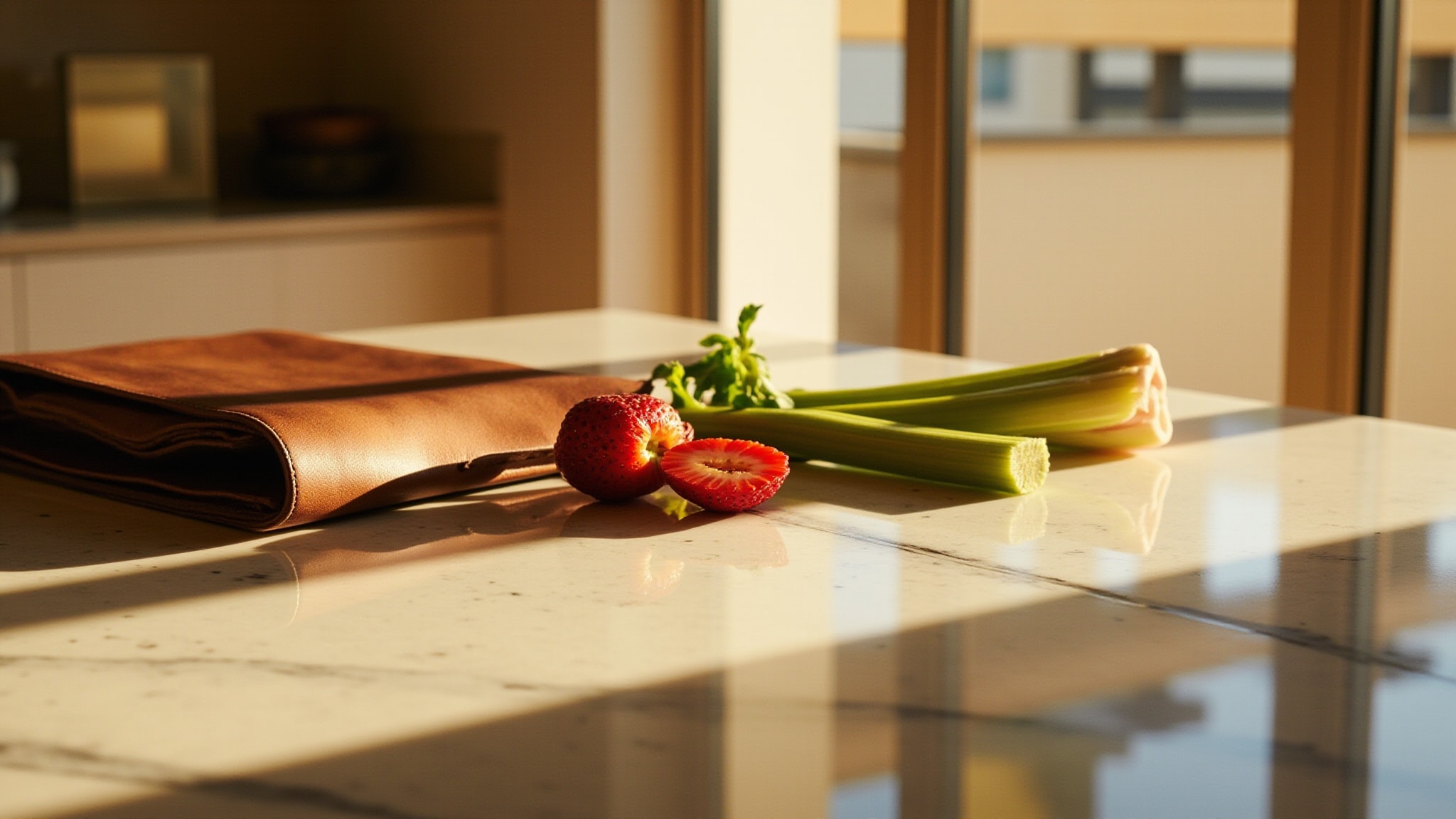
The strawberry hits first, full and almost confectionary, bright against the green bite of rhubarb. Within minutes the gardenia pushes through, not the creamy gardenia of soap ads, but something with presence, with warmth, a white floral that seems to breathe against the skin. The iris follows, powdery and cool, dusted across the florals like something borrowed from an vintage compact. Then the base begins its slow take-over. The leather doesn't arrive all at once, it seeps in beneath the florals, then slowly asserts itself, pulling the sweetness down into earth. The moss adds a green dampness that keeps the leather from going too dark. Patchouli lingers longest, the earthy bitterness that keeps this from becoming just another sweet floral. Eight to ten hours on skin, and it stays close, not projecting aggressively, but present in that intimate way that draws people in instead of announcing itself to the room. On clothes the next morning: a faint warmth, patchouli and skin musk, the ghost of something that was wilder than it first appeared.
Cultural impact
La Panthère Extrait carved out a specific space: the woman who wants the Cartier name but refuses a safe fragrance. The extract concentration, less common than eau de parfum in the contemporary market, signals intention. Community reception has been consistent: this is an evening fragrance, a cold-weather fragrance, a fragrance for occasions when polish matters but so does personality. The vintage-modern balance has earned it a following among those who want something with history in its bones but present in its execution.