The Story
Why it exists.
The beginning
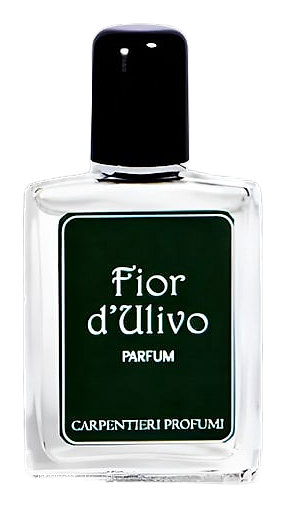
Fior d'Ulivo comes from Carpentieri Profumi, a house whose exact vintage is a little fuzzy, sources place it sometime during the 2000s. What we do know is what the bottle proposes: a fragrance built around a single botanical thread, traced from blossom to branch and woven into something balanced. The name points straight at the olive tree, flower and wood both, which makes sense when you read the official description. The brand calls it a fresh and delicate scent inspired by Mediterranean nature, with green, light notes and soft floral and herbal facets. Elegant in its simplicity. That last line feels intentional, the kind of restraint a house earns when it's been around long enough to know what it doesn't need to say.
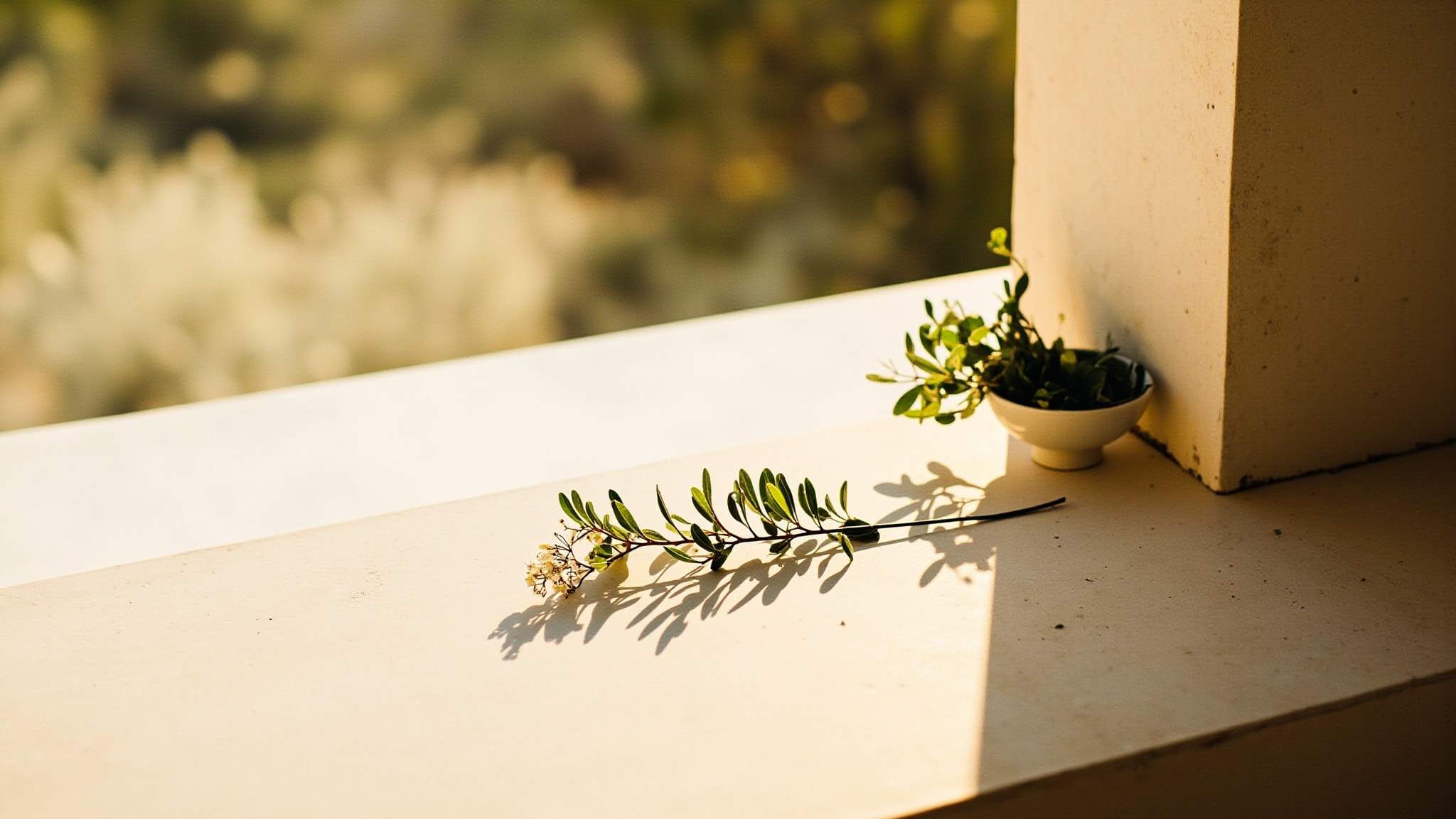
What makes the composition worth a second look is how un-floral the florals are. Olive blossom, lily of the valley and water lily sit at the top, but they're filtered through violet leaf and ivy in the heart, then anchored by olive wood, patchouli and sandalwood at the base. The result is less a bouquet than a landscape. The plant sap in the middle gives the whole thing a slightly wet, growing-in-real-time quality, as if the stems were still drawing water when you sprayed it. Instead, the olive tree does the talking, from petal to branch.
The evolution
The first ten minutes are cool and almost mineral. Water lily and lily of the valley arrive together, soft and slightly soapy, lifted by the faintest white-floral sweetness of olive blossom. It reads clean, almost ozonic, the way stone feels under a garden tap. Then the green takes over. Violet leaf and ivy push in with something sharp and crushed, and the plant sap threads through everything like a living thing. Around the thirty-minute mark the composition stops smelling like a single fragrance and starts smelling like a place: wet leaves, bark, the underside of a flowering bush. By hour two the olive wood has settled in, warm and dry, and patchouli gives it a quiet earthiness without ever crossing into dark territory. The sandalwood underneath keeps things creamy and rounded, so the whole base reads woody but never harsh.
Cultural impact
Fior d'Ulivo wears like a Mediterranean postcard: recognizable to anyone who has walked through southern Italian olive groves in spring, but specific enough to stand on its own. The composition draws on the green-floral-woody accords that show up on the major directories, but it earns its specificity by leaning so fully into the olive tree, top to bottom, that nothing else in the contemporary market feels quite like it. It's the kind of fragrance that whispers about a specific geography rather than performing a mood.