The Story
Why it exists.
The beginning
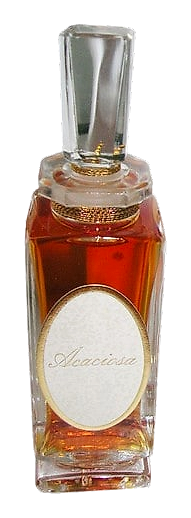
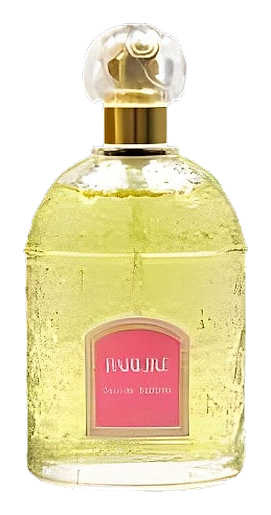
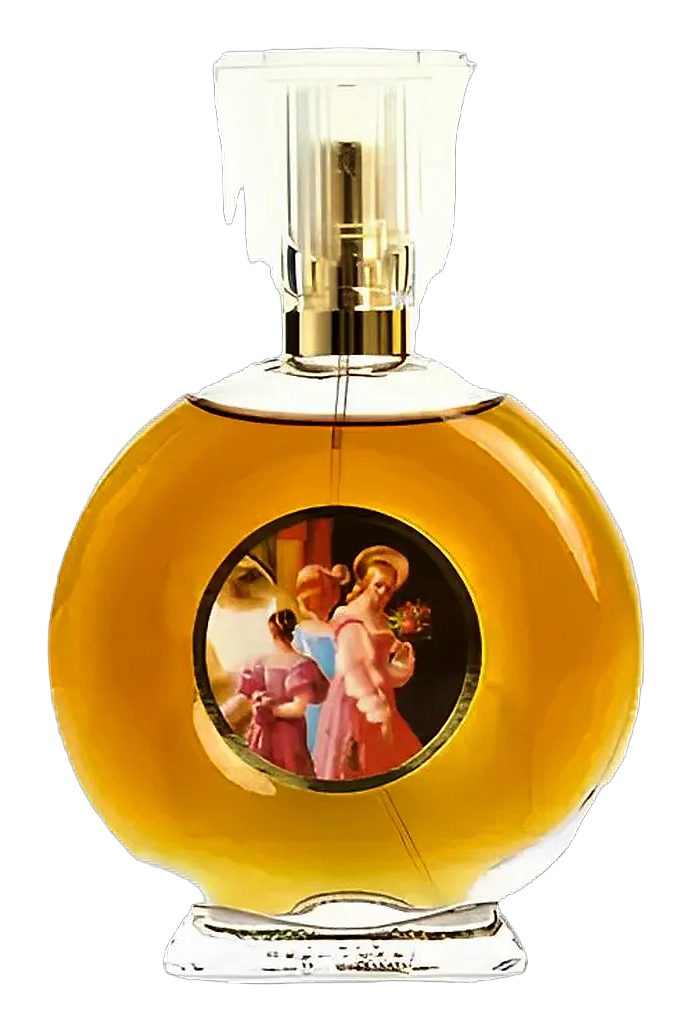
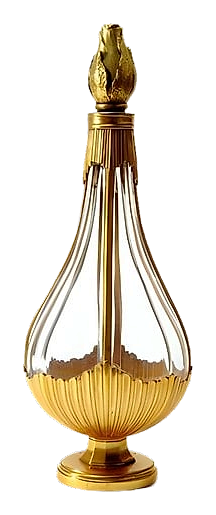
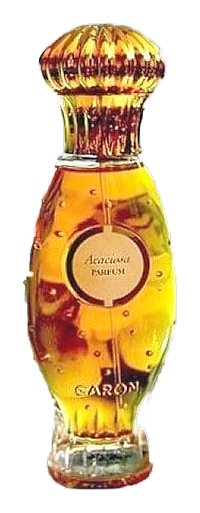
Acaciosa arrived in 1924 from Ernest Daltroff, who built fragrances on instinct rather than formal training. His exceptional olfactory memory and passion for raw materials drove everything. The name evokes acacia, golden, sunlit, romantic, though no acacia appears in the blend. Instead: a collision of white florals and warm amber that Daltroff clearly meant to be heard.
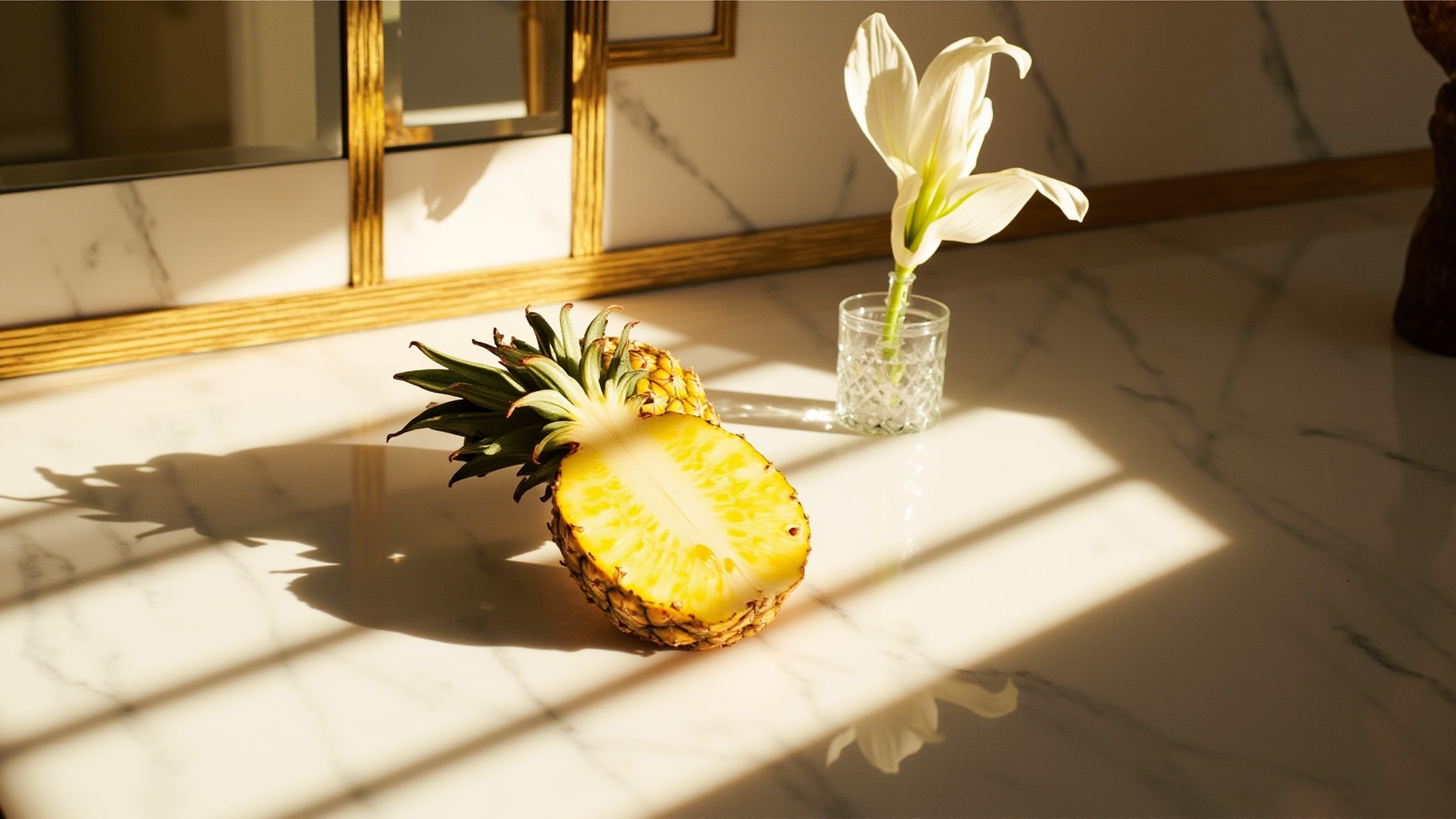
The pyramid is unusual. Jasmine reappears in the heart, reinforcing the floral thread rather than shifting register. Pineapple adds a tart brightness that keeps the richness from cloying. Sandalwood bridges the florals and the base, where amber, musk, and vanilla create the powdery warmth that defines the drydown. It's a structure built for duration, the top doesn't just arrive, it settles into the skin and stays.
The evolution
The opening is immediate: jasmine and Bulgarian rose in generous proportion, with ylang-ylang adding waxy richness and orange blossom lifting the blend. Lily of the valley threads through, keeping the sweetness from becoming overwhelming. Within 20 minutes, the pineapple announces itself, tart, bright, unexpected, cutting through the florals like citrus down a creamy staircase. Sandalwood arrives next, warm and woody, as the jasmine continues its slow release. The drydown is where Acaciosa earns its century: amber and vanilla blend into a powdery warmth that lingers for hours. Musk holds everything together. Even the next morning, a ghost of that powdery floral remains on warm skin.
Cultural impact
Acaciosa Parfum arrived in 1924 as part of Caron's tradition of bold, confrontational perfumery. The perfume reflects the liberated spirit of the Jazz Age, when women in Paris and beyond embraced more expressive forms of self-presentation. Ernest Daltroff created the fragrance without formal training, relying instead on an extraordinary olfactory memory and raw intuition for raw materials. This approach set Caron apart from houses that followed conventional compositional methods. The 1924 release stands as a bridge between the opulent florals of the Edwardian era and the more austere compositions that would emerge in subsequent decades.