The Story
Why it exists.
The beginning
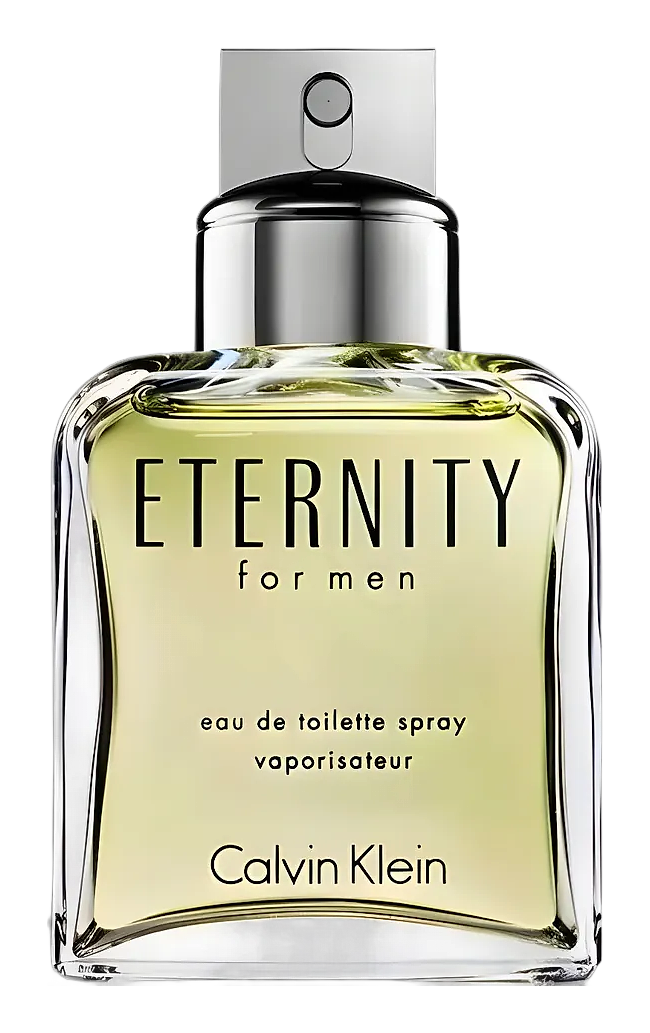
Three perfumers, Clément Gavarry, Jean-Marc Chaillan, and Carlos Benaïm, built Eternity Summer 2007 within a house that has never believed in excess. Calvin Klein's fragrance philosophy is simple: no ceremony, no complication, just a clear idea executed well. The Eternity line has always leaned toward sincerity; this summer edition was not content to follow the template. The watermelon-coriander opening is a direct refusal of the expected. Then the star anise arrives, and the composition stops pretending to be straightforward. The name says summer. The contents argue. This is a limited release, which means it was never designed to please everyone. It was designed to be remembered.
The star anise is the key. Most summer fragrances avoid anything that could read as bitter, dark, or challenging. Here it sits in the heart, directly above the watermelon, and forces a conversation between sweet fruit and sharp spice that shouldn't work but does. Galbanum, a resinous, green gum from the ferula plant, amplifies the tension. It is bitter in the way fresh-cut stems are bitter, and it cuts through the watermelon sweetness like a blade through something too soft. Coriander contributes its green, almost citrusy facet rather than the soapy, soiled-earth character it can take on. It bridges the opening and the heart, keeping the transition from feeling abrupt.
The evolution
The opening is the event. Wet watermelon, cold and bright, the kind you get from slicing into a melon that's been sitting in a cold spot. Coriander arrives immediately, green and herbal, keeping the sweetness from reading as synthetic. This phase lasts about twenty minutes before the star anise begins to assert itself. In the heart, the star anise opens like a flower made of spice, sharp, aniseedy, with a licorice darkness that pushes against the watermelon. Galbanum makes its presence known here, too: green, bitter, almost cellular in its intensity. The lily of the valley is quiet. A whisper underneath, not a statement. The drydown is where the cedar earns its place. Most summer fragrances go aquatic or ozonic in the base and disappear. Eternity Summer 2007 plants itself in dry wood, pencil shavings, warm and dry, with patchouli underneath adding earth without weight. Red amber brings quiet warmth. The watermelon note does not last. It fades after an hour or two, but it leaves behind a sweet ghost.
Cultural impact
Calvin Klein has never tried to be anything other than what it is: a house built on restraint, directness, and a refusal of ornament. The Eternity line has been the house's sincere, understated sibling, the fragrance you wear because you mean it. Eternity Summer 2007 pushed back against even that restraint by pairing watermelon with star anise, which is not a natural combination, and making it work. The boldest thing a mass-market fragrance can do is be genuinely unusual, and this one pulls it off.
The House
Calvin KleinCalvin Klein is an American fashion house with roots in New York City's coat trade. Founded in 1968 by designer Calvin Klein and Barry Schwartz, the company rose to prominence through its minimalist aesthetic, form-fitting denim, and designer underwear lines. The brand entered the fragrance world in the late 1970s and built one of the most recognizable mass-market perfume portfolios in fashion. CK One, launched in 1994, became a cultural landmark as one of the first unisex fragrances, reshaping how the industry approached gender and scent. Today Calvin Klein perfumes remain available globally through department stores and specialty retailers, with fragrance licensing managed by Coty Inc. since 2005.
The Creator
Clément Gavarry & Jean-Marc Chaillan & Carlos BenaïmGavarry favors clear, tactile accords that invite the skin to respond. He builds structures around vanilla, amber, and soft woods, then brightens them with crisp fruits or juicy apples.