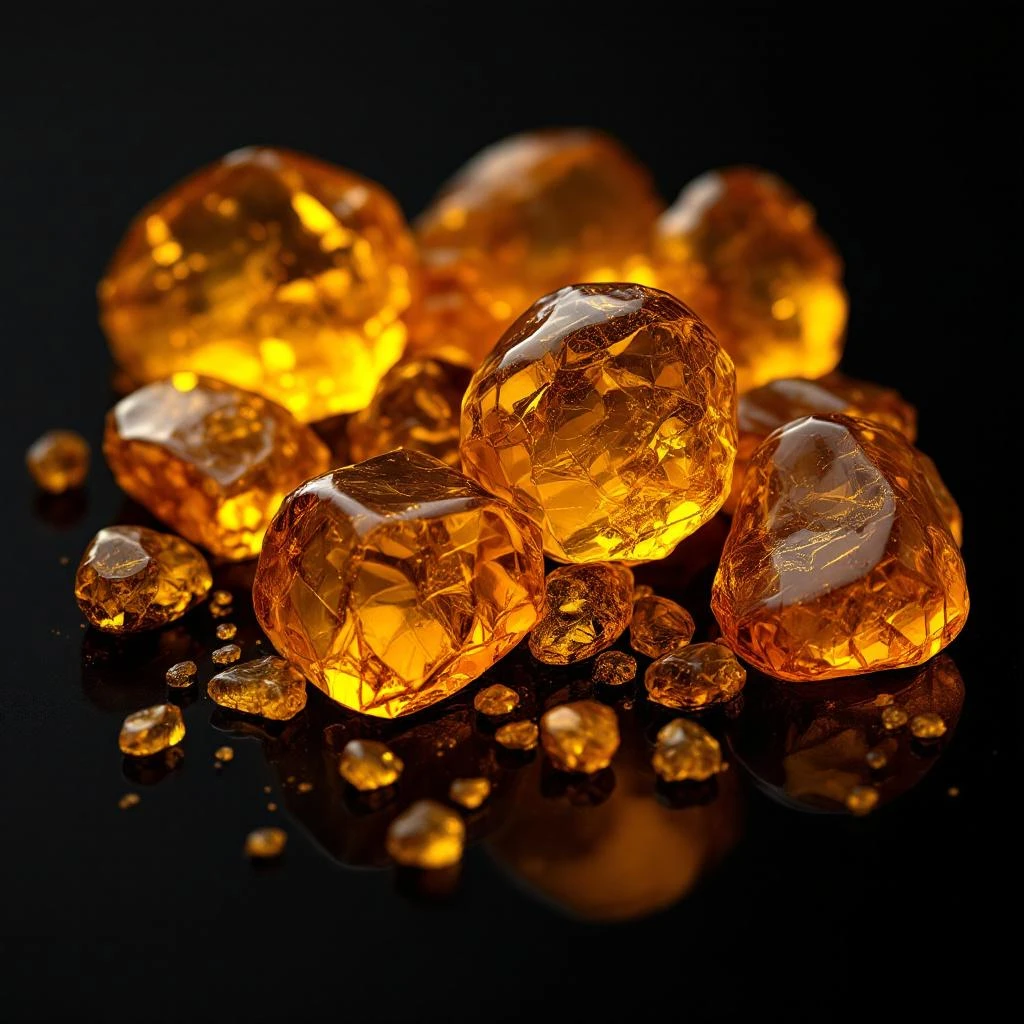
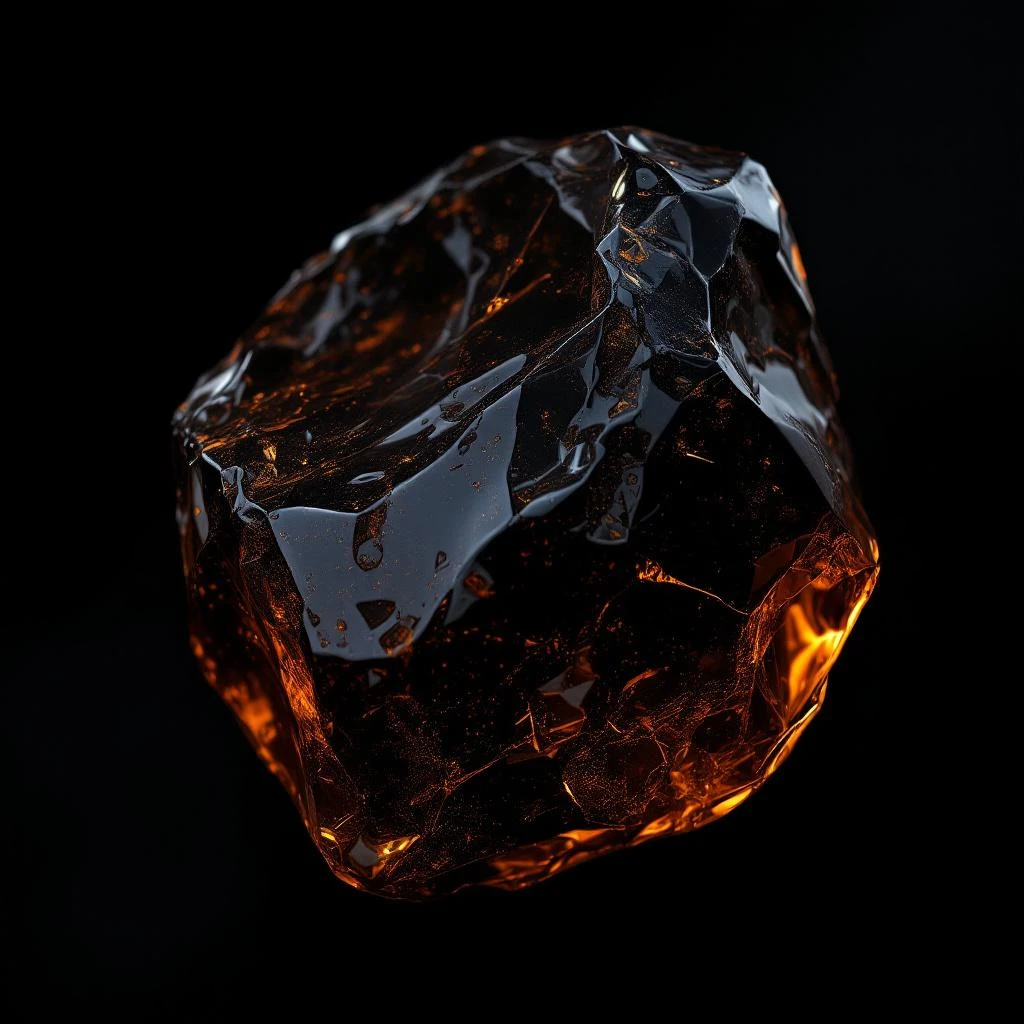
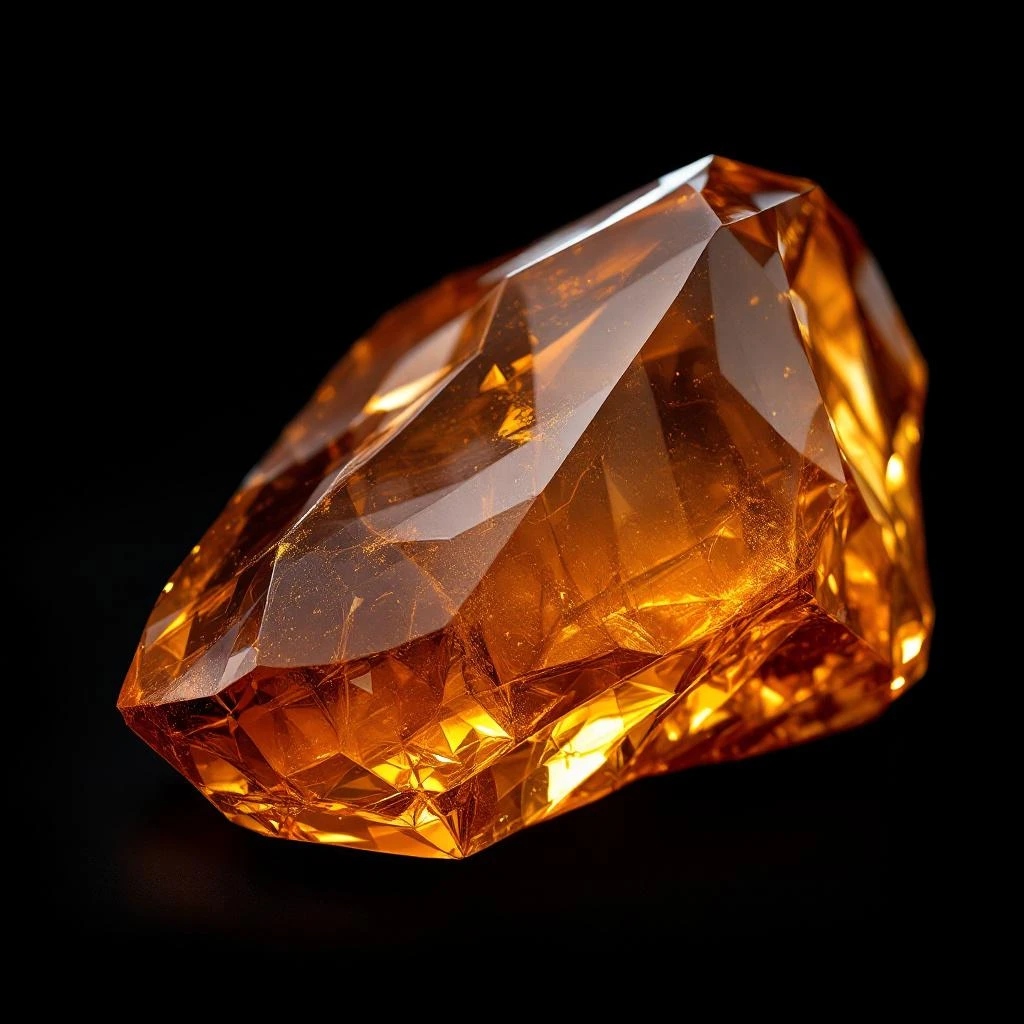
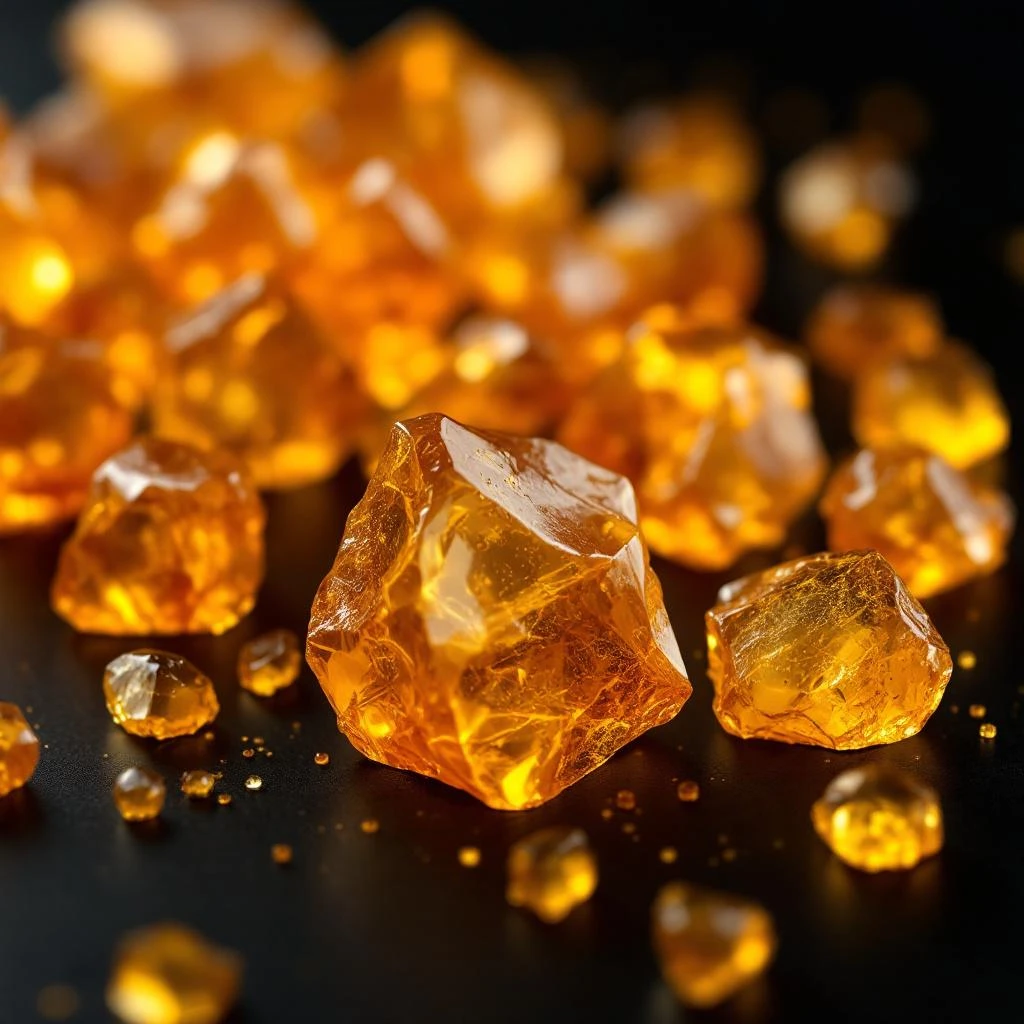
Red amber
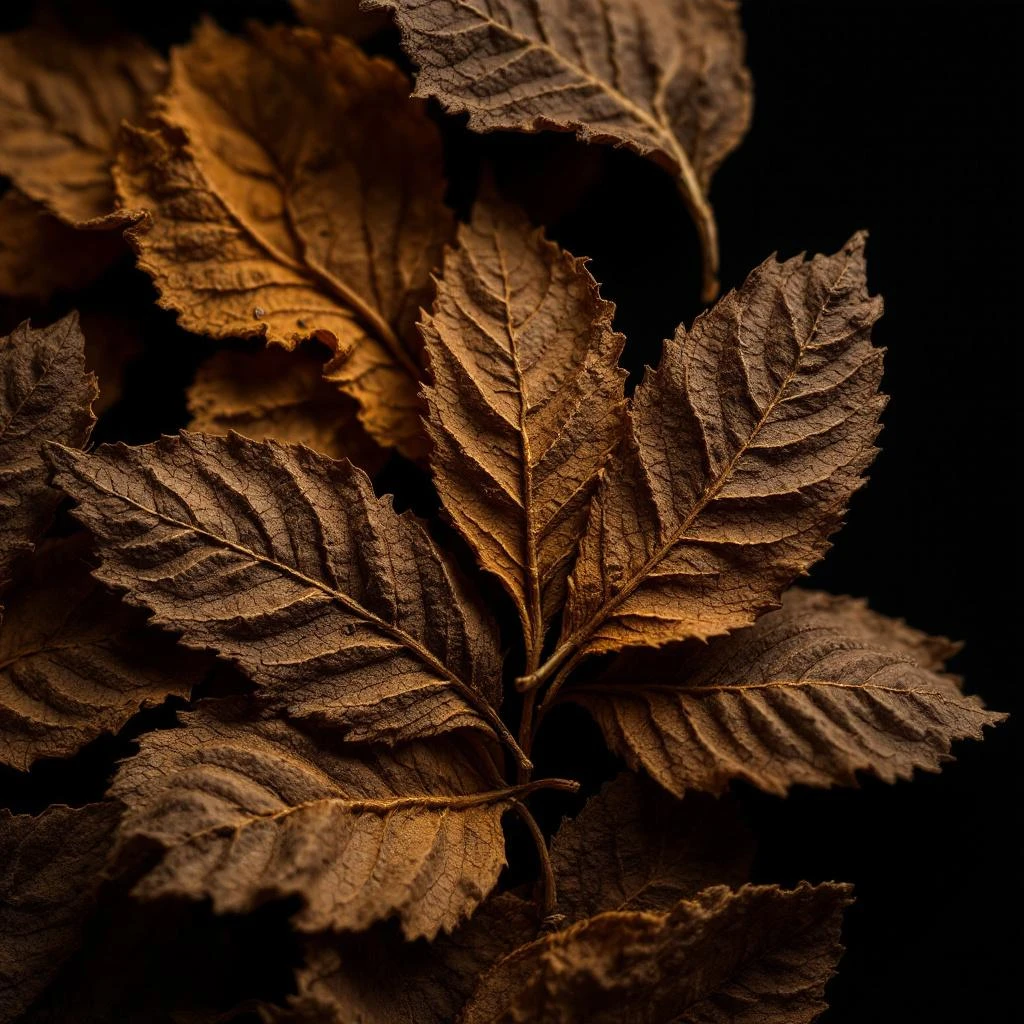
Red amber, a rare marine-derived fixative, lends deep warmth and a subtle marine sweetness that anchors modern fragrances.
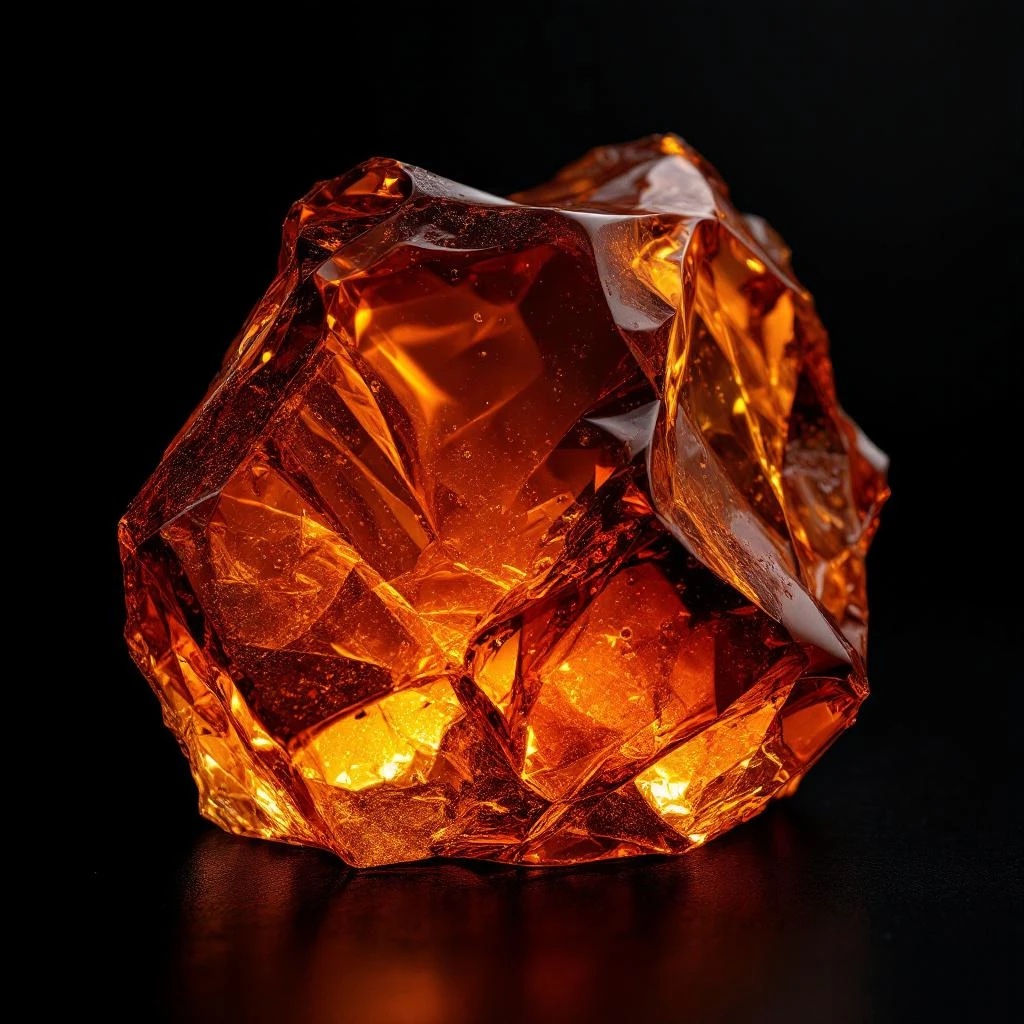
Character
How it smells
Ocean‑born warmth that steadies the scent.
A single piece of ambergris can float for up to six months before washing ashore, gaining a richer aroma as it ages.






Origin
International waters (Atlantic Ocean)
Red amber has guided perfumers since the 18th century, when European traders first reported ambergris as a valuable export from the Caribbean and Indian Ocean. Early records describe its use in royal courts to mask unpleasant odors and to add longevity to scented oils.
By the 1800s, ambergris became a staple in high‑society fragrances, prized for its ability to fix volatile notes and impart a warm, marine depth. The material inspired literary references, appearing in poems that praised its golden hue and rare scent.
In the 20th century, synthetic alternatives emerged, yet authentic red amber retained a niche status among master perfumers who value its natural complexity. Today, it appears in select niche and luxury lines, celebrated for its historical prestige and distinctive aroma.
Wears it best
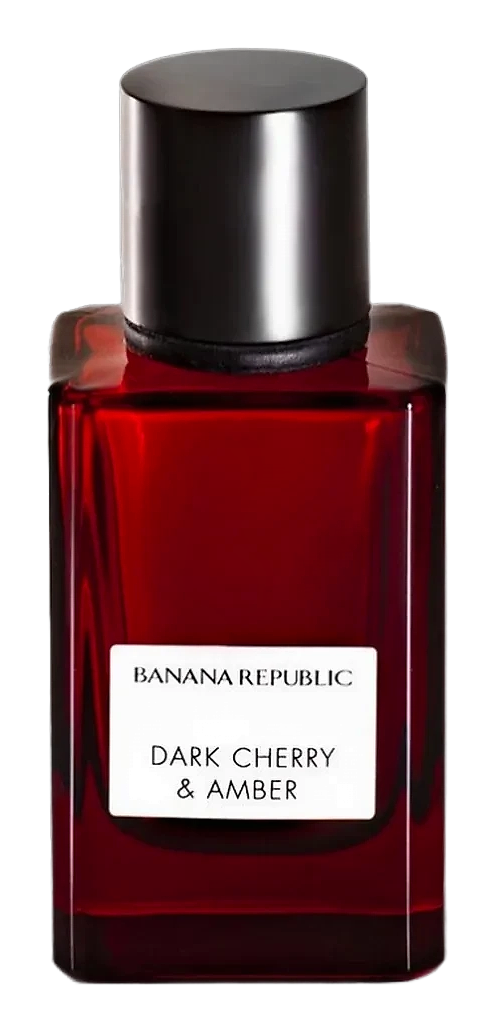
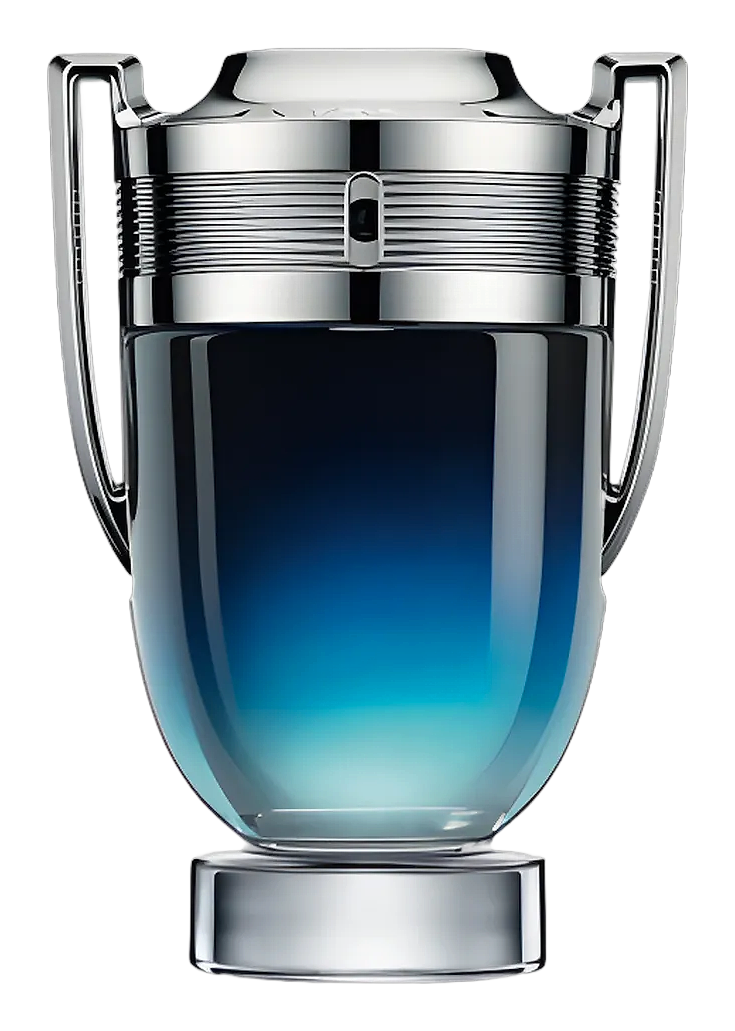
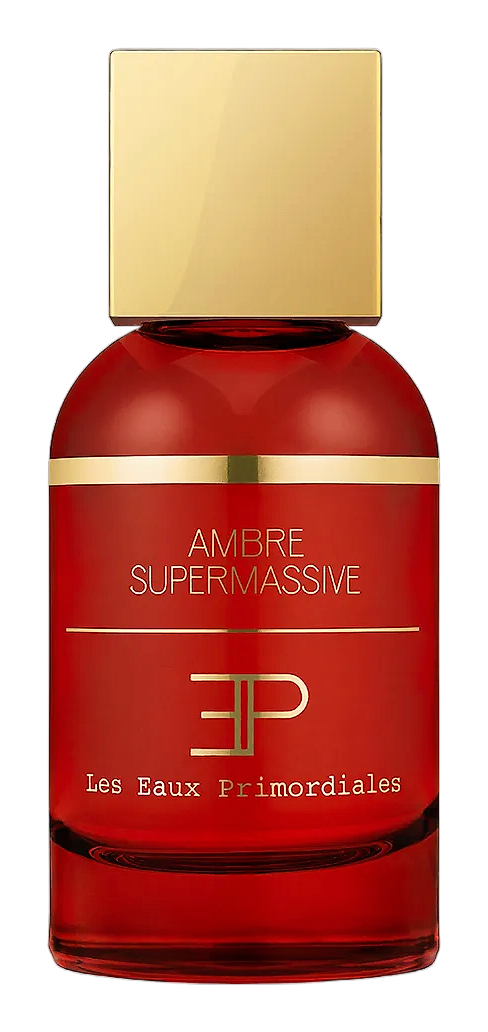
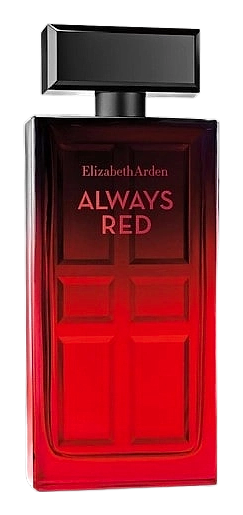
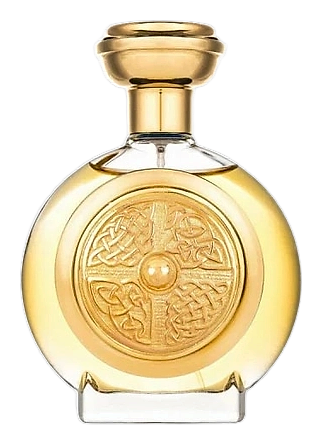
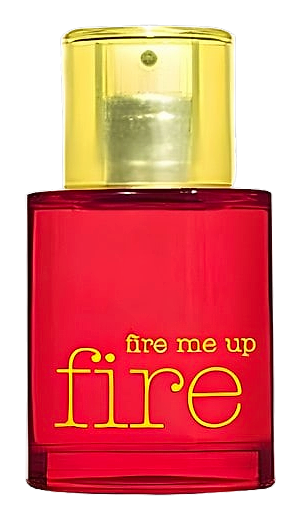
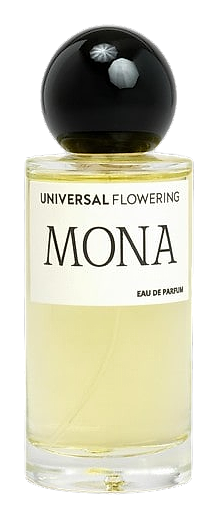
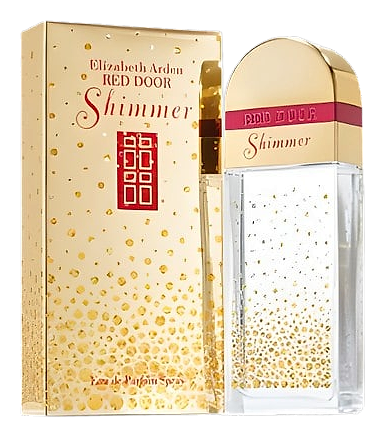
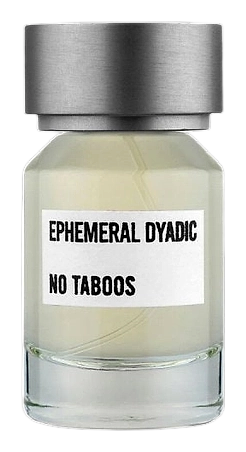
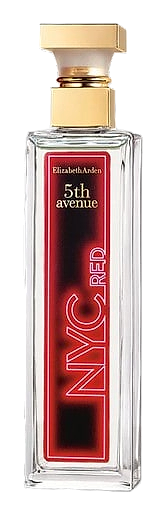
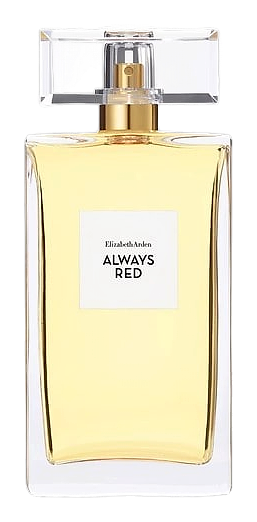
Fragrances featuring Red amber

Brands
Brands known for Red amber
Good to know
Questions, answered
The essentials on Red amber in perfumery: how it smells, where it comes from, and how it behaves on skin.
What is red amber in perfumery?
Red amber is a natural marine fixative that adds warm, sweet, and slightly salty nuances to fragrance blends. Ambergris, the source material, can weigh up to 2 kg and is harvested after floating for months, providing a unique depth that synthetic substitutes rarely match.
How is red amber sourced?
Red amber is collected when ambergris washes ashore or is retrieved from fishermen’s nets in the Atlantic. In 2022, French coastal authorities recorded 37 documented finds along the Bay of Biscay, each undergoing cleaning and controlled drying before use.
Is red amber sustainable?
Red amber is considered sustainable because it is a by‑product of natural whale biology, not harvested from live animals. The International Whaling Commission reported that only 0.3 % of global ambergris finds are recorded annually, indicating minimal impact on whale populations.
What scent profile does red amber provide?
Red amber contributes a warm, sweet, marine‑earthy profile with hints of vanilla and dried fruit. A laboratory analysis in 2021 measured its main volatile compounds as ambrein, resulting in a lingering, resinous aroma that enhances longevity.
How long does ambergris age before use?
Ambergris typically ages for 12 to 24 months before perfumers consider it ready. In a 2019 study, a sample aged 18 months showed a 45 % increase in ambrein concentration, which deepens the scent.
Can red amber be synthetically reproduced?
Synthetic ambergris analogues exist, but they replicate only part of the natural aroma. In 2020, a leading fragrance house released a lab‑crafted amber note that captured 70 % of the original’s olfactory profile, according to independent testing.
Which classic fragrances feature red amber?
Iconic scents such as Guerlain's Shalimar and Chanel's Antaeus historically used ambergris to anchor their compositions. Shalimar’s original 1925 formula listed ambergris as a key fixative, contributing to its enduring warmth.
Does red amber cause allergies?
Red amber is generally low‑risk for allergic reactions, though rare sensitivities have been documented. A dermatological survey in 2018 recorded only 2 cases of contact dermatitis among 1,200 participants exposed to ambergris extracts.