The Story
Why it exists.
The beginning
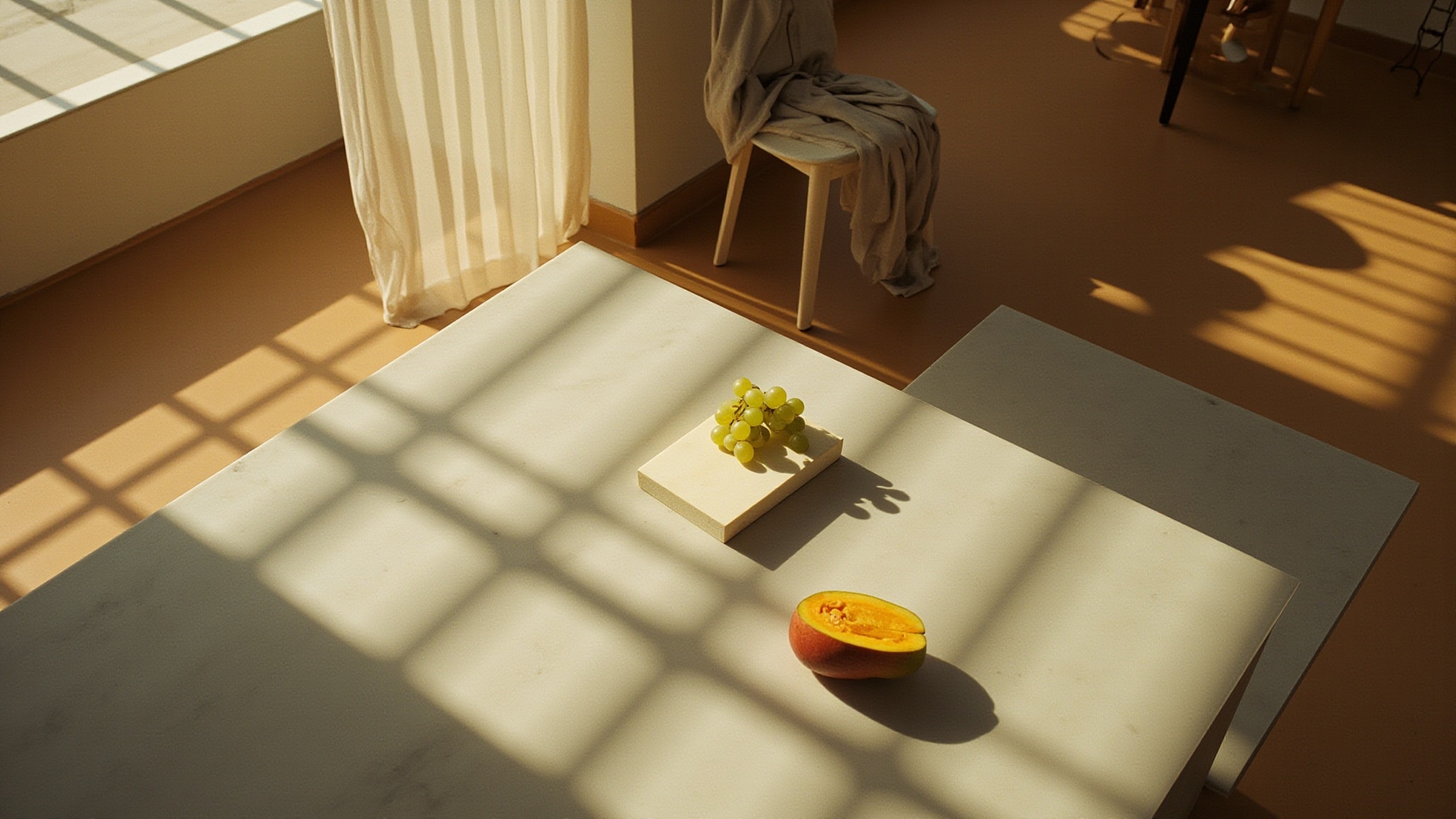
Blue Jay draws its name from one of the most recognizable birds in the sky, loud and opportunistic, a creature that borrows what it needs and makes it its own. A blue bird that doesn't sit still. The brand treats naming as a kind of shorthand, a way to anchor an abstract composition to a living image, and the jay's brash confidence makes for an interesting starting point. Grape, mango, chamomile, lemon. The top is fruit-forward, almost confectionery, the kind of opening that grabs attention before the rest of the structure has time to settle. Pair that sweetness with the tea-like hush of chamomile and you get a lull, a soft pause before the iris, tonka, and orris root take over.
What makes this composition worth a second look is the structural decision to lead with fruit instead of citrus. Grape and mango are unusual top notes, and they read louder, riper, more like a gesture than an introduction. Pairing that sweetness with chamomile creates a tea-like softness, a quiet moment before the iris and tonka begin to surface. The orris root pulls double duty here, threaded through the heart as a powdery bridge between the bright top and the resinous bottom. Then the base commits.
The evolution
The first ten minutes belong to grape and mango, loud and almost chewy, brightened by lemon and cooled by chamomile. It smells like biting into something cold on a hot day, the kind of fruit that stains your fingers. The sweetness is confident, not shy, the sort of opening that announces itself before you've had time to register it as sweet. Then the orris root starts to surface, and everything quiets down just enough to let the next layer speak. Rose and jasmine arrive next, but not as a full floral statement. They show up as a whisper beneath the fruit, adding skin-warmth and a faint soapiness without taking over the conversation. Tonka rounds the edges at this stage, pulling the composition toward something creamier, milkier, the way a dollop of cream softens the tartness of berries in a bowl.
Cultural impact
Blue Jay draws its central conceit from the bird itself, a creature associated with mimicry, opportunism, and a kind of sharp brightness. Its placement within Cage's bird-themed releases matters because the line uses plumage as a starting point for scent architecture, and the blue jay offered a chance to play with cool-toned fruit against a resinous amber base. Grape, mango, chamomile, and lemon lead with a confectionery sweetness, while iris, frankincense, and patchouli pull the composition into drier, more contemplative territory by the drydown. That structural mix registers as a deliberate choice within a brand context.