The Story
Why it exists.
The beginning
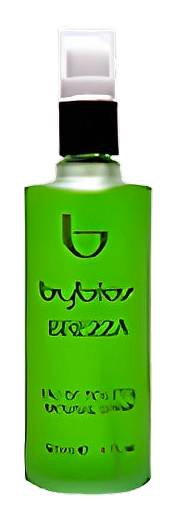
Brezza arrived in 2000 as a green-floral women's composition from Byblos, a house known for treating perfume as a vehicle for visual energy rather than ornament. The fragrance opens with the snap of blackcurrant leaf, a material prized in contemporary perfumery for its green, slightly bitter brightness, and pairs it with the creamy warmth of gardenia. At the heart of the composition sits ambrette seed, a vegetal musk note that delivers softness without weight, threading a quiet, airy quality through the entire structure. Gardenia grounds the top with its lanolin-smooth richness, while ambrette keeps the overall shape lifted and translucent, almost weightless on skin.
What makes Brezza structurally interesting is its commitment to the green register from top to bottom. The composition keeps ambrette seed in the opening AND hibiscus in the base, threading that cool, slightly watery, vegetal quality through the entire arc. The carnation-peony-jasmine heart is classic perfumery florality, but the spices from carnation (clove-like, warm, slightly peppery) are kept in check by the cooler musks and the persistent fruit-leaf tension. Sandalwood appears in the base, reading pale and clean, a quiet creamy-wood warmth that softens the green without weighing it down.
The evolution
On skin, Brezza opens with a cool green burst, the blackcurrant leaf and ambrette reading almost cucumber-fresh in the first stretch of wear. Gardenia arrives quickly, creamy but kept from going tropical by that persistent green thread. The heart settles into carnation and jasmine sambac, and the carnation's clove-spice warmth is the first hint that there's a base waiting underneath. Peony adds a clean, slightly watery sweetness, the kind that reads dewy rather than powdered. As the hours pass, the musk and sandalwood come forward, but the sandalwood stays pale, almost sheer, and the peach emerges as a dry, fuzzy warmth, more skin-like than fruit-like. Hibiscus in the base reads as a quiet floral whisper rather than a tropical one, a faint trace of cool vegetal that keeps the drydown from going purely warm.
Cultural impact
Brezza sits in a specific pocket of early-2000s fragrance: the green-floral that didn't want to be a fruity-gourmand or a powdery aldehyde. Its commitment to the green register from top to bottom, through ambrette in the opening and hibiscus in the base, sets it apart from the denser, sweeter florals that dominated much of the era. The fragrance appeals to anyone who loved the crisp, airy florals of the late 90s and early 2000s, offering a green clarity that reads as both nostalgic and quietly distinct from the bigger, more commercial launches of the same period. Brezza's restraint is part of its charm.