The Story
Why it exists.
The beginning
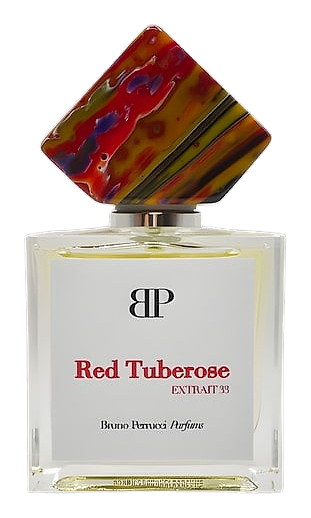
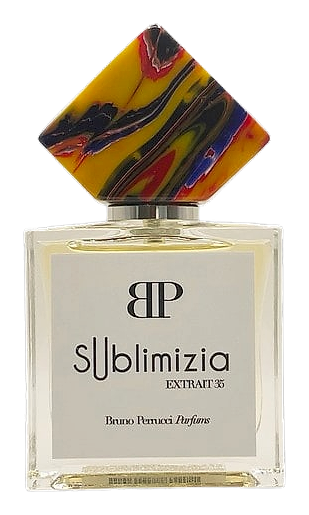
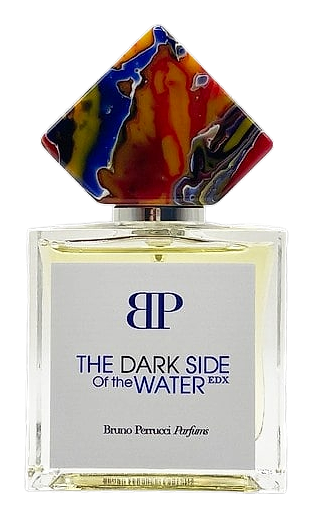
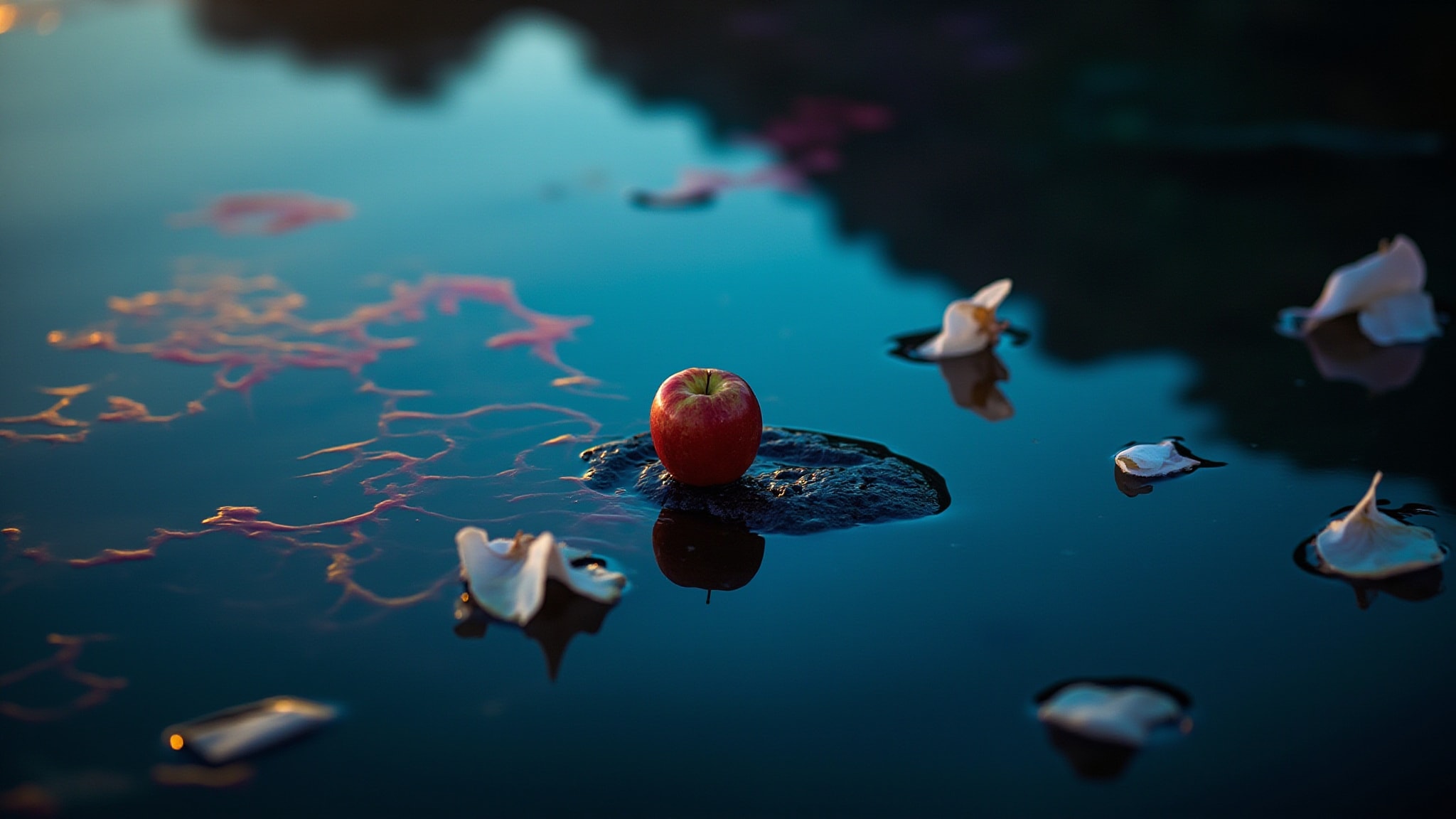
The Dark Side of the Water begins with a question: what happens when nature isn't pristine? Not a disaster, something subtler. A slick on a lake's surface, catching light in a way that forces you to look. Bruno Perrucci built this fragrance around that moment, the intrusion of something industrial into something beautiful, and what emerges when you stay with it instead of turning away.
The petroleum note is the point. Not an accident, not a gimmick, the brand calls it out explicitly as the fragrance's central statement. This is what makes The Dark Side of the Water a study in contrast rather than a pleasant aquatic: that opening oil note refuses to be ignored. Everything that follows, the mandarin blossom, the white flowers, the osmanthus, exists in conversation with that first impression. The florals don't erase the petroleum. They grow around it, like flowers along a polluted shoreline.
The evolution
It opens with weight. Petroleum and bergamot arrive together, not cleanly, the citrus lifts while something denser sits beneath it, like oil sitting on water. For the first twenty minutes this is the show. Then mandarin blossom and white flowers begin to surface, and the composition shifts. What was industrial becomes garden-like. The transition is strange. Beautiful in the way something slightly wrong can become beautiful. The drydown arrives around the two-hour mark: seaweed, wet wood, and a musk that stays close to the skin. The florals don't disappear, they linger in memory even as the aquatic darkness takes over. This is a fragrance that holds. Eight to ten hours on most skin. The petroleum note will still be detectable on fabric the next morning, a stain that won't wash out entirely, like the one that inspired it.
Cultural impact
The Dark Side of the Water occupies a specific space in the niche landscape: the Italian laboratory aesthetic meets an unusual aquatic. the community describes it as an extremely elegant fragrance exploring the relationship between man and nature, not a feel-good summer scent, but something with weight and a point of view. Bruno Perrucci's catalog reads like a notebook of olfactory ideas, and this one is among the more confrontational entries.